
In the digital economy, software is often perceived as merely the programs that run on computers. However, for a Chief Technology Officer, this perspective is fundamentally incomplete. According to a recent report by Statista, the global software market is projected to reach approximately 742 billion U.S. dollars in 2024, underscoring its immense economic weight and pervasive influence. This figure is not merely a sum of licenses; it represents the aggregate investment in capabilities, processes, and innovation that drives every modern enterprise. Understanding software, therefore, goes far beyond its basic operational function; it requires a deep appreciation of its strategic implications, its lifecycle, and its profound impact on an organization’s velocity, scalability, and total cost of ownership.
From a strategic standpoint, software is the embodiment of business logic, operational processes, and user experiences. It is the primary vehicle through which companies interact with customers, optimize internal workflows, and gain competitive advantages. Its definition must encompass not just the compiled binaries, but the entire ecosystem that supports its creation, deployment, and evolution. This includes the source code, databases, configuration files, architectural designs, documentation, and the human capital involved in its development and maintenance. For any business leader, a robust understanding of this comprehensive definition is critical to making informed decisions about technology investments, managing technical debt, and fostering sustainable growth.
Deconstructing ‘Software’: Beyond Executable Code
At its core, the definition of software in computer terms begins with the concept of a set of instructions, data, or programs used to operate computers and execute specific tasks. This fundamental understanding, while accurate, is a significant oversimplification from an executive perspective. For a CTO, software is a multifaceted asset, encompassing far more than just the executable binaries that end-users interact with. It is a complex system built upon layers of interconnected components, each critical to its functionality and long-term viability.
We can categorize the essential components of ‘software’ into several distinct, yet interdependent, layers:
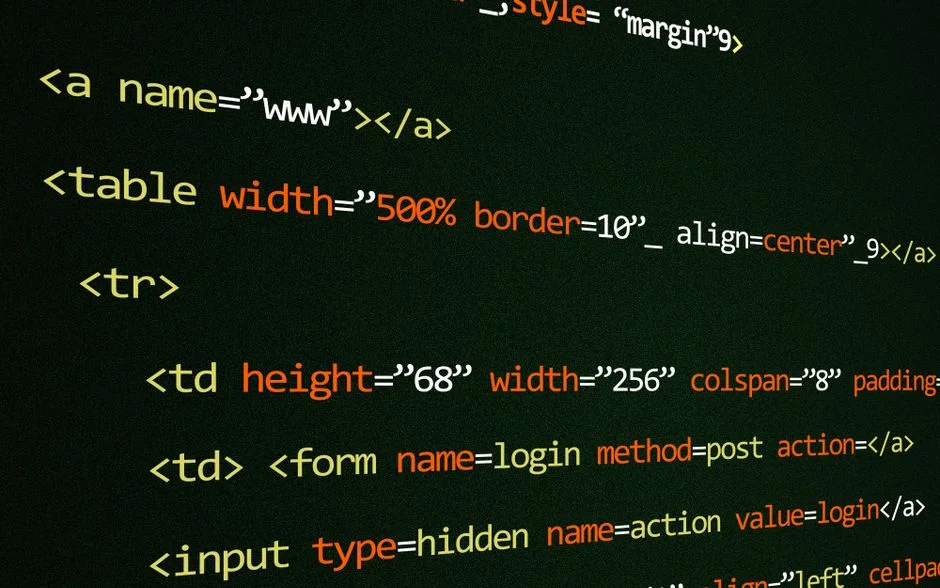
- Source Code: This is the human-readable set of instructions written by developers in programming languages like Python, JavaScript, Java, or PHP. It is the foundational blueprint from which all executable software is derived. The quality, readability, and maintainability of source code directly influence development velocity, the ease of debugging, and the long-term technical debt profile of a system.
- Compiled or Interpreted Programs: These are the machine-executable instructions generated from the source code. For compiled languages, this involves a build process that translates source code into binary files. For interpreted languages, the source code is executed directly by an interpreter. This is what end-users typically perceive as ‘the software.’
- Data Structures and Databases: Software rarely operates in a vacuum. It interacts with and manipulates data. This includes the design of data structures within the application’s memory and the persistent storage mechanisms, such as relational databases (MySQL, PostgreSQL), NoSQL databases (MongoDB, Cassandra), or data lakes. The schema, integrity, and performance of these data layers are integral to the software’s overall utility and efficiency.
- Configuration Files: These files define the operational parameters of the software, such as database connection strings, API keys, environmental variables, and feature flags. Proper management of configurations is crucial for deployment across different environments (development, staging, production) and for enabling dynamic behavior without code changes.
- Documentation: Often underestimated, documentation is a vital part of software. This includes technical specifications, architectural diagrams, API documentation, user manuals, and inline code comments. Comprehensive and up-to-date documentation reduces onboarding time for new engineers, facilitates maintenance, and ensures business continuity when key personnel depart.
- Libraries and Dependencies: Modern software development relies heavily on third-party libraries, frameworks, and APIs. These external components provide pre-built functionalities, accelerating development. However, they also introduce dependencies, which must be carefully managed for security vulnerabilities, licensing compliance, and compatibility issues.
- Deployment Artifacts and Infrastructure-as-Code: The final output of the development process includes not just the application itself, but also the scripts, containers (e.g., Docker images), and infrastructure definitions (e.g., Terraform, AWS CloudFormation) required to deploy and run the software reliably in a production environment. This shift towards Infrastructure-as-Code (IaC) treats infrastructure provisioning and management as a software problem, bringing version control and automation benefits.
From a CTO’s vantage point, understanding software as this holistic ecosystem is paramount. Neglecting any of these components—for instance, allowing documentation to become stale or failing to manage dependencies effectively—does not merely create minor inconveniences; it introduces significant operational risk, increases the total cost of ownership, and impedes the organization’s ability to innovate and respond to market demands. The strategic value of software is intrinsically linked to the health and maturity of all these underlying layers.
The Strategic Imperative of Software for Business Value
Software is no longer merely a support function; it is the central nervous system of any modern enterprise, directly dictating its capacity for innovation, operational efficiency, and market differentiation. For a CTO, understanding the strategic imperative of software means recognizing its direct correlation to business value, revenue generation, and competitive advantage. The software an organization develops and deploys is a tangible manifestation of its strategy, enabling new business models, optimizing existing processes, and delivering superior customer experiences.
Consider the direct impact on various facets of a business:
Operational Efficiency and Automation
Well-designed software automates repetitive tasks, reduces manual errors, and optimizes complex workflows. This translates directly into cost savings, increased throughput, and improved resource utilization. For instance, an ERP system (Enterprise Resource Planning) integrates disparate business functions—finance, HR, supply chain, manufacturing—into a unified platform. This integration eliminates data silos, provides real-time insights, and significantly streamlines operations, reducing the time and effort required for core business processes. The strategic decision to invest in or develop such software is about achieving a step-change in operational efficiency, freeing up human capital for higher-value activities.
Customer Experience and Engagement
In today’s market, customer experience is a primary differentiator. Software, whether it’s a mobile application, a web portal, or a CRM system, is the main interface through which customers interact with a brand. Intuitive, reliable, and performant software directly enhances customer satisfaction, fosters loyalty, and drives repeat business. A poorly designed or buggy application, conversely, can lead to customer churn and reputational damage. The strategic investment here is in cultivating a digital presence that not only meets but exceeds customer expectations, thereby building a loyal customer base and expanding market reach.
Data-Driven Decision Making
Software is the engine that collects, processes, and analyzes vast amounts of data. From transactional records to user behavior analytics, the insights derived from this data are invaluable for strategic decision-making. Business intelligence (BI) dashboards, machine learning models, and predictive analytics tools—all forms of software—empower leaders to identify market trends, forecast demand, optimize pricing strategies, and personalize offerings. The strategic imperative here is to build software capabilities that transform raw data into actionable intelligence, enabling agile and informed business strategies.
Competitive Differentiation and Innovation
Custom software development allows businesses to build unique functionalities that are not available off-the-shelf. This bespoke capability can be a significant source of competitive advantage, enabling the organization to offer specialized services, implement proprietary algorithms, or create entirely new product categories. When an organization invests in strategic software testing services, it ensures that these unique functionalities are not only delivered efficiently but also reliably, maintaining the competitive edge. Furthermore, an agile software development pipeline fosters a culture of continuous innovation, allowing the company to rapidly prototype, test, and deploy new features in response to market shifts or emerging opportunities. This agility is a strategic asset in dynamic industries.
From an executive standpoint, every line of code written, every feature developed, and every architectural decision made must be viewed through the lens of its contribution to these strategic objectives. Software is not merely a cost center; it is an investment in the future capabilities and sustained growth of the enterprise.
The Software Development Lifecycle (SDLC) as a Business Process
Understanding the definition of software also necessitates comprehending the structured process by which it is conceived, created, and sustained: the Software Development Lifecycle (SDLC). From a CTO’s perspective, the SDLC is not merely a technical workflow but a critical business process that governs the efficiency, predictability, and quality of software delivery. A well-defined and rigorously executed SDLC directly impacts project timelines, resource allocation, risk management, and ultimately, the total cost of ownership (TCO) of software assets.
The SDLC typically comprises several distinct phases, each with specific objectives and deliverables:
1. Planning and Requirements Analysis
This initial phase is arguably the most critical. It involves defining the business problem or opportunity, gathering detailed functional and non-functional requirements from stakeholders, and assessing feasibility. From a business standpoint, this phase ensures that the software being built aligns with strategic goals and addresses genuine market needs. Poorly defined requirements are a leading cause of project failure, scope creep, and budget overruns. Rigorous analysis here mitigates downstream rework and ensures that the final product delivers anticipated business value.
2. Design and Architecture
Once requirements are clear, the design phase translates them into a technical blueprint. This includes defining the software architecture, database schema, user interface (UI/UX), and system integrations. Architectural decisions made at this stage have profound long-term implications for scalability, performance, security, and maintainability. A robust, extensible architecture reduces future technical debt and facilitates easier evolution of the system. Conversely, a rushed or poorly conceived design can lead to brittle systems that are expensive to modify and scale.
3. Implementation (Coding)
This is where developers write the actual source code according to the design specifications. While often seen as the core of software development, it is most effective when preceded by thorough planning and design. Adherence to coding standards, use of version control, and regular code reviews are essential practices that contribute to code quality and team velocity. Effective implementation minimizes defects and ensures the software behaves as intended.
4. Testing and Quality Assurance
In this phase, the software is rigorously tested to identify and rectify defects, ensuring it meets all specified requirements and performs reliably. This includes unit testing, integration testing, system testing, user acceptance testing (UAT), and performance testing. For a CTO, investing in comprehensive testing is not a luxury but a necessity to prevent costly production issues, maintain brand reputation, and ensure user satisfaction. This phase is crucial for validating the software’s fitness for purpose before deployment. Our approach to strategic software testing services emphasizes early detection and prevention, which drastically reduces the cost of defect remediation.
5. Deployment
Deployment involves releasing the software into a production environment, making it available to end-users. This phase requires careful planning, automation (e.g., CI/CD pipelines), and rollback strategies to minimize downtime and ensure a smooth transition. Effective deployment processes are critical for business continuity and for realizing the value of the developed software quickly and reliably.
6. Maintenance and Evolution
Software is rarely a ‘fire and forget’ asset. Post-deployment, it requires ongoing maintenance, including bug fixes, security updates, performance optimizations, and feature enhancements. This phase often accounts for a significant portion of the software’s TCO. A well-designed SDLC incorporates feedback loops from operations and users back into the planning phase, ensuring continuous improvement and adaptation to changing business needs. Neglecting maintenance inevitably leads to accumulating technical debt, which can cripple an organization’s ability to innovate and respond to market changes.
By treating the SDLC as a strategic business process, a CTO can establish clear metrics, allocate resources effectively, and ensure that software development consistently delivers tangible value, rather than merely consuming resources.
Categorizing Software: System, Application, and Custom Solutions
To fully grasp the definition of software, it is essential to understand its various categories, each serving distinct purposes and presenting different strategic considerations for an organization. From a CTO’s perspective, differentiating between these types is crucial for making informed decisions regarding acquisition, development, integration, and resource allocation. These categories are not mutually exclusive, but rather represent a spectrum of functionalities that collectively drive business operations and innovation.
System Software
System software forms the foundational layer upon which all other software operates. It manages and controls the computer hardware and provides a platform for application software to run. Key examples include:
- Operating Systems (OS): Windows, macOS, Linux, Android, iOS. These manage hardware resources, provide user interfaces, and orchestrate the execution of other programs. Without an OS, a computer is essentially a brick.
- Device Drivers: Software that enables the operating system to communicate with hardware devices (printers, graphics cards, network adapters).
- Utilities: Programs designed to help analyze, configure, optimize, or maintain a computer, such as antivirus software, disk defragmenters, and backup tools.
For a CTO, system software decisions are primarily about infrastructure reliability, security, and compatibility. While often acquired off-the-shelf, the choice of operating systems and underlying infrastructure impacts everything from developer toolchains to deployment environments and cybersecurity posture. Managing and updating system software is a critical operational task to ensure stability and mitigate vulnerabilities.
Application Software
Application software, often simply called ‘apps,’ is designed to perform specific tasks for the end-user. This is the software that most people directly interact with daily. Examples include word processors, spreadsheets, web browsers, email clients, enterprise resource planning (ERP) systems, customer relationship management (CRM) systems, and specialized industry applications.
From a business perspective, application software directly supports operational activities and delivers user-facing functionality. CTOs evaluate application software based on its ability to:
- Improve Productivity: Tools that streamline individual or team workflows.
- Enhance Customer Experience: Applications that facilitate interaction with customers or provide services.
- Support Business Processes: Software tailored to specific functions like accounting, sales, or manufacturing.
The decision to purchase off-the-shelf application software versus building custom solutions involves a careful analysis of features, integration capabilities, vendor lock-in, and total cost of ownership. Off-the-shelf solutions offer rapid deployment and lower initial costs, but often come with compromises in customization and flexibility.
Custom Software Solutions
Custom software is purpose-built to meet the unique requirements of a specific organization or business process. Unlike off-the-shelf applications, custom software is developed from the ground up to address precise challenges or opportunities that generic solutions cannot adequately cover. This is where strategic differentiation often lies.
Key characteristics and strategic implications for CTOs include:
- Tailored Functionality: Exact alignment with unique business logic and workflows, leading to higher efficiency and competitive advantage.
- Scalability and Integration: Designed with specific future growth and existing system integrations in mind, reducing friction and technical debt.
- Intellectual Property: The organization owns the source code and intellectual property, providing greater control and long-term value.
- Higher Upfront Investment: Custom development typically requires a larger initial investment in time and resources compared to purchasing ready-made solutions.
- Long-term Maintainability: Requires an ongoing commitment to maintenance, updates, and evolution, which can be managed by internal teams or outsourced partners.
The strategic decision to pursue custom software development is often driven by a need for unique features, integration with legacy systems, compliance requirements, or the desire to create a proprietary competitive edge. While the initial investment might be higher, the long-term benefits in terms of operational fit, flexibility, and sustained competitive advantage often outweigh the costs. For instance, an organization might adopt Notion as an engineering operating system to manage custom software projects, leveraging its flexibility to adapt to unique team workflows and documentation needs.
A CTO’s challenge is to judiciously balance these categories, leveraging commercial off-the-shelf (COTS) solutions where appropriate for commodity functions, and strategically investing in custom software where differentiation and core business value are paramount.
Software Architecture: The Foundation of Scalability and TCO
The definition of software is incomplete without a deep understanding of its architecture. Software architecture refers to the high-level structure of a software system, the discipline of creating such structures, and the documentation of these structures. For a CTO, architectural decisions are perhaps the most impactful long-term choices, directly influencing a system’s scalability, performance, reliability, security, and crucially, its Total Cost of Ownership (TCO). A well-conceived architecture is the bedrock of a successful, evolving software product, while a flawed one can lead to insurmountable technical debt and operational bottlenecks.
Key architectural considerations include:
Modularity and Decoupling
Modern architectures prioritize modularity, breaking down complex systems into smaller, independent, and manageable components. This can manifest in various patterns:
- Monolithic Architecture: A traditional approach where all components of an application are tightly coupled and run as a single service. While simpler to develop initially for smaller applications, monoliths can become difficult to scale, maintain, and deploy as they grow.
- Microservices Architecture: An architectural style that structures an application as a collection of loosely coupled, independently deployable services. Each service typically focuses on a single business capability and communicates with others via well-defined APIs. This approach enhances scalability, fault isolation, and allows different teams to work on services independently, increasing development velocity. However, it introduces complexity in deployment, monitoring, and distributed data management.
- Serverless Architecture: An execution model where the cloud provider dynamically manages the allocation and provisioning of servers. Developers write and deploy code in functions (e.g., AWS Lambda, Azure Functions) without managing the underlying infrastructure. This offers extreme scalability and a pay-per-execution cost model but requires careful design for state management and can introduce vendor lock-in.
The choice between these paradigms is a strategic one, balancing initial development complexity against future scalability needs and operational overhead. A CTO must assess the business domain, team capabilities, and projected growth to select the most appropriate architectural style.
Data Architecture and Management
How data is stored, accessed, and managed is integral to software architecture. This involves selecting appropriate database technologies (relational, NoSQL, graph), designing schemas, implementing data access layers, and ensuring data consistency and integrity across distributed systems. Decisions around data partitioning, replication, and caching directly impact performance and scalability. In a microservices context, each service might manage its own database, requiring robust strategies for data synchronization and eventual consistency.
API Design and Integration
Software rarely exists in isolation. It needs to integrate with other internal systems, third-party services, and external partners. A well-defined API (Application Programming Interface) strategy is paramount. RESTful APIs, GraphQL, and message queues are common patterns for inter-service communication and external integration. Thoughtful API design ensures interoperability, security, and maintainability, reducing the friction and cost associated with expanding the software’s ecosystem.
Observability and Monitoring
An often-overlooked aspect of architecture is the inclusion of robust monitoring, logging, and tracing capabilities from the outset. Without adequate observability, diagnosing issues in complex, distributed systems becomes a monumental task, leading to extended downtime and increased operational costs. Strategic architectural planning includes embedding mechanisms for gathering metrics, centralizing logs, and providing end-to-end tracing to understand system behavior and performance in real-time.
Security Architecture
Security must be designed into the software from the ground up, not bolted on as an afterthought. This involves architectural decisions around authentication, authorization, data encryption (at rest and in transit), secure API gateways, and threat modeling. A CTO must ensure that the chosen architecture supports a strong security posture, adhering to industry best practices and regulatory compliance requirements. Failing to embed security architecturally can lead to catastrophic data breaches and reputational damage.
Ultimately, software architecture is the long-term investment that dictates how agile, resilient, and cost-effective a software system will be over its lifetime. It is a critical component in the comprehensive definition of software and a primary lever for a CTO to manage both technical risk and business opportunity.
Technical Debt: A Business Liability Embedded in Software
Within the holistic definition of software, the concept of technical debt stands as a critical, often underestimated, business liability. Coined by Ward Cunningham, technical debt refers to the implied cost of additional rework caused by choosing an easy solution now instead of using a better approach that would take longer. Just like financial debt, technical debt accrues interest, making future development slower and more expensive. For a CTO, managing technical debt is not just a technical concern; it’s a strategic imperative that directly impacts team velocity, product quality, and the organization’s long-term ability to innovate.
What Constitutes Technical Debt?
Technical debt manifests in various forms:
- Suboptimal Architecture: Designs that were expedient for initial delivery but do not scale well or are difficult to extend.
- Poor Code Quality: Unreadable, unmaintainable, or undocumented code that makes future modifications risky and time-consuming.
- Lack of Automated Tests: Manual testing processes are slow and prone to human error, increasing the risk of regressions and slowing down release cycles.
- Outdated Technologies: Using deprecated libraries, frameworks, or infrastructure that are no longer supported, posing security risks and compatibility challenges.
- Insufficient Documentation: Leading to knowledge silos and increased ramp-up time for new team members.
- Unmanaged Dependencies: Relying on unpatched or insecure third-party libraries.
- Incomplete Refactoring: Leaving behind legacy code because there wasn’t time to properly modernize it.
The Business Impact of Technical Debt
The accumulation of technical debt has tangible, detrimental effects on business outcomes:
- Reduced Development Velocity: Engineers spend more time navigating complex, brittle codebases, fixing bugs, and working around architectural limitations, rather than building new features. This directly impacts the speed at which new products can be brought to market or existing ones enhanced.
- Increased Operational Costs: Legacy systems with high technical debt are often difficult to monitor, troubleshoot, and maintain, leading to higher operational expenses and increased downtime.
- Higher Employee Turnover: Developers are often frustrated by working on technically indebted systems, leading to decreased morale and higher attrition rates among skilled engineers.
- Impaired Scalability: Architectures burdened with technical debt struggle to handle increased user loads or data volumes without significant, costly re-engineering efforts.
- Security Vulnerabilities: Outdated components or poorly secured code can expose the organization to significant cybersecurity risks, leading to data breaches and regulatory fines.
- Hindered Innovation: The resources consumed by managing technical debt divert investment away from strategic initiatives and new product development, stifling innovation.
Strategic Management of Technical Debt
A CTO’s role involves proactively identifying, quantifying, and strategically managing technical debt. This is not about eliminating all debt, which is often impossible and sometimes even strategic (e.g., a planned prototype), but about making informed decisions about which debt to incur and when to pay it down. Strategies include:
- Regular Audits and Assessments: Periodically reviewing the codebase and architecture to identify areas of significant technical debt.
- Dedicated Refactoring Sprints: Allocating specific time and resources within development cycles to address and reduce technical debt.
- Automated Testing and CI/CD: Investing in robust test suites and continuous integration/continuous delivery pipelines helps catch issues early and ensures that new code doesn’t inadvertently increase debt.
- Strict Coding Standards and Code Reviews: Enforcing quality gates to prevent new debt from being introduced.
- Prioritization: Treating technical debt as a first-class citizen in product backlogs, alongside new feature development, and prioritizing its resolution based on business impact and risk.
By treating technical debt as a financial liability, CTOs can communicate its impact to non-technical stakeholders and secure the necessary resources to manage it effectively, ensuring the long-term health and agility of the software portfolio.
The Role of Quality Assurance in Software Value
In the comprehensive definition of software, Quality Assurance (QA) is not merely a final step before deployment but an integral, continuous process that underpins the software’s value proposition, reliability, and long-term success. For a CTO, a robust QA strategy is directly linked to customer satisfaction, brand reputation, and the overall total cost of ownership. Neglecting QA can lead to catastrophic production failures, security breaches, and a significant erosion of user trust, all of which have profound business implications.
Beyond Bug Detection: The Broader Scope of QA
While finding and fixing bugs is a core function, modern QA extends far beyond simple defect detection. It encompasses a holistic approach to ensuring that the software meets all specified requirements, performs as expected under various conditions, is secure, usable, and maintainable. This broader scope includes:
- Requirements Validation: Ensuring that the initial requirements are clear, unambiguous, testable, and align with business objectives.
- Test Strategy and Planning: Developing comprehensive test plans that cover functional, non-functional (performance, security, usability), and integration aspects.
- Test Automation: Implementing automated test suites (unit, integration, end-to-end) to enable rapid feedback, reduce manual effort, and ensure consistent quality across frequent releases.
- Performance Testing: Stress testing, load testing, and scalability testing to ensure the software performs optimally under expected and peak user loads.
- Security Testing: Identifying vulnerabilities through penetration testing, static/dynamic analysis, and adherence to secure coding practices.
- Usability Testing: Evaluating the user experience (UX) to ensure the software is intuitive, efficient, and enjoyable to use.
- Continuous Integration/Continuous Delivery (CI/CD) Integration: Embedding QA activities directly into the development pipeline to enable continuous testing and rapid, reliable deployments.
Impact on Business Metrics and TCO
The strategic investment in QA yields significant returns:
- Reduced Cost of Defects: Defects discovered earlier in the SDLC are exponentially cheaper to fix than those found in production. A mature QA process shifts testing left, catching issues during development or staging, preventing costly rework, emergency patches, and potential revenue loss from downtime.
- Enhanced Customer Satisfaction and Retention: High-quality, reliable software leads to positive user experiences, fostering loyalty and reducing churn. Conversely, buggy software can quickly alienate users and damage brand reputation.
- Improved Brand Reputation: A reputation for delivering high-quality, stable software is a significant competitive advantage. It builds trust and positions the organization as a reliable technology provider.
- Faster Time to Market: While it might seem counterintuitive, robust QA, especially through automation, enables faster release cycles with confidence. Developers can iterate quickly, knowing that comprehensive tests will catch regressions, accelerating the delivery of new features and products.
- Reduced Operational Risk: Thorough testing minimizes the likelihood of critical failures, data corruption, or security breaches in production, safeguarding business continuity.
- Lower Maintenance Costs: High-quality code with fewer defects requires less post-release firefighting, reducing the long-term maintenance burden and TCO.
For a CTO, QA is not a bottleneck but an enabler of velocity and a guardian of value. It’s about building quality in from the start, rather than inspecting it in at the end. An organization that prioritizes strategic software testing services ensures that quality is an intrinsic characteristic of its software, directly contributing to its overall business success.
Software Maintenance and Evolution: Beyond Initial Deployment
A common misconception within the broader definition of software is that its lifecycle effectively concludes upon initial deployment. From a CTO’s strategic perspective, this is a dangerous fallacy. Software is a living asset that requires continuous maintenance and evolution long after its initial release. This ongoing commitment is not merely about fixing bugs; it encompasses adapting to changing environments, enhancing functionality, improving performance, and ensuring long-term security. Neglecting this phase can rapidly transform a valuable asset into a costly liability, significantly increasing technical debt and eroding business value.
Types of Software Maintenance
Software maintenance can be categorized into several key types, each with distinct strategic implications:
- Corrective Maintenance: This involves fixing defects or bugs discovered after deployment. While proactive QA aims to minimize these, some issues inevitably arise in production. Prompt and efficient corrective maintenance is crucial for minimizing downtime, maintaining user trust, and preventing data loss.
- Adaptive Maintenance: This type of maintenance addresses changes in the software’s environment. This includes updating the software to be compatible with new operating systems, hardware platforms, third-party APIs, or regulatory requirements. Failure to perform adaptive maintenance can lead to system obsolescence or compliance issues.
- Perfective Maintenance: Focused on improving existing functionalities, enhancing performance, or refining the user experience. This isn’t about fixing errors but about making the software better, faster, or more intuitive. Examples include optimizing algorithms, refactoring code for better maintainability, or improving UI responsiveness.
- Preventive Maintenance: Proactive measures taken to prevent future problems. This includes refactoring code to improve its structure, updating libraries to address known vulnerabilities, or improving documentation. Preventive maintenance is a strategic investment that reduces the likelihood of costly corrective maintenance down the line and helps manage technical debt.
Strategic Considerations for CTOs
For a CTO, managing software maintenance and evolution involves several strategic considerations:
- Resource Allocation: A significant portion of an engineering budget must be allocated to maintenance activities. Over-prioritizing new feature development at the expense of maintenance invariably leads to accumulating technical debt and a slower development pace in the long run.
- Lifecycle Planning: Software assets must be viewed with a long-term perspective. This involves planning for upgrades, potential re-platforming, and eventual deprecation or replacement. End-of-life planning is as important as initial development planning.
- Security Patching and Updates: Staying current with security patches for all software components, including operating systems, frameworks, and third-party libraries, is non-negotiable. Proactive vulnerability management is critical to protecting sensitive data and maintaining compliance.
- Performance Optimization: As user bases grow and data volumes increase, ongoing performance monitoring and optimization are essential. This might involve database tuning, caching strategies, or architectural adjustments to ensure the software remains responsive and scalable.
- Feedback Loops: Establishing robust feedback mechanisms from users and operational teams back into the development process is crucial for identifying areas for improvement and ensuring the software continues to meet evolving business needs.
- Documentation Updates: As software evolves, its documentation (technical specifications, API docs, user manuals) must be continuously updated to reflect the current state. Outdated documentation becomes a source of technical debt and inefficiency.
By strategically managing software maintenance and evolution, a CTO ensures that the organization’s software assets remain valuable, secure, and performant over their entire operational lifespan, directly contributing to sustained business success and reduced total cost of ownership.
The Future of Software: AI, Cloud, and Strategic Implications
The definition of software is not static; it is constantly evolving, driven by relentless technological advancements. For a CTO, understanding these emerging trends—particularly the pervasive influence of Artificial Intelligence (AI) and the ubiquitous adoption of cloud computing—is paramount for strategic planning and maintaining a competitive edge. These technologies are not merely features; they are foundational shifts that redefine how software is built, deployed, and delivers value, presenting both immense opportunities and significant challenges.
Artificial Intelligence (AI) as a Core Software Component
AI, encompassing machine learning (ML), natural language processing (NLP), and computer vision, is rapidly transitioning from a specialized domain to an embedded component within virtually all new software initiatives. Its strategic implications are profound:
- Enhanced Automation and Optimization: AI algorithms can automate complex decision-making processes, optimize resource allocation, and personalize user experiences at a scale and speed impossible for humans. This leads to new levels of operational efficiency and customer engagement.
- Predictive Capabilities: Software infused with AI can analyze historical data to predict future trends, identify potential risks, and recommend proactive actions. This empowers businesses with foresight, enabling more agile and informed strategic decisions.
- New Product Capabilities: AI enables entirely new product categories and services, from intelligent virtual assistants and recommendation engines to autonomous systems and advanced analytics platforms.
- Data-Driven Development: AI models are inherently data-intensive. This necessitates robust data pipelines, data governance strategies, and secure data storage solutions as integral parts of the software architecture.
For a CTO, the strategic challenge is not just to adopt AI, but to integrate it intelligently and ethically into the software stack. This requires investing in data science capabilities, building scalable AI infrastructure, and addressing the ethical implications of AI deployment, such as bias and transparency.
Cloud Computing: The Default Deployment Model
Cloud computing has revolutionized software deployment and infrastructure management. Rather than owning and maintaining physical servers, organizations leverage third-party cloud providers (AWS, Azure, Google Cloud) for computing power, storage, databases, and a vast array of managed services. Its strategic implications for software development are extensive:
- Elastic Scalability: Cloud platforms offer on-demand scalability, allowing software to dynamically adjust resources based on demand. This eliminates the need for expensive over-provisioning and ensures optimal performance during peak loads.
- Reduced Operational Overhead: Managed services (e.g., managed databases, serverless functions) offload infrastructure management tasks, allowing engineering teams to focus more on core business logic and innovation.
- Global Reach and Resilience: Cloud providers offer global infrastructure, enabling software to be deployed closer to users for lower latency and built with high availability and disaster recovery capabilities across multiple regions.
- Cost Optimization: While not always cheaper, cloud computing shifts capital expenditure (CapEx) to operational expenditure (OpEx) and allows for fine-grained cost management, often leading to significant savings when properly optimized.
- Accelerated Innovation: Cloud platforms provide a rich ecosystem of services (AI/ML, IoT, analytics, security) that can be easily integrated, accelerating the development and deployment of complex software solutions.
The strategic challenge for a CTO lies in optimizing cloud spend, mitigating vendor lock-in, ensuring cloud security, and training teams in cloud-native development practices. The future of software is inextricably linked to the cloud, making cloud architecture and operations a core competency.
The Convergence: AI in the Cloud
The true strategic power lies in the convergence of AI and cloud computing. Cloud platforms provide the scalable infrastructure and specialized services (GPUs, TPUs, managed ML platforms) necessary to train and deploy complex AI models efficiently. This synergy accelerates the adoption of intelligent software across industries, pushing the boundaries of what software can achieve. For a CTO, navigating this evolving landscape requires continuous learning, strategic investment in talent, and a forward-looking architectural vision to harness these transformative technologies for sustained business growth.
Measuring Software Success: Beyond Feature Delivery
In the comprehensive definition of software, its true value is not solely measured by the number of features delivered or lines of code written. For a CTO, measuring software success requires a strategic lens that extends beyond mere output to encompass tangible business outcomes and long-term sustainability. This involves establishing key performance indicators (KPIs) that reflect operational efficiency, user satisfaction, financial impact, and the overall health of the software system. Without such a holistic measurement framework, an organization risks building software that technically works but fails to deliver strategic value.
Key Metrics for Strategic Software Evaluation
To effectively gauge software success, CTOs should focus on a balanced scorecard of metrics:
1. Operational Efficiency Metrics:
- System Uptime and Availability: Percentage of time the system is operational and accessible. Directly impacts business continuity and revenue.
- Mean Time To Recovery (MTTR): The average time it takes to restore a system after a failure. A lower MTTR indicates more resilient software and efficient incident response.
- Performance Metrics: Response times (e.g., p99 latency), throughput (requests per second), and resource utilization (CPU, memory). Directly affects user experience and scalability.
- Error Rates: Frequency of critical errors or exceptions in production. High error rates indicate instability and potential technical debt.
2. User Experience and Adoption Metrics:
- User Engagement: Active users, session duration, frequency of use. Indicates how valuable users find the software.
- Feature Adoption: Percentage of users utilizing specific features. Helps prioritize future development and identify underutilized capabilities.
- Customer Satisfaction (CSAT/NPS): Surveys or scores reflecting user happiness. Directly links software quality to brand perception.
- Conversion Rates: For commercial software, this measures how effectively the software drives desired user actions (e.g., purchases, sign-ups).
3. Financial and Business Impact Metrics:
- Return on Investment (ROI): Quantifying the financial benefits (e.g., revenue generation, cost savings) relative to the investment in software development and maintenance.
- Total Cost of Ownership (TCO): The full cost of owning and operating the software over its lifespan, including development, deployment, maintenance, support, and infrastructure. Lower TCO for sustained value.
- Time to Market for New Features: The speed at which new functionalities can be delivered. Reflects development velocity and organizational agility.
- Technical Debt Indicators: Metrics like code complexity, number of open bugs, or security vulnerabilities. While not directly financial, these have clear financial implications down the line.
4. Development Process Health Metrics:
- Deployment Frequency: How often new code is deployed to production. Higher frequency often indicates a mature CI/CD pipeline and reduced risk per deployment.
- Lead Time for Changes: The time from code commit to deployment. A shorter lead time indicates greater agility.
- Change Failure Rate: Percentage of deployments that result in a production incident. Lower rates indicate higher quality and reliability.
- Developer Productivity/Velocity: While tricky to quantify, qualitative assessments of team morale, satisfaction, and perceived efficiency are important.
For a CTO, the challenge is to move beyond vanity metrics and focus on those that genuinely reflect business value. This often involves integrating data from various sources—application performance monitoring (APM) tools, analytics platforms, customer support systems, and financial reports—to create a comprehensive dashboard. By continuously monitoring these KPIs, a CTO can make data-driven decisions, prioritize investments, and ensure that software development efforts are consistently aligned with strategic business objectives, fostering a culture of continuous improvement and measurable impact.
Building an Effective Software Engineering Culture
The definition of software, from a strategic CTO’s viewpoint, extends beyond code and architecture to the very culture that creates and sustains it. An effective software engineering culture is the ultimate differentiator, directly impacting team velocity, product quality, innovation capacity, and the ability to attract and retain top talent. It is the organizational operating system that enables consistent delivery of high-value software, and its cultivation is a primary strategic responsibility for any technology leader.
Key Pillars of a High-Performing Engineering Culture
Several foundational elements define a robust software engineering culture:
1. Ownership and Accountability:
Engineers should feel a strong sense of ownership over the features and systems they build, from conception through deployment and ongoing operations. This includes responsibility for quality, performance, and incident response. Empowering teams to make decisions and hold them accountable for outcomes fosters a sense of pride and commitment. This contrasts with a ‘throw it over the wall’ mentality where development, QA, and operations are siloed.
2. Continuous Learning and Improvement:
The technology landscape evolves rapidly. A strong engineering culture prioritizes continuous learning, encouraging engineers to explore new technologies, attend conferences, and dedicate time to professional development. This keeps the team’s skills sharp, prevents technological stagnation, and fosters innovation. Retrospectives and post-mortems after incidents or project completions are critical mechanisms for identifying areas for process and technical improvement.
3. Collaboration and Communication:
Software development is a team sport. An effective culture promotes open communication, knowledge sharing, and cross-functional collaboration. This means breaking down silos between development, QA, product, and operations teams. Tools that facilitate collaboration, such as shared documentation platforms (e.g., leveraging Notion as an engineering operating system), and regular sync-ups are vital. Code reviews, pair programming, and mob programming are also excellent ways to share knowledge and improve code quality collaboratively.
4. Quality as a Shared Responsibility:
Quality is not solely the domain of a QA team; it is a collective responsibility embedded throughout the entire SDLC. This means developers write tests, architects design for reliability, and product managers prioritize quality alongside features. A culture that values quality proactively reduces technical debt and ensures a more stable, performant product, ultimately reducing TCO.
5. Psychological Safety and Experimentation:
An environment where engineers feel safe to take calculated risks, experiment with new ideas, and admit mistakes without fear of blame is crucial for innovation. This psychological safety encourages creativity, problem-solving, and continuous learning from failures. It’s about fostering a blameless culture that focuses on systemic improvements rather than individual fault.
6. Automation First:
A culture that embraces automation for repetitive tasks—testing, deployment, infrastructure provisioning, monitoring—frees engineers to focus on higher-value, creative problem-solving. This not only increases velocity but also reduces human error and improves consistency.
7. Data-Driven Decision Making:
Encouraging engineers to use data (e.g., performance metrics, error logs, user analytics) to inform their design, development, and operational decisions leads to more effective and impactful software. This moves discussions from subjective opinions to objective evidence.
For a CTO, consciously shaping and nurturing this engineering culture is a long-term strategic investment. It requires leading by example, providing the necessary resources, and continuously reinforcing the values that drive excellence in software delivery. A strong culture transforms a collection of individuals into a high-performing team capable of tackling complex challenges and consistently delivering exceptional software value.
The CTO’s Mandate: From Code to Strategic Leadership
Ultimately, the comprehensive definition of software, viewed through the lens of a Chief Technology Officer, transcends its technical components to encompass its strategic impact, lifecycle management, and the organizational culture that brings it to life. The CTO’s mandate is no longer confined to merely overseeing technical execution; it is about orchestrating technology as a primary driver of business growth, competitive advantage, and long-term sustainability. This requires a shift from a purely technical focus to one that integrates deep technical understanding with astute business acumen and strategic leadership.
Bridging Technology and Business Strategy
A modern CTO serves as the crucial bridge between technology and overarching business strategy. This involves:
- Translating Business Needs into Technical Roadmaps: Understanding market trends, customer demands, and executive vision, then articulating how technology investments and software development initiatives can fulfill these objectives.
- Managing Technology as a Portfolio: Viewing software assets, infrastructure, and engineering talent as a strategic portfolio that requires continuous optimization, risk management, and investment prioritization to maximize ROI and minimize TCO.
- Forecasting and Adapting to Technological Shifts: Staying ahead of emerging technologies like AI, blockchain, quantum computing, and evaluating their potential impact and applicability to the business, ensuring the organization remains innovative and competitive.
- Risk Management: Proactively identifying and mitigating technical risks, including cybersecurity threats, architectural vulnerabilities, and the accumulation of technical debt, which can derail business objectives.
Cultivating a Culture of Excellence
Beyond the technical and strategic, a CTO is a culture builder. This involves:
- Talent Acquisition and Development: Attracting, retaining, and developing a world-class engineering team. This includes fostering a learning environment, promoting mentorship, and ensuring career growth opportunities.
- Operationalizing Best Practices: Implementing and championing processes like agile methodologies, DevOps, continuous integration/continuous delivery (CI/CD), and rigorous quality assurance, not as rigid rules but as enablers of efficiency and quality.
- Advocating for Technical Health: Ensuring that the importance of architectural integrity, code quality, and technical debt management is understood and prioritized at all levels of the organization, including with non-technical stakeholders.
The Evolving Role
The definition of software continues to expand, integrating more deeply into every facet of business operations and customer interaction. Consequently, the CTO’s role has evolved into that of a strategic partner in the C-suite, responsible for leveraging software as a core strategic asset. This means making informed decisions that balance immediate feature delivery with long-term architectural soundness, managing the inherent trade-offs between speed and quality, and ensuring that every line of code contributes measurably to the organization’s mission and financial health.
The successful CTO understands that software is not just a product; it is the engine of the modern enterprise, and its strategic stewardship is paramount to sustained success.
From foundational code to strategic business driver, the definition of software in computer terms is far more intricate and impactful than often perceived. For a CTO, it represents the very nervous system of a modern enterprise—a complex, living asset that demands meticulous architectural planning, disciplined development, continuous quality assurance, and proactive maintenance. Its strategic value is measured not just in functionality, but in its contribution to operational efficiency, customer satisfaction, reduced total cost of ownership, and the organization’s capacity for sustained innovation.
Understanding software as a holistic ecosystem, encompassing everything from source code to engineering culture, is critical for making informed technology investments and mitigating inherent risks like technical debt. By embracing this comprehensive perspective, technology leaders can ensure that software serves as a powerful engine for growth and competitive advantage.
Explore our complete Software Development — Outsourcing directory for more guides.
Is your existing software infrastructure truly optimized for performance, scalability, and long-term value? Our team offers comprehensive code and architecture audits designed to identify bottlenecks, reduce technical debt, and align your technology stack with your strategic business objectives. Contact us today to schedule a consultation and unlock the full potential of your software assets.
NR Studio builds custom web apps, mobile apps, SaaS platforms, and internal tools for growing businesses. If you’re working through a technical decision, feel free to reach out — no commitment required.