
Inventory management has transitioned from a static bookkeeping necessity to a dynamic, high-stakes engineering challenge. For years, organizations relied on heuristic-based reorder points and basic demand forecasting models that assumed linear growth. However, modern supply chain volatility has exposed the fragility of these legacy approaches. Today, CTOs and technical leaders are pivoting toward AI-powered inventory optimization to replace brittle, rule-based systems with probabilistic models that account for non-linear variables, seasonal anomalies, and external market disruptions.
This shift toward machine learning-driven logistics is not merely a trend; it is a structural response to the increasing complexity of global distribution networks. By leveraging deep learning architectures and real-time data ingestion, companies can now move beyond simple safety stock calculations. This article examines the technical architecture, operational advantages, and long-term scalability benefits of integrating AI into inventory workflows, providing a blueprint for technical leaders tasked with modernizing their supply chain infrastructure.
Transitioning from Heuristics to Probabilistic Forecasting
Legacy inventory systems typically operate on deterministic logic, such as Economic Order Quantity (EOQ) or fixed reorder points. While these models are computationally inexpensive, they fail to address the high variance found in modern retail and manufacturing sectors. Probabilistic forecasting, which sits at the heart of AI-driven optimization, calculates a distribution of potential future demand rather than a single point estimate. By utilizing time-series analysis and recurrent neural networks, these systems can generate confidence intervals that allow for more sophisticated risk management.
When engineers build these systems, the primary objective is to minimize both stockouts and overstock scenarios. A standard implementation involves feeding historical sales data, promotional calendars, and lead time variations into a model trained to identify latent patterns. Unlike traditional moving averages, which react slowly to sudden changes, AI models can detect trend shifts in near real-time. This capability is critical for businesses that operate in fast-moving industries where a two-week delay in adjusting order volume can result in significant capital loss. Furthermore, the integration of predictive AI for supply chain accuracy allows technical teams to automate the adjustment of parameters, effectively reducing the manual overhead required to maintain high forecast accuracy.
From a technical standpoint, the shift requires moving data pipelines from batch processing to streaming architectures. By implementing event-driven ingestion, the system can recalibrate forecasts whenever a significant data point—such as a sudden surge in traffic or a supply chain blockage—is detected. This approach effectively treats inventory levels as a dynamic control problem rather than a static accounting task, significantly improving the overall resilience of the business infrastructure against unpredictable market forces.
Architecting for Real-Time Inventory Visibility
Real-time visibility is the cornerstone of effective inventory management. In a distributed system, maintaining a single source of truth across multiple warehouses, retail outlets, and e-commerce platforms is a non-trivial engineering challenge. AI models enhance this visibility by processing unstructured data from disparate sources, such as shipping manifests, social media sentiment, and weather patterns, to provide a holistic view of the supply chain state. By embedding these inputs into a unified data model, organizations can predict potential bottlenecks before they manifest into actual stockouts.
To achieve this, many organizations are adopting Retrieval Augmented Generation (RAG) patterns to query their internal inventory databases alongside external market intelligence. This allows stakeholders to ask natural language questions about the state of their stock, such as ‘What is the risk level for SKU-123 over the next 14 days given current transit delays?’ The system interprets these queries, retrieves relevant data from a vector database, and synthesizes an answer using a Large Language Model. This interaction pattern is not just for user convenience; it serves as a powerful interface for internal teams to understand the logic behind automated decisions, which is essential for auditability and transparency.
The technical implementation also benefits from modern search and retrieval techniques. Similar to how one might implement predictive text features in a custom application, building an AI-powered inventory dashboard requires careful attention to low-latency data retrieval. By indexing inventory metadata in high-performance vector stores, the system can provide instant insights, allowing logistics managers to react to disruptions with precision. This architecture ensures that the inventory system remains performant even as the volume of tracked SKUs and transactional data scales into the millions.
Mitigating Supply Chain Disruptions with Predictive Modeling
Supply chain disruptions are rarely isolated incidents; they are usually cascading events. AI-powered optimization tools excel at identifying these cascades by simulating various ‘what-if’ scenarios. By utilizing Monte Carlo simulations within an AI-driven framework, engineers can model the impact of supplier failures, port congestion, or sudden spikes in raw material costs. This proactive approach allows organizations to develop contingency plans that are already baked into their procurement strategy, rather than reacting to crises in an ad-hoc manner.
The underlying machine learning models are trained on historical disruption data to recognize the early warning signs of systemic failure. When these patterns are identified, the system can automatically trigger reordering workflows or suggest alternative suppliers. This automation is vital for maintaining service levels without ballooning operational costs. By shifting from reactive to predictive, the organization gains the ability to optimize its logistics spend, routing goods through the most efficient channels based on real-time cost and lead-time analysis. This level of optimization is only possible when the AI has access to a continuous stream of clean, normalized data from the entire supply chain ecosystem.
Furthermore, the safety of these automated decisions is paramount. Implementing guardrails—such as human-in-the-loop verification for high-value orders—ensures that the AI operates within defined business constraints. This hybrid model combines the speed and analytical depth of AI with the strategic oversight of human decision-makers, creating a robust safety net that prevents catastrophic errors while maximizing the benefits of automated procurement and replenishment cycles.
Enhancing Operational Velocity through Automation
Operational velocity is the measure of how quickly an organization can process information and act upon it. In traditional inventory management, human analysts are tasked with reviewing thousands of SKUs, a process that is prone to fatigue and human error. AI automation handles this at scale, freeing up human talent to focus on high-level strategic initiatives rather than data entry or simple reordering tasks. This delegation of routine tasks to intelligent agents significantly improves the team’s capacity to handle growth without needing to scale headcount linearly.
The integration of AI agents into the procurement workflow allows for the autonomous management of low-risk items. For instance, an agent can monitor inventory levels, compare current pricing against historical averages, and place orders with suppliers when the conditions meet the predefined criteria. This level of autonomy is supported by robust API integrations that communicate directly with vendor portals and ERP systems. The result is a highly responsive procurement loop that operates 24/7, ensuring that stock levels are always optimized for the current demand environment, regardless of the time of day or the complexity of the supply chain.
To maintain this velocity, it is essential to monitor the performance of these agents closely. Observability tools should track not only the success rate of automated orders but also the latency of the decision-making process. By treating AI agents as part of the core software stack, engineering teams can implement unit tests, integration tests, and monitoring dashboards that ensure the agents remain reliable and performant. This engineering-first approach to automation is what separates high-performing organizations from those that struggle with the maintenance of brittle, custom-built scripts.
Optimizing Warehouse Space and Labor Allocation
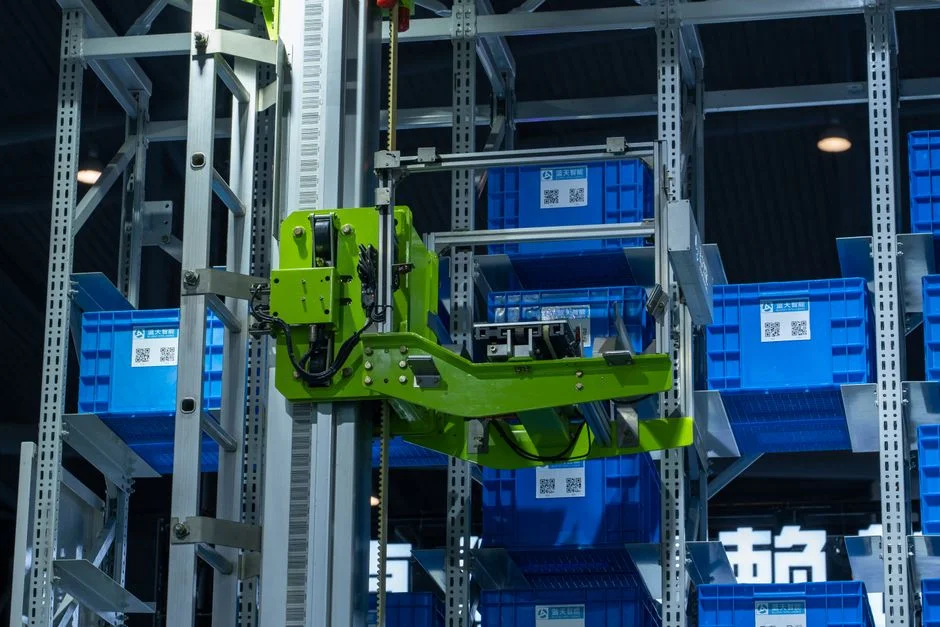
Inventory optimization extends beyond procurement; it deeply influences the physical layout and labor requirements within a warehouse. AI-driven systems can analyze historical picking patterns to suggest optimal slotting strategies, ensuring that high-velocity items are located in the most accessible areas. By minimizing travel time for human pickers or autonomous mobile robots, the organization can achieve significant gains in throughput. This spatial optimization is a classic optimization problem that AI solves by identifying correlations between item popularity, seasonal trends, and physical picking constraints.
Moreover, AI can optimize labor allocation by predicting the required workforce based on forecasted order volumes. By correlating sales forecasts with labor productivity metrics, managers can schedule staff shifts with high precision, reducing idle time during quiet periods and preventing bottlenecks during peak seasons. This is particularly valuable in multi-tenant or complex logistics environments where labor costs represent a significant portion of the total operating expenditure. The intelligence provided by the system allows for a dynamic adjustment of resources that aligns perfectly with the actual operational load, ensuring that the warehouse remains a model of efficiency.
The technical implementation of these features often involves integrating computer vision or IoT sensors that track movement and stock levels in real-time. By feeding this granular data into a central model, the system can provide actionable recommendations for warehouse layout changes. This continuous improvement loop ensures that the physical infrastructure evolves alongside the business, preventing the ‘frozen’ warehouse problem where legacy layouts hinder modern operational needs. This integration of digital intelligence and physical assets is the hallmark of a truly optimized supply chain.
Data Governance and Quality for AI Success
The effectiveness of any AI system is fundamentally capped by the quality of its training data. In the context of inventory optimization, this means that data silos, inconsistent naming conventions, and missing historical records are significant impediments to success. Establishing a rigorous data governance framework is a prerequisite for deploying effective machine learning models. This involves normalizing data across all touchpoints, ensuring that SKU identifiers are consistent, and that lead time data is accurately captured and cleaned at the source.
Technical teams must invest in data pipelines that prioritize quality over quantity. This includes implementing automated validation checks during the ingestion process to catch anomalies or corrupted data before it reaches the model. Furthermore, maintaining a clean ‘golden record’ for each product—containing dimensions, weight, vendor lead times, and historical sales velocity—is essential. Without this foundation, the AI model will likely produce hallucinations or inaccurate forecasts that can lead to costly inventory errors. Investing in robust data engineering practices during the early stages of the project is the most reliable way to ensure the long-term viability of the AI solution.
Additionally, the security and privacy of this data must be managed with care. Sensitive supplier contracts, pricing agreements, and proprietary sales data must be protected using industry-standard encryption and access controls. By treating the inventory database as a highly sensitive asset, the organization can build a foundation of trust that allows for the safe integration of third-party AI APIs and internal machine learning models. This proactive approach to data security minimizes the risk of intellectual property theft and ensures compliance with relevant data protection regulations, which is critical for long-term operational sustainability.
Scalability and Performance in Distributed Environments
As an organization grows, the complexity of its inventory management scales exponentially. A system that works for a single warehouse may fail when applied to a global network of distribution centers. Scalability must be baked into the architecture from the start, utilizing cloud-native design patterns that allow for elastic scaling of compute and storage resources. By leveraging containerization and microservices, engineers can deploy modular components of the AI system independently, ensuring that updates or failures in one part of the system do not compromise the entire supply chain.
Performance tuning is equally critical. As the number of SKUs and transactional events increases, the latency of the forecasting engine can become a bottleneck. Techniques such as model quantization, caching of frequently accessed predictions, and the use of specialized hardware for inference can significantly improve response times. Engineering teams must continuously monitor the performance of their models, implementing automated retraining cycles that ensure the system remains accurate as the product mix changes. This iterative process of refinement is necessary to maintain a competitive advantage in an environment where data volumes are constantly increasing.
Finally, the architecture should be designed for high availability. In a global supply chain, downtime can result in significant financial losses and customer dissatisfaction. Implementing multi-region deployments and robust failover mechanisms ensures that the inventory system remains accessible even in the event of local infrastructure failures. By prioritizing resilience and scalability, technical leaders can build a platform that not only handles current demands but also provides a stable foundation for future expansion into new markets and product categories.
Navigating AI Safety and Ethical Considerations
The deployment of AI agents in critical business functions brings with it a responsibility to manage AI safety and ethical risks. AI hallucinations, where a model generates plausible but incorrect information, can lead to disastrous procurement decisions if not properly mitigated. Technical teams must implement robust testing frameworks that include adversarial testing, where the model is challenged with extreme or nonsensical inputs to ensure it fails gracefully or defaults to safe, manual operations. This level of vigilance is necessary to prevent the system from making decisions that could jeopardize business continuity.
Bias in training data is another significant concern. If a model is trained on historical data that includes systemic biases—such as favoring certain suppliers due to past relationships rather than objective performance metrics—it may perpetuate those biases, leading to suboptimal procurement outcomes. Mitigating this requires a diverse and representative dataset, as well as regular audits of the model’s decision-making logic. By maintaining transparency in how the model arrives at its conclusions, teams can identify and rectify biases early in the process, ensuring that the AI operates in a fair and objective manner.
Ultimately, the goal is to create a ‘human-in-the-loop’ system where the AI acts as a powerful advisor rather than an autonomous dictator. By providing clear explanations for its recommendations—often referred to as ‘explainable AI’—the system builds confidence among stakeholders and allows for informed oversight. This collaborative model between human expertise and machine intelligence is the most effective way to leverage the power of AI while maintaining strict control over the safety and ethical integrity of the business operations.
Integrating with Enterprise Resource Planning Systems
The true value of AI-powered inventory optimization is only realized when it is deeply integrated into the existing Enterprise Resource Planning (ERP) ecosystem. The AI engine should act as an intelligent layer that sits on top of the ERP, reading transactional data and writing optimized procurement parameters back into the system. This seamless flow of information ensures that the entire organization is operating from a unified set of data, preventing discrepancies between the ‘AI reality’ and the ‘ERP reality’ that often plague poorly executed integrations.
Successful integration requires a robust API strategy. By exposing well-defined endpoints, the AI system can communicate with the ERP, warehouse management systems (WMS), and customer relationship management (CRM) platforms. This connectivity allows for a closed-loop system where sales data from the CRM informs the forecasting engine, which then triggers replenishment orders in the ERP, which are finally tracked and managed in the WMS. The complexity of this integration is significant, but it provides a level of operational coherence that is unattainable with fragmented, manual processes.
Engineers must also plan for versioning and backward compatibility. As the ERP system is updated or replaced, the AI integration layer must remain functional. Adopting a service-oriented architecture (SOA) allows for the decoupling of the AI logic from the underlying ERP, making it easier to upgrade or modify components without disrupting the entire chain. This modularity is a critical design consideration that ensures the long-term maintainability and flexibility of the inventory system in an ever-changing technical landscape.
Strategic Integration and Future-Proofing
The integration of AI into inventory management is not a ‘set and forget’ project; it is a continuous process of strategic alignment and technological evolution. As new research emerges in fields like reinforcement learning and causal inference, the system should be designed to incorporate these advancements without needing a total rebuild. This requires a modular and extensible architecture that treats models, data pipelines, and interfaces as distinct, swappable components. By maintaining this level of flexibility, organizations can stay at the forefront of innovation while protecting their core operational investments.
Furthermore, the culture of the organization must evolve to support this transition. Technical leaders must foster an environment where team members understand the capabilities and limitations of AI, encouraging a mindset of experimentation and continuous learning. By democratizing access to insights through well-designed dashboards and natural language interfaces, the entire organization becomes more data-driven, leading to better decision-making at every level. This cultural shift is just as important as the technical implementation, as it ensures that the power of AI is fully utilized to drive business value across the board.
In the final analysis, the benefits of AI-powered inventory optimization are measured by the resilience, efficiency, and scalability of the supply chain. By replacing legacy assumptions with probabilistic models, automating routine processes, and fostering a culture of data-driven decision-making, companies can navigate the complexities of the modern market with confidence. The transition to AI is a significant undertaking, but for those who execute it with a focus on sound architecture and long-term sustainability, the competitive advantages are profound and enduring.
Explore our complete AI Integration — AI APIs & Tools directory for more guides.
Factors That Affect Development Cost
- Data ingestion complexity
- Model training and fine-tuning requirements
- Integration depth with legacy ERP systems
- Infrastructure scaling needs
- Frequency of real-time model re-training
Costs fluctuate significantly based on the existing data maturity of the organization and the volume of SKU-level data being processed by the AI engine.
The adoption of AI-powered inventory optimization marks a fundamental shift in how businesses manage their physical and operational assets. By moving beyond traditional, rule-based heuristics toward probabilistic, data-driven intelligence, organizations can achieve a level of agility and precision that was previously impossible. This transition requires a commitment to robust data engineering, scalable architecture, and a thoughtful approach to human-in-the-loop oversight.
As supply chains continue to grow in complexity and volatility, the ability to predict demand, automate procurement, and optimize warehouse performance will become an increasingly critical differentiator. Technical leaders who prioritize these capabilities today will be well-positioned to navigate the challenges of tomorrow, turning their supply chain into a core engine of sustainable growth and competitive advantage.
NR Tech Studio builds custom web apps, mobile apps, SaaS platforms, and internal tools for growing businesses. If you’re working through a technical decision, feel free to reach out — no commitment required.