Technical blogging is not a marketing tool designed to magically increase user acquisition or automate lead generation. It cannot replace a robust CI/CD pipeline, nor can it rectify fundamental flaws in your system architecture. If your API responses are latent or your database schema is improperly indexed, a well-written blog post will not save your product from inevitable failure.
However, documenting engineering decisions serves a critical purpose: it forces rigorous reflection on your stack, debugging processes, and design patterns. This guide provides a technical framework for writing high-fidelity content that serves as an extension of your documentation. We will move beyond surface-level tutorials and focus on how to structure complex engineering narratives that provide genuine value to fellow software architects and lead developers.
Pre-flight Checklist for Engineering Content
Before drafting, you must define the technical scope. Avoid generic ‘how-to’ guides that offer little more than official documentation. Instead, focus on the implementation details that documentation often glosses over.
- Define the constraint: What specific problem were you solving? (e.g., memory leak in a Node.js worker, race conditions in a distributed system).
- Identify the audience: Are you writing for junior developers or senior architects? Adjust your depth accordingly.
- Verify the technical truth: Ensure your code snippets are tested against the current version of the library or framework.
Structuring the Narrative Architecture
A technical blog post should follow the structure of a well-engineered software module. Use a clear, logical flow that mirrors the debugging process.
- The Context: Set the stage by describing the existing architecture and the specific bottleneck encountered.
- The Hypothesis: Explain why you chose a specific solution over others.
- The Implementation: Provide the code. Use syntax highlighting and ensure the code is modular.
- The Results: Include empirical data. Use benchmark results, heap snapshots, or query execution plans to prove your point.
Code Snippets and Repository Hygiene
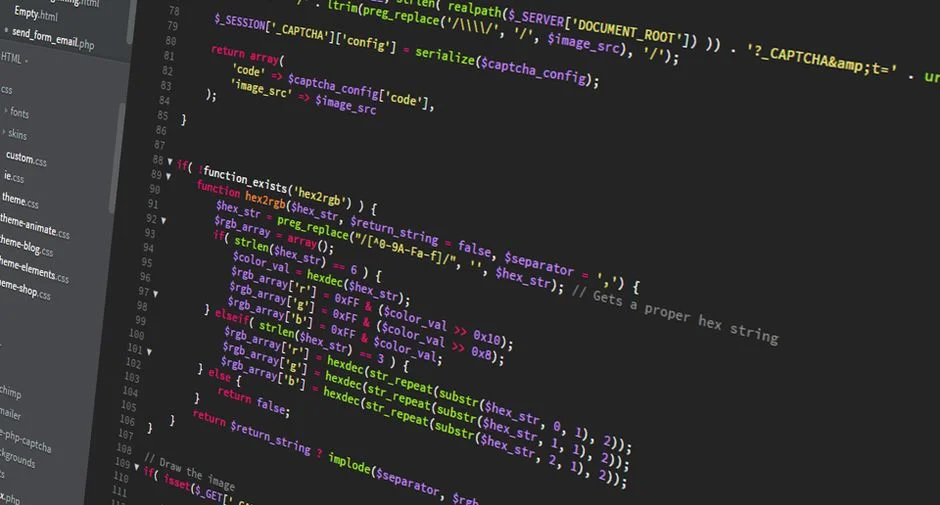
Code blocks are the core of your article. Never include ‘pseudo-code.’ If you are discussing Laravel middleware, provide a complete, runnable PHP snippet.
// Example of a clean middleware implementation

public function handle(Request $request, Closure $next)

{

    if (!$request->user()) {

        return response()->json(['error' => 'Unauthorized'], 401);

    }

    return $next($request);

}
Always link to a corresponding GitHub repository or Gist to allow readers to verify your findings in their own local environment.
The Importance of Empirical Evidence
Technical credibility rests on data. If you claim a specific database indexing strategy improves performance, provide the before-and-after query execution logs.
| Metric | Before Optimization | After Optimization |
|---|---|---|
| Query Latency | 450ms | 42ms |
| Memory Usage | 128MB | 32MB |
Without these metrics, your article is mere opinion. Use tools like Explain Analyze in MySQL or Chrome DevTools for front-end performance claims.
Managing Technical Debt in Content
Just like code, technical content rots. A blog post written for React 16.8 may be dangerous if applied to React 18+ without updates. Establish a ‘Content Maintenance’ cycle where you revisit your popular technical posts every six months to verify that libraries, dependencies, and best practices remain current.
Explaining Complex System Design
Use diagrams to represent data flow, especially when dealing with complex integrations or microservices. A sequence diagram can communicate the complexity of a REST API request cycle better than five pages of prose.
sequenceDiagram
    Client->>API Gateway: Request
    API Gateway->>Auth Service: Verify Token
    Auth Service-->>API Gateway: Success
    API Gateway->>Database: Fetch Data
    Database-->>API Gateway: Payload
    API Gateway-->>Client: Response
The Role of Documentation in Scalability
Writing about your scaling journey is a powerful way to document tribal knowledge. Whether you are discussing scaling a Laravel application or implementing a new microservice, the act of writing forces you to standardize your processes, making it easier for new engineers to onboard.
Avoiding Fluff and Marketing Jargon
Developers have a low tolerance for marketing speak. Avoid words like ‘game-changer’ or ‘seamless.’ Focus on the trade-offs. Every technical decision has a cost; be honest about the limitations of the technology you are advocating for. This builds trust with your audience.
Post-Deployment Checklist for Articles
- Peer Review: Have another engineer review the code for security vulnerabilities.
- SEO Metadata: Ensure your title and meta description accurately reflect the technical content.
- Distribution: Share the post on technical platforms like Dev.to, Hashnode, or industry-specific Slack channels.
Leveraging Content for Architectural Growth
Use your blog to document your exploration of new paradigms. For example, if you are moving from a monolithic architecture to a REST API based system, write about the transition hurdles. This creates a historical record of your team’s technical evolution.
Frequently Asked Questions
What are the 5 C’s of technical writing?
The 5 C’s typically refer to Clarity, Conciseness, Correctness, Completeness, and Coherence. These principles ensure that technical information is conveyed accurately without ambiguity.
What are the 7 C’s of technical writing?
The 7 C’s often expand the 5 C’s to include Consideration and Concreteness. These focus on keeping the audience’s needs in mind and providing specific, verifiable details.
How to write a good technical blog?
To write a good technical blog, focus on solving a specific problem, include fully functional code examples, provide empirical performance data, and maintain high standards of accuracy.
Technical writing is a critical engineering skill that requires the same rigor as writing production code. By focusing on data-driven insights, clear architectural diagrams, and verified code snippets, you provide tangible value to the developer community while documenting your own technical growth.
If you are looking to document your next large-scale project or require assistance in architecting a high-performance system, we are here to help. Reach out to our team for a free 30-minute discovery call to discuss your project requirements.
NR Studio builds custom web apps, mobile apps, SaaS platforms, and internal tools for growing businesses. If you’re working through a technical decision, feel free to reach out — no commitment required.