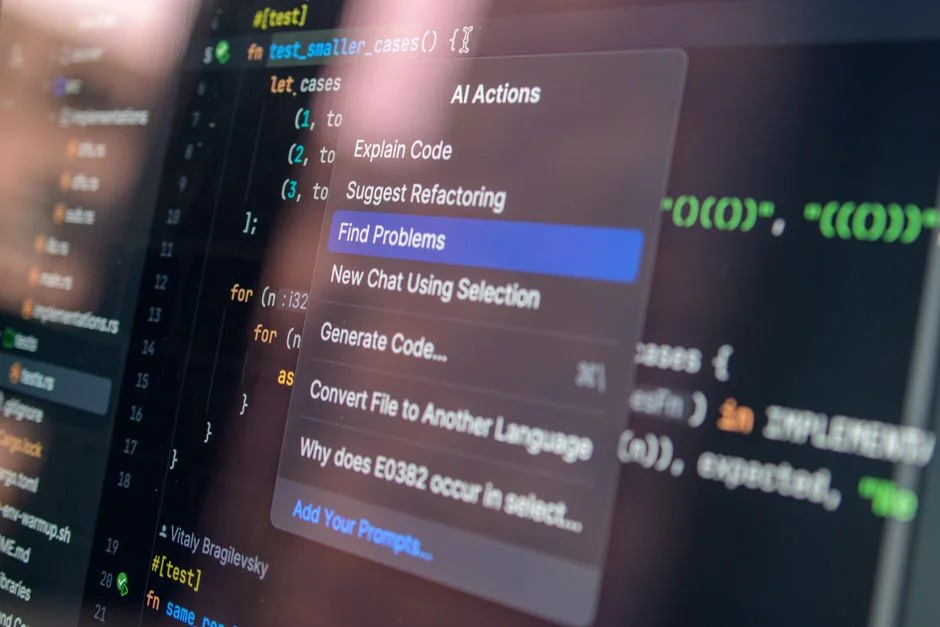
Software refactoring is not a cleanup chore; it is a critical engineering discipline aimed at improving the internal structure of existing code without altering its external behavior. For CTOs and startup founders, refactoring is the primary mechanism for managing technical debt. When a codebase grows rapidly to meet market demands, entropy naturally increases. Without a systematic approach to refactoring, that entropy leads to slower feature delivery, increased bug rates, and eventual system stagnation.
This guide outlines the technical strategies and decision-making frameworks required to execute refactoring projects effectively. We focus on risk mitigation, incremental improvement, and the clear distinction between refactoring and rewriting, ensuring you can maintain agility while scaling your technical infrastructure.
Defining the Scope: Refactoring vs. Rewriting
The most common failure in software modernization is confusing refactoring with a full rewrite. Refactoring involves small, incremental changes designed to improve maintainability, performance, or readability while keeping the application running. A rewrite, by contrast, is a high-risk endeavor that discards the existing codebase for a new implementation, often leading to unforeseen feature parity gaps and project bloat.
Refactoring should be the default strategy for systems that provide business value. Rewriting is only viable when the underlying architecture is fundamentally incapable of supporting current business requirements or when the technology stack is so obsolete that it poses an existential security risk. In most cases, a strangler fig pattern—incrementally replacing modules of the system—is safer and more cost-effective than a total replacement.
The Technical Prerequisites for Safe Refactoring
You cannot refactor what you cannot verify. Before modifying any production code, you must have a comprehensive suite of automated tests. If your test coverage is low, your first step is not refactoring—it is writing characterization tests to document the current behavior of the system.
- Unit Tests: Validate individual functions and methods.
- Integration Tests: Ensure modules communicate correctly.
- End-to-End Tests: Verify critical user flows remain unbroken.
Without these safety nets, refactoring is merely guessing. If your team lacks the time to build these tests, you must factor that effort into the initial phase of the refactoring project. Security is also a major factor here; refactoring often exposes legacy vulnerabilities that need to be addressed during the cleanup process.
Strategic Refactoring Patterns
When executing refactoring, developers should rely on established patterns to minimize churn. Common techniques include:
- Extract Method: Taking a large, complex block of code and moving it into a smaller, named function to improve readability and reusability.
- Replace Conditional with Polymorphism: Removing deeply nested ‘if-else’ or ‘switch’ statements by using object-oriented design patterns that delegate behavior to subclasses.
- Encapsulate Field: Restricting direct access to data members, forcing usage through getter and setter methods to control state changes.
These patterns are well-documented in industry literature, such as Martin Fowler’s work. When implementing these, focus on reducing the cyclomatic complexity of your functions. Aim for functions that do one thing and do it well, as this significantly reduces the cognitive load on your engineering team.
Decision Framework: When to Refactor
Refactoring should not be done for its own sake. It must be tied to business outcomes. Use the following criteria to prioritize refactoring tasks:
| Metric | Priority |
|---|---|
| High churn, high complexity | High (Immediate refactor) |
| Low churn, high complexity | Low (Monitor) |
| High churn, low complexity | Medium (Improve as needed) |
| Low churn, low complexity | None (Leave alone) |
If a specific module is constantly causing production bugs or preventing new feature development, that is your primary target. Do not waste resources refactoring stable, legacy code that rarely changes, even if the code style is outdated.
Budgeting and Resource Allocation
Refactoring is often viewed as a cost center, but it should be viewed as an investment in velocity. When budgeting, account for the opportunity cost of pausing feature development. The most effective approach is to allocate a fixed percentage of each development sprint—typically 15% to 20%—to technical debt reduction.
Large, dedicated refactoring projects are often better handled by a specialized team or an outsourced partner who can focus on the modernization without disrupting the product team’s delivery cycle. Always include budget for regression testing and deployment pipeline updates, as refactoring can often break existing CI/CD configurations.
Performance and Security Considerations
Refactoring is an ideal time to address performance bottlenecks. As you break down monolithic functions, look for inefficient database queries (N+1 issues) or redundant API calls. Use profiling tools to identify actual performance hotspots before optimizing.
Security-wise, ensure that your refactoring does not inadvertently expose internal data or bypass existing authorization layers. During the migration of legacy logic, re-verify that input sanitization and output escaping are applied correctly. If you are moving from a legacy monolithic architecture to a service-oriented one, this is the time to implement robust API gateways and centralized authentication.
Factors That Affect Development Cost
- Current test coverage
- Codebase size and complexity
- Documentation quality
- Team familiarity with the legacy code
Costs vary significantly based on the depth of the technical debt and the architectural changes required to meet modern standards.
Frequently Asked Questions
When is it absolutely necessary to refactor software?
Refactoring is necessary when the cost of adding new features becomes prohibitively high due to code complexity, or when the system experiences frequent regressions. If your team spends more time debugging than building, it is time to refactor.
Can refactoring break my software?
Yes, refactoring can break existing functionality if it is performed without adequate test coverage. This is why automated tests are mandatory before any structural changes occur.
How long does a typical refactoring project take?
The duration depends on the size of the codebase and the technical debt accumulated. Incremental refactoring is ongoing, while large-scale architectural migrations can take several months depending on the scope of the system.
Effective software refactoring is a continuous process, not a one-time event. By prioritizing automated testing, focusing on high-churn modules, and balancing debt reduction with feature delivery, you can ensure that your application remains a scalable asset rather than a liability. Successful refactoring requires discipline and a culture that values long-term maintainability over quick, messy wins.
If you are struggling with a legacy codebase or need help scaling your infrastructure, NR Studio offers expert guidance in software modernization and architectural optimization. Let us help you turn your technical debt into a competitive advantage.
NR Studio builds custom web apps, mobile apps, SaaS platforms, and internal tools for growing businesses. If you’re working through a technical decision, feel free to reach out — no commitment required.