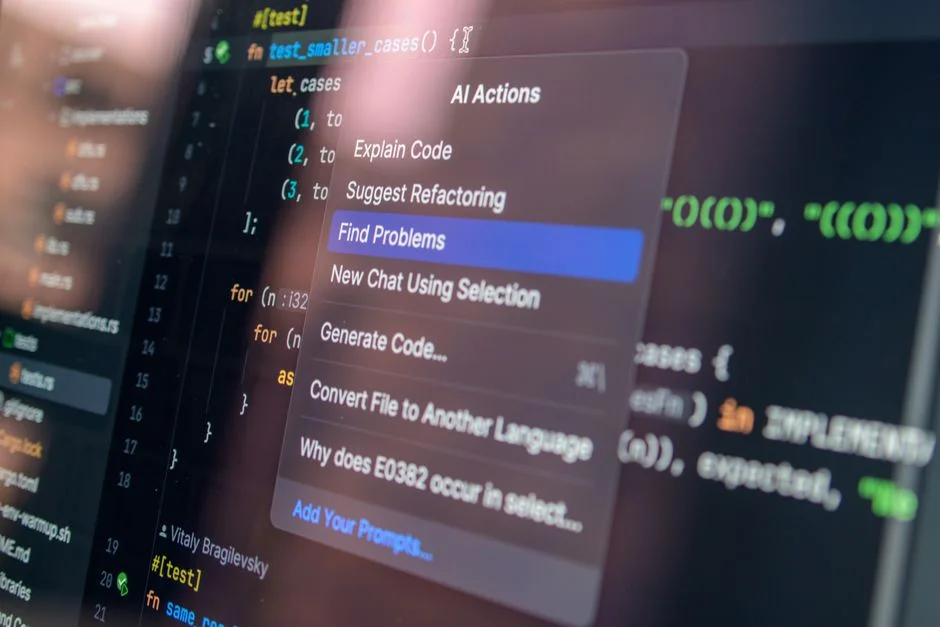

By 2026, the integration of AI-assisted coding tools into the WordPress ecosystem has transitioned from a niche productivity experiment to a standard operational requirement. Development teams, ranging from independent WordPress freelancers to large-scale enterprise agencies, now rely on LLMs to generate boilerplate code, debug legacy PHP themes, and automate complex plugin migrations. While these tools undeniably accelerate development cycles, they have introduced a sophisticated, often invisible layer of security risk that threatens the integrity of the WordPress platform.
As a security engineer, my concern is not with the utility of AI, but with the lack of rigorous oversight regarding the provenance and security posture of the code it produces. When an AI generates a snippet for a custom WordPress hook or a database query, it lacks the context of the specific site’s security configuration, potentially introducing vulnerabilities that bypass standard security filters. This article examines the critical security risks inherent in AI-assisted development for WordPress in 2026, focusing on how we must adapt our defensive posture to mitigate these risks effectively.
The Proliferation of Shadow Code in WordPress Plugins
One of the primary risks we face in 2026 is the emergence of ‘shadow code’—code segments generated by AI that are integrated into WordPress plugins without sufficient peer review or static analysis. Because WordPress relies heavily on the wpdb class for database interactions, developers frequently ask AI to generate complex query structures. If an AI model is trained on outdated or insecure patterns, it may suggest code that is vulnerable to SQL injection, even if the developer believes they are following modern standards.
The issue is compounded by the ‘copy-paste’ nature of AI interaction. Developers often treat AI-generated code as ‘finished’ rather than ‘draft’ material. In our experience, this leads to the inclusion of insecure function calls, such as the improper use of wp_kses_post or missing nonces in AJAX handlers. When building custom solutions, it is essential to consider the broader architectural implications. For instance, when choosing between different communication patterns, understanding the nuances of API-first vs. code-first development strategies becomes critical in ensuring that the AI-generated endpoints are actually secure and maintainable.
Data Poisoning and LLM Hallucinations in Code Bases
Data poisoning is a significant threat to the integrity of AI-assisted workflows. As AI models ingest vast amounts of public code, they also ingest insecure, deprecated, and malicious snippets from poorly maintained repositories. If an AI suggests a piece of code that is technically functional but contains a subtle backdoor or a logic flaw, the developer may inadvertently introduce a vulnerability that remains undetected for months.
This is particularly dangerous in the context of high-security applications. We often see teams rushing to build complex features without considering the underlying risk management. For example, when scaling a platform, the security requirements are vastly different from standard sites. Much like the principles applied in security-first AR/VR app development, we must treat every line of AI-generated code as potentially hostile until it has been verified through a rigorous CI/CD pipeline and manual security audit.
The Cost of Security Oversight in AI-Driven Workflows
Integrating AI into your workflow does not reduce the cost of security; in many cases, it increases the required investment in quality assurance. You must shift from a model of ‘writing code’ to a model of ‘auditing and validating code.’ This transition requires a significant allocation of engineering hours.
| Service Tier | Focus Area | Estimated Monthly/Project Investment |
|---|---|---|
| Basic Audit | Code review of AI-generated hooks | Medium-range hourly retainer |
| Enterprise Hardening | Full security lifecycle management | High-range project-based fee |
| Compliance Review | Regulatory alignment for WordPress | High-range hourly rate |
When budgeting for these projects, it is vital to account for the human cost of verification. A project that uses AI to accelerate initial development might require 30-40% more time in the hardening phase to ensure that the AI-generated logic does not violate security protocols. Understanding the total cost of ownership is as important as understanding the online course platform development costs when planning your long-term digital infrastructure.
Authentication and Authorization Flaws
AI models frequently struggle with the complexities of WordPress authentication, specifically when dealing with custom user roles or multisite configurations. When prompted to create an authentication layer, an AI might suggest a implementation that relies on basic authentication or insecure token storage, ignoring the robust mechanisms provided by the WordPress core.
Furthermore, when integrating third-party services, it is easy to accidentally expose credentials in the code generated by AI. If a developer asks an AI to write a configuration file for a payment gateway, the AI might suggest hardcoding sensitive API keys. This is a common failure point. We must enforce strict credential management, similar to the strategies employed in enterprise Web3 development services, where security is baked into the architecture rather than added as an afterthought.
The Impact on WordPress Core and Plugin Compatibility
The WordPress core is an evolving entity. AI models, which are often trained on snapshots of data, may not be aware of the latest security patches or changes in the WordPress coding standards. This leads to the generation of code that is technically compliant with older versions of WordPress but creates security holes in the current, hardened environment.
For example, if an AI suggests an outdated way of sanitizing inputs, the site becomes instantly vulnerable to Cross-Site Scripting (XSS). Developers must ensure that their AI tools have access to the latest documentation and that they are using linters configured with the most recent standards. Relying on outdated patterns is one of the most common ways that AI-assisted development leads to critical security failures in 2026.
Supply Chain Risks and Third-Party Dependencies
AI-assisted development often encourages the usage of numerous small, ‘AI-optimized’ libraries that may not have the same level of security scrutiny as established packages. When an AI recommends a specific library to handle a task, it is often optimizing for code brevity rather than security or long-term maintenance.
This creates a supply chain risk. If an AI-suggested dependency is compromised, your entire WordPress environment is at risk. We advocate for a ‘minimalist’ approach: only include dependencies that are actively maintained, have a clear security policy, and have been vetted by a human security engineer. Do not allow your AI assistant to dictate your dependency tree without human override.
Ensuring Compliance and Data Privacy
Data privacy regulations like GDPR and CCPA require strict control over how user data is handled. AI models, when tasked with creating data processing functions, often fail to implement the necessary logging, encryption, and anonymization required for compliance.
If your AI-generated code handles user submissions, ensure that it includes proper validation and sanitization. Furthermore, ensure that the AI is not inadvertently suggesting the logging of PII (Personally Identifiable Information) in plain text. Always audit the data flow of your custom plugins to ensure they meet your organization’s internal privacy standards.
Strategic Integration and Human-in-the-Loop
The only secure way to use AI in 2026 is to adopt a ‘human-in-the-loop’ strategy. AI should be treated as a junior developer who is capable of producing fast, but often flawed, work. The role of the senior engineer is to act as the final gatekeeper, performing deep code reviews and security testing.
We recommend implementing automated testing suites that run against every piece of code suggested by an AI. This includes unit tests, integration tests, and security-focused static analysis. By automating the verification process, you can capture the majority of the low-hanging fruit and focus your manual efforts on the more complex logic flaws.
Architectural Considerations for Long-Term Security
When building for the long term, focus on modular architecture. By decoupling your business logic from the WordPress core, you make it easier to audit and secure your code. If a piece of AI-generated code is found to be insecure, it is much easier to replace a single, isolated module than it is to refactor a monolithic plugin.
Always prioritize security-by-design. This means considering threats before a single line of code is written, regardless of whether that code is written by a human or an AI. Use tools that enforce security at the architectural level, such as strict type checking, comprehensive logging, and robust exception handling.
Future-Proofing Your WordPress Development Process
As AI models become more sophisticated, our defense mechanisms must evolve. We expect that by 2027, the focus will shift towards ‘AI-native’ security tools that can detect vulnerabilities in real-time as code is being generated. Until then, we must remain vigilant and skeptical.
Continue to invest in your team’s education. A team that understands the underlying security principles of WordPress is much harder to compromise than a team that relies solely on AI. Stay informed about the latest threats and vulnerabilities, and always prioritize security over speed.
Navigating the WordPress Ecosystem
For those looking to deepen their knowledge, we have curated a comprehensive set of resources. [Explore our complete WordPress — Development directory for more guides.](/topics/topics-wordpress-development/)
Factors That Affect Development Cost
- Complexity of the custom plugin architecture
- Volume of AI-generated code requiring manual audit
- Integration requirements with external APIs
- Security compliance and regulatory needs
Costs vary significantly based on the depth of the security audit and the complexity of the codebase, with enterprise-grade hardening typically requiring a significant investment in specialized security expertise.
AI-assisted development in 2026 is a double-edged sword. It offers unparalleled efficiency, but it demands a higher standard of security oversight than ever before. By treating AI as a tool for acceleration rather than a replacement for expert engineering, and by implementing a rigorous validation process, we can harness the benefits of AI while protecting our WordPress installations from the risks of insecure, automated code.
If you are looking to secure your development workflow or need an expert audit of your current WordPress projects, we are here to help. Reach out to the NR Tech Studio team to discuss how we can support your secure development goals.
NR Tech Studio builds custom web apps, mobile apps, SaaS platforms, and internal tools for growing businesses. If you’re working through a technical decision, feel free to reach out — no commitment required.