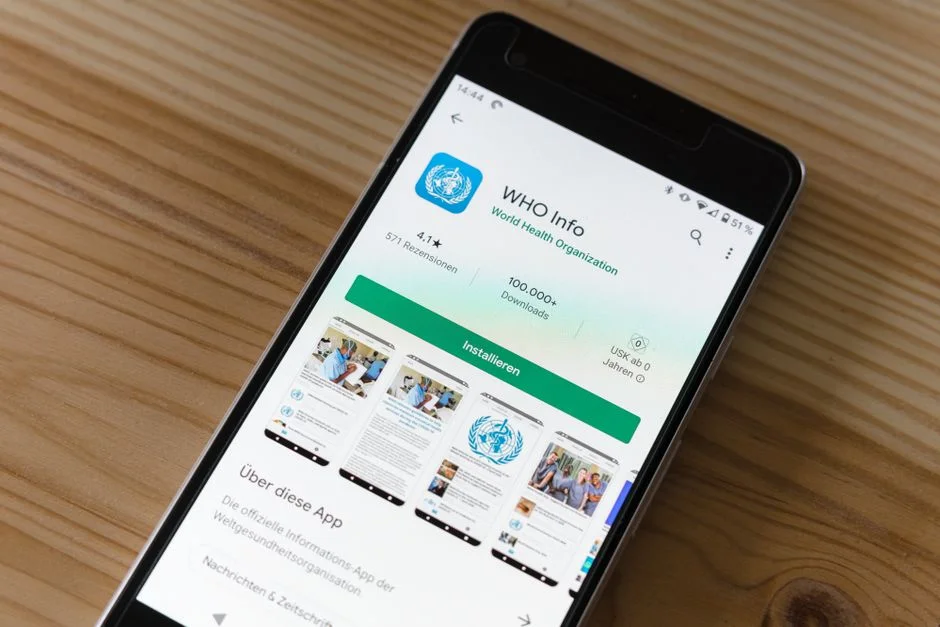
Building a mobile application for the healthcare sector requires a paradigm shift from standard consumer software development. While the technical stack often mirrors typical SaaS applications, the operational requirements—specifically regarding data privacy, regulatory compliance, and system interoperability—create a unique set of constraints that can determine the success or failure of your digital health venture.
At NR Studio, we approach healthcare mobile app development by prioritizing the intersection of high-performance architecture and stringent security protocols. This guide outlines the technical roadmap, security considerations, and strategic tradeoffs necessary for CTOs and founders aiming to deliver reliable, compliant, and scalable healthcare solutions.
Regulatory Compliance as an Architectural Foundation
In healthcare, compliance is not a feature; it is the environment in which your code must exist. Whether you are targeting the US market (HIPAA) or the EU (GDPR), your infrastructure must be designed for auditability from day one. This means your data storage, logging, and access control systems must support encryption at rest and in transit, detailed activity logs, and granular role-based access control (RBAC).
Technical implementations like AES-256 encryption for database fields and strict TLS 1.3 requirements for API communication are mandatory. You must also consider how your application handles PHI (Protected Health Information). Decoupling PII (Personally Identifiable Information) from clinical data in your database schema can reduce the scope of your compliance audits and improve security posture.
Technical Stack Selection for Scalability and Security
For healthcare applications, we typically recommend a robust stack that balances development speed with long-term maintainability. Using Laravel for the backend provides a mature ecosystem with built-in security features, such as protection against SQL injection, cross-site scripting, and cross-site request forgery. When paired with a React or Next.js frontend, you achieve a responsive user experience that works across web and mobile devices.
Tradeoff: Choosing a monolithic framework like Laravel allows for rapid feature delivery and centralized security management. However, as the application scales to handle complex real-time telemetry or massive datasets, you may need to offload heavy processing to microservices or dedicated queue workers.
Using TypeScript across your stack ensures type safety, reducing runtime errors that could have critical implications in a medical context.
Designing for Interoperability with HL7 and FHIR
A healthcare app that exists in a vacuum is rarely useful. Most healthcare providers require integration with existing Electronic Health Records (EHR) systems via standards like HL7 or FHIR (Fast Healthcare Interoperability Resources). Building custom REST APIs that conform to these standards is essential for successful adoption within clinical workflows.
When building your API layer, prioritize an event-driven architecture. Using Laravel Queues to handle incoming data from external providers prevents your primary application from becoming unresponsive during high-load periods. This approach ensures that critical alerts or data synchronizations are processed reliably, even if the connection to the EHR system is intermittent.
Security Best Practices for Health Data
Security goes beyond basic encryption. It involves proactive measures like Two-Factor Authentication (2FA), session management, and automated security auditing. You should implement strict identity management, ensuring that every user session is authenticated and authorized for the specific data they are accessing.
Regular penetration testing and automated vulnerability scanning should be integrated into your CI/CD pipeline. For any healthcare application, logs must be immutable and centralized to provide a clear audit trail for compliance officers. Never log raw PHI in your error reporting tools; use masking techniques to keep sensitive information out of your logging infrastructure.
Cost and Complexity Factors
Healthcare app development costs are driven by the complexity of integrations and the breadth of regulatory requirements. Factors impacting your budget include:
- Integration Complexity: Interfacing with legacy EHR systems often requires custom middleware development.
- Compliance Documentation: Maintaining a compliant environment requires more rigorous testing and documentation cycles than standard applications.
- Security Audits: Third-party security assessments are necessary to validate your infrastructure.
While the initial investment is higher due to these factors, prioritizing security and scalability early prevents the significant technical debt and legal risks associated with non-compliant software.
Decision Framework: Custom Development vs. Off-the-Shelf
When deciding whether to build a custom solution or use an off-the-shelf platform, consider your core value proposition. If your app provides a unique clinical workflow or patient experience, custom development is necessary. If you are merely creating a patient portal, existing solutions might suffice.
| Factor | Custom Development | Off-the-Shelf |
|---|---|---|
| Scalability | High | Limited |
| Compliance Control | Full | Shared |
| Cost | Higher upfront | Subscription-based |
| Flexibility | Unlimited | Restricted |
Choose custom development if you need deep EHR integration, unique data analytics, or proprietary patient engagement models that competitors cannot replicate.
Factors That Affect Development Cost
- EHR/EMR integration complexity
- Regulatory compliance scope (HIPAA/GDPR)
- Data security and encryption requirements
- Audit and testing cycle duration
- Scalability of backend infrastructure
Costs are determined by the complexity of integrations and the depth of security protocols required to meet healthcare regulations.
Frequently Asked Questions
How much does it cost to develop a healthcare app?
Costs vary significantly based on the complexity of features, the number of required integrations with EHR systems, and the level of security and compliance certification needed. Unlike standard apps, healthcare applications require extensive testing and documentation, which increases the total investment.
How to develop a healthcare app?
Development begins with identifying your core clinical use case, followed by selecting a secure, scalable technology stack. You must design the architecture to support HIPAA or GDPR compliance from the start, integrate with existing health data standards like FHIR, and perform rigorous security testing before launch.
What are the healthcare mobile app development companies?
Many software agencies offer development services, but you should look for partners that demonstrate specific expertise in regulatory compliance and data security. Look for firms that have experience with HIPAA-compliant infrastructure and EHR integration, like NR Studio.
Healthcare mobile app development is a high-stakes endeavor that demands technical rigor and a commitment to patient safety. By focusing on compliant architecture, scalable integrations, and proactive security, your organization can build a platform that thrives in the competitive digital health landscape.
At NR Studio, we specialize in building secure, high-performance healthcare software. Whether you are in the early stages of planning or looking to modernize an existing application, we provide the technical expertise to ensure your project meets the highest industry standards. Contact us to discuss your healthcare development requirements.
Ready to Build a Custom Solution?
NR Studio specializes in custom software built around your workflow. Tell us what you’re building and we’ll walk through your options together.