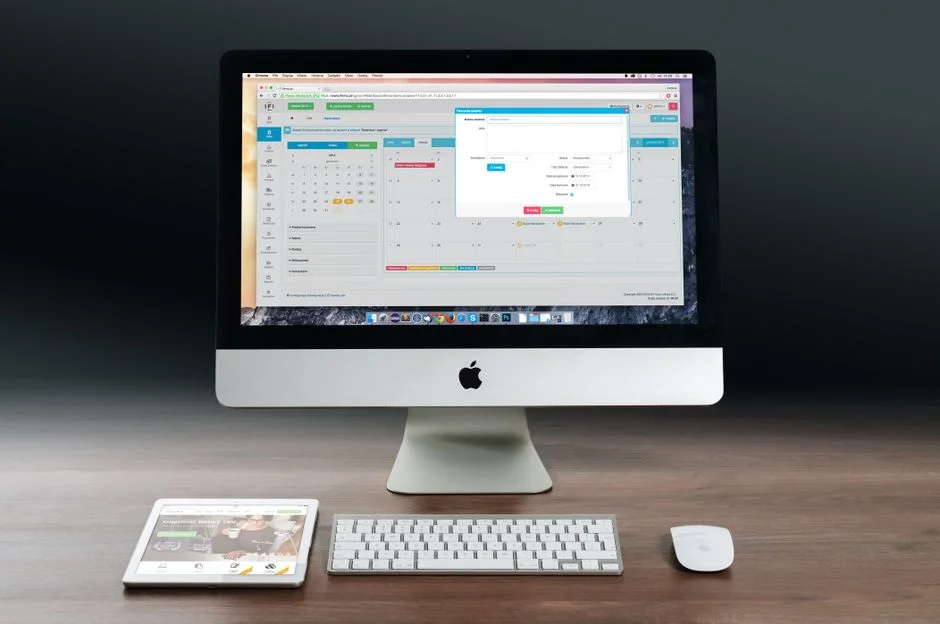

Building an event management platform requires more than just a CRUD interface for booking tickets. At scale, the system must handle concurrency during high-traffic ticket releases, maintain strict data consistency for seat reservations, and provide low-latency analytics for organizers. Most early-stage implementations fail due to poor database schema design or inadequate handling of atomic transactions during the checkout process.
This technical guide outlines the architecture required to build a robust event management system using a modern stack. We will focus on event-driven architecture, distributed locking mechanisms for ticket sales, and the integration of AI-driven features to optimize attendee engagement without compromising system stability.
High-Level System Architecture
A performant event management platform should follow an event-driven microservices or modular-monolith pattern. The primary components include an API Gateway, a Reservation Service, a Payment Gateway Integration, and a Notification Engine.
- API Layer: Next.js (Server-side rendering) for the frontend, communicating via REST or GraphQL with a Laravel backend.
- Queueing: Use Redis-backed queues for asynchronous processing, such as sending confirmation emails or generating event reports.
- Database: MySQL for relational data (users, events, tickets) with optimized indexing for query performance.
Designing the Relational Schema
Data integrity is paramount in booking systems. A normalized schema prevents race conditions. The core tables include events, sessions, tickets, and reservations.
CREATE TABLE reservations (id UUID PRIMARY KEY, ticket_id UUID, user_id UUID, status ENUM('pending', 'confirmed', 'expired'), expires_at TIMESTAMP);Using expires_at allows the system to clean up abandoned carts using a background cron job or a TTL index in Redis.
Handling Concurrency in Ticket Sales
When thousands of users attempt to purchase the same ticket simultaneously, simple database transactions are insufficient. Implement a distributed locking mechanism using Redis SETNX or database-level pessimistic locking (SELECT FOR UPDATE).
This ensures that only one request can decrement the available ticket count at a time, preventing overbooking.
Implementing the Reservation Engine
The reservation engine must support a ‘soft hold’ phase. When a user adds a ticket to their cart, trigger a temporary lock. If payment is not completed within 10 minutes, the lock must be released.
Using Laravel Jobs with delayed dispatching allows for efficient cleanup of expired reservations without manual intervention.
AI Integration for Attendee Personalization
Leverage AI to suggest events based on user behavior. By storing user interaction logs in a vector database, you can perform similarity searches to recommend sessions that align with the user’s historical preferences.
This reduces churn and increases platform engagement significantly.
Performance Optimization Strategies
Database bottlenecks are the primary cause of platform downtime. Implement read-replicas for heavy reporting queries and use caching layers like Redis for static event metadata. Refer to the Next.js Performance Optimization Guide for frontend rendering strategies that reduce server load.
Security Considerations
Standardize security by implementing OAuth2 for authentication and strict rate limiting on API endpoints to prevent brute-force attacks on ticket inventory. Always validate input at the application layer to prevent SQL injection, as noted in our Laravel Security Best Practices documentation.
Asynchronous Task Processing
Non-critical tasks like generating PDF tickets or sending SMS reminders should never run on the main request thread. Use Laravel Queues with Horizon to monitor your worker processes and ensure that high-latency tasks do not affect the user experience.
API Development and Integration
Design a RESTful API that adheres to versioning best practices. Use JSON API standards to ensure consistency. For payment integrations, utilize webhooks to asynchronously update the status of a reservation once the payment provider confirms the transaction.
Logging and Observability
Implement structured logging across all services. Centralizing logs allows for rapid debugging when a user reports a failed purchase or system timeout. Use tools like ELK stack or cloud-native solutions to monitor request latency and error rates.
Database Scalability Patterns
As your event database grows, consider table partitioning by date. This keeps historical event data isolated from the active booking tables, maintaining index performance on high-frequency tables.
Managing Event Metadata
Events involve complex metadata like speaker details, schedules, and venue maps. Use JSONB columns in PostgreSQL or specialized NoSQL collections if the schema is highly polymorphic, allowing for flexible event structures without constant migration overhead.
Frequently Asked Questions
What are the 5 P’s of event management?
The 5 P’s typically refer to Product, Price, Place, Promotion, and People. These represent the core business pillars for marketing and managing an event successfully.
What are the 5 C’s of event planning?
The 5 C’s are Conception, Coordination, Control, Culmination, and Closeout. These steps outline the lifecycle of an event from initial idea to final reporting.
Which software is commonly used for event management?
Common industry tools include Eventbrite, Cvent, and Bizzabo. However, custom-built solutions are preferred by enterprises requiring specific integrations or data sovereignty.
Building a reliable event management platform requires meticulous attention to state management and concurrency. By prioritizing atomic transactions, asynchronous processing, and a well-indexed database, you can ensure your platform remains stable even during peak demand.
For further insights into optimizing your stack, explore our other technical articles or subscribe to our developer newsletter for ongoing updates on system architecture.
NR Tech Studio builds custom web apps, mobile apps, SaaS platforms, and internal tools for growing businesses. If you’re working through a technical decision, feel free to reach out — no commitment required.