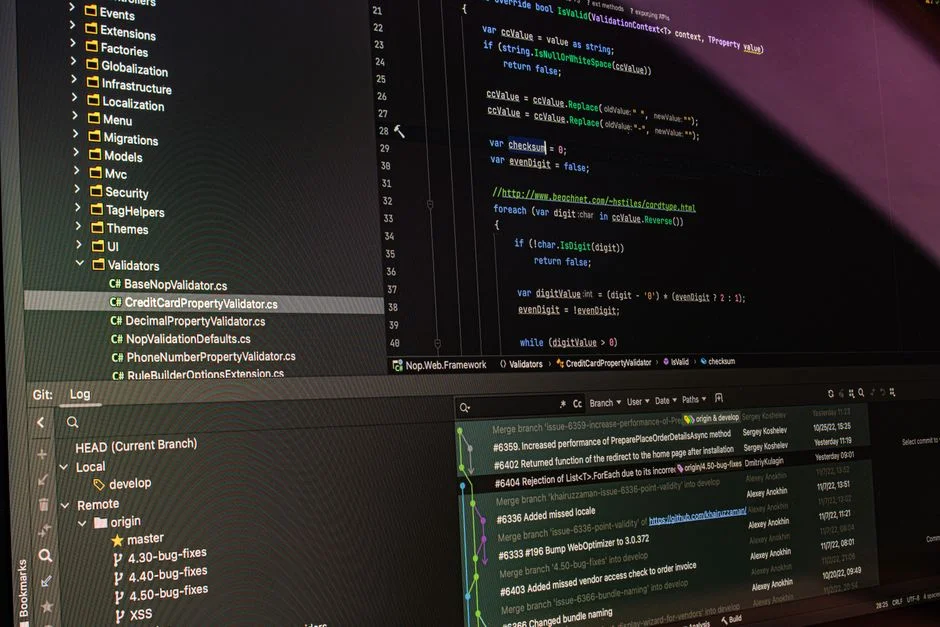
For engineering leaders, the choice of a git branching strategy is not merely a matter of developer preference; it is a fundamental architectural decision that dictates the velocity of your release cycle and the stability of your production environment. A poorly defined workflow leads to merge conflicts, broken builds, and a lack of transparency regarding what code is actually running in production. Conversely, a disciplined, well-documented strategy acts as a guardrail for your team, ensuring that every line of code follows a predictable path from development to deployment.
In this analysis, we evaluate the most effective branching models for modern software teams, focusing on the trade-offs between complexity and speed. Whether you are managing a small startup or a distributed team building complex SaaS platforms, your branching strategy must align with your CI/CD capabilities. We will break down industry-standard patterns, explain when to implement them, and provide a framework for choosing the right approach for your organization.
The Core Philosophy of Git Branching
At its core, a branching strategy defines the lifecycle of a feature from inception to release. The goal is to provide isolation for developers while maintaining a clear audit trail. Without a strategy, teams often fall into the trap of ‘trunk-based development’ without the proper automation, leading to unstable main branches, or ‘long-lived feature branches’ that become impossible to merge without massive regressions.
Effective branching strategies rely on three pillars: isolation, integration, and releasability. Isolation ensures that experimental code does not crash production. Integration ensures that code from different developers is frequently merged to identify conflicts early. Releasability ensures that the main branch is always in a deployable state. If your strategy does not enforce these, your team will struggle with integration debt.
Gitflow: The Traditional Standard
Gitflow is a rigid, time-tested model that uses two primary branches: main for production code and develop for integration. It utilizes supporting branches like feature/, release/, and hotfix/ to manage the lifecycle of changes. This model is exceptionally well-suited for teams that release on a scheduled basis, such as quarterly or monthly updates.
- When to use: Projects with strict release cycles, legacy enterprise software, or applications where production stability is prioritized over rapid delivery.
- Trade-off: High overhead. The complexity of merging back and forth between branches often leads to ‘merge hell’ if the team is not disciplined.
While Gitflow provides structure, it is often overkill for modern SaaS development where continuous deployment is the objective. If you are shipping multiple times a day, the overhead of managing release branches becomes a bottleneck rather than a feature.
Trunk-Based Development: Maximizing Velocity
Trunk-based development (TBD) is the preferred strategy for high-performance engineering teams. In this model, developers merge small, frequent updates directly to the main branch. To manage unfinished features, developers use ‘feature flags’ (or feature toggles) to hide incomplete code from the end user.
This approach forces developers to break down work into tiny, incremental PRs. It eliminates long-lived branches and ensures that the codebase is always integrated.
The primary requirement for TBD is a robust automated test suite. If you cannot verify your changes in minutes, TBD will lead to a broken main branch.
For startups, TBD is often the best choice because it accelerates feedback loops and keeps the entire team focused on a single, shared reality. The cost of implementation is high in terms of engineering culture—it requires developers to be comfortable with ‘shipping code that isn’t finished yet’ behind a flag.
Feature Branching: The Middle Ground
Feature branching is a lightweight alternative that focuses on creating a new branch for every task or ticket. Once the task is complete and code-reviewed, the branch is merged back into main. This is the most common workflow for teams using platforms like GitHub or GitLab.
This strategy offers better isolation than TBD but is more agile than Gitflow. It works exceptionally well for teams of 5 to 20 developers. The key to success here is short-lived branches. If a branch lasts longer than three days, it is likely too large and should be broken down into smaller, atomic commits.
| Strategy | Merge Frequency | Complexity | Best For |
|---|---|---|---|
| Gitflow | Low | High | Enterprise/Scheduled |
| Feature Branching | Medium | Low | Agile Teams |
| Trunk-Based | High | Medium | High-Performance/SaaS |
The Role of CI/CD in Branching Strategies
Your branching strategy is only as good as your CI/CD pipeline. Without automation, human error will inevitably break the main branch. A proper pipeline should automatically run linters, unit tests, and integration tests on every pull request before the merge button is enabled.
For teams using Next.js or Laravel, consider using ephemeral environments. When a developer opens a pull request, the CI/CD pipeline should spin up a temporary, live version of the application. This allows stakeholders to review the feature in a production-like environment before it ever reaches the main codebase. This reduces the risk of ‘it works on my machine’ issues and significantly improves the quality of code reviews.
Decision Framework: Choosing the Right Path
How do you choose? Start by evaluating your team’s size and deployment frequency. If you are a startup building an MVP, use Feature Branching. It is simple, requires zero complex tooling, and fits most git platforms out of the box. As you scale and your team grows, transition to Trunk-Based Development to increase velocity.
Avoid Gitflow unless you are working in a highly regulated industry where manual sign-offs and long release cycles are mandatory. The administrative cost of managing multiple long-lived branches often outweighs the perceived benefits for most modern web applications.
Factors That Affect Development Cost
- Team size and seniority
- CI/CD infrastructure maturity
- Automated testing coverage
- Frequency of deployments
The cost of implementing a branching strategy is primarily driven by the time required to configure automated pipelines and the overhead of training the team on the chosen workflow.
Frequently Asked Questions
What is the best branching strategy for startups?
For most startups, a simple Feature Branching model is the most effective. It balances the need for code isolation with the simplicity required to move quickly, without the overhead of complex Gitflow processes.
Why does trunk-based development require tests?
Trunk-based development involves frequent merging of code into the main branch. Without a comprehensive automated test suite, you have no way to verify that new code hasn’t broken existing functionality, making the main branch unstable.
How do feature flags work with branching?
Feature flags allow you to merge incomplete code into the main branch while keeping it hidden from end users. You wrap the new logic in a conditional statement that is toggled off in production until the feature is ready for release.
Selecting a git branching strategy is a foundational step in scaling your software development process. Whether you opt for the structure of Gitflow or the raw speed of Trunk-Based Development, the objective remains the same: to minimize integration friction and maximize the quality of code reaching your users. Remember that the best strategy is the one that your team follows consistently.
If you are looking to optimize your development lifecycle, NR Studio can help you implement rigorous CI/CD pipelines and architectural standards tailored to your specific business needs. Reach out to our team to discuss how we can streamline your software delivery process.
NR Studio builds custom web apps, mobile apps, SaaS platforms, and internal tools for growing businesses. If you’re working through a technical decision, feel free to reach out — no commitment required.