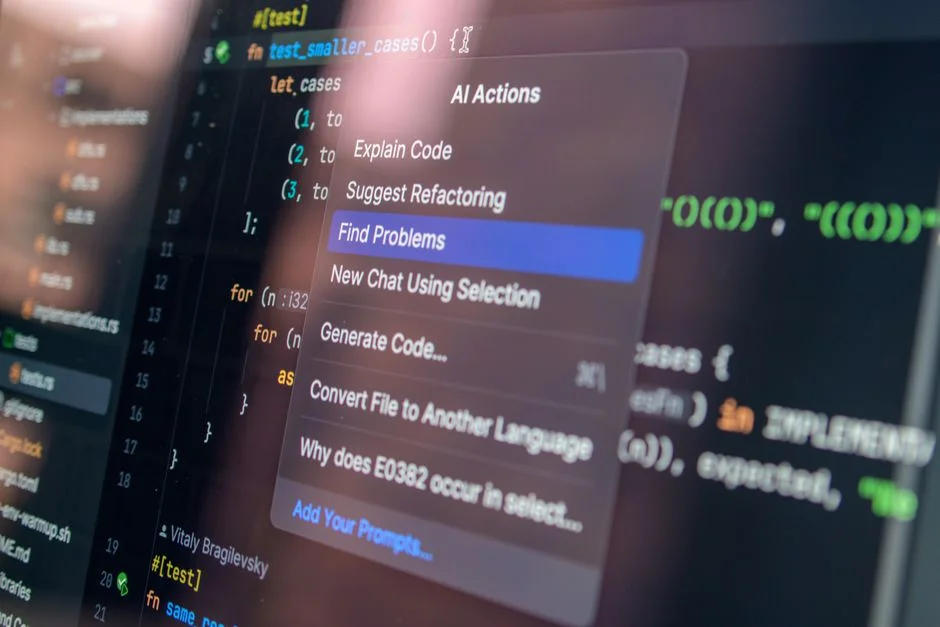

Many industry leaders assume that AI-generated code is inherently neutral and objective, simply because it is produced by a machine rather than a human. This is a dangerous misconception. In reality, code synthesis models are trained on vast, historically biased datasets that carry the collective technical debts, security oversights, and architectural preferences of the entire internet. When developers rely on these tools, they are not merely using a productivity aid; they are adopting a complex, opaque set of values and risks that can fundamentally alter the integrity of their software stack.
As software engineers and business owners, we must move beyond the excitement of rapid prototyping. Integrating automated coding assistants into a professional workflow requires a rigorous ethical framework that addresses intellectual property, technical accountability, and the long-term maintainability of systems. This article explores the nuanced responsibilities involved in using AI for production software, ensuring that your technical foundation remains robust, secure, and ethically sound.
The Illusion of Objective Code Generation
The core of the ethical dilemma lies in the nature of Large Language Models (LLMs). When you use an API to generate code, the model is essentially predicting the next likely token based on a probability distribution derived from billions of lines of source code. As discussed in our guide to how large language models operate and function, these systems do not possess intent. They do not ‘know’ if a function is secure, performant, or biased; they only know that a certain sequence of characters frequently follows another in their training corpus.
This creates a significant ethical hurdle: the ‘black box’ problem. When a developer accepts a snippet from an AI, they are often unable to verify the provenance of that code. If the model suggests a pattern that includes a deprecated security practice or a licensing violation, the human developer assumes full liability. Organizations must recognize that AI output is not peer-reviewed. Without a structured human-in-the-loop review process, teams risk propagating ‘zombie code’—fragments of legacy solutions that were never intended for modern, secure environments. The ethical mandate is clear: automation must never be a substitute for architectural oversight. Every line of AI-generated code should be treated with the same skepticism as code submitted by an unvetted third-party contributor.
Intellectual Property and Training Data Provenance
A critical, often overlooked ethical concern is the origin of the training data. Many popular models were trained on public repositories, including those licensed under strict copyleft terms like GPL or AGPL. When an AI generates a block of code, it may inadvertently reproduce logic that is legally tied to specific open-source licenses, potentially polluting the intellectual property of a proprietary enterprise product. This creates a risk of ‘license leakage’ where an organization may unknowingly violate copyright obligations.
Furthermore, developers have a moral obligation to respect the intent of original authors. Using AI to scrape and synthesize code that was meant for specific, non-commercial, or academic purposes into a commercial SaaS product is a significant ethical gray area. To mitigate these risks, enterprises should enforce strict policies regarding the use of AI tools that offer ‘indemnification’ or ‘copyright shielding.’ It is not enough to simply produce code; one must ensure that the generated output does not violate the digital heritage of the open-source community that made these models possible in the first place.
Security Implications of Automated Suggestions
Security is the most tangible ethical dimension of AI-assisted development. AI models, by design, prioritize the most common patterns in their training data. Unfortunately, many common patterns in legacy codebases contain subtle, high-impact vulnerabilities. If a developer uses an AI tool to generate an authentication flow or a data sanitization function, the model may suggest a solution that is syntactically correct but fundamentally insecure. We have previously documented the risks of AI-generated code security vulnerabilities, highlighting how models can suggest patterns that are prone to SQL injection or buffer overflows.
Ethical engineering requires that we do not offload security decisions to an algorithm. An AI might suggest a quick fix that satisfies a unit test while failing a security audit. By relying on these tools without deep domain knowledge, developers may inadvertently introduce backdoors into their systems. It is the responsibility of the technical lead to ensure that any AI-generated logic passes through a static application security testing (SAST) tool and rigorous manual code review. Neglecting this step is a breach of the trust placed in you by your stakeholders and users.
The Responsibility of Technical Debt and Maintainability
AI tools are exceptionally good at writing code, but they are notoriously poor at maintaining it. An AI can generate a complex microservice architecture in seconds, but it cannot foresee how that architecture will behave under load or how it will need to be refactored three years from now. When teams use AI to generate massive amounts of boilerplate code, they often end up with a codebase that is ‘AI-fluent’ but ‘human-opaque.’ If the original prompt engineer leaves the company, the remaining team may be left with a system that no one truly understands.
This is an ethical issue of sustainability. It is irresponsible to build a system that is difficult for human engineers to debug or extend. We must demand that AI-generated code adheres to strict internal style guides, documentation requirements, and modularity standards. If a developer cannot explain why a piece of code exists, it should not be in the repository. The goal should be to use AI for high-velocity scaffolding while reserving human expertise for the critical, long-term architectural decisions that define the core value of the software.
Managing AI-Driven Phishing and Social Engineering
Beyond the code itself, the ethical implications extend to how AI is used in the development lifecycle. We must be vigilant against the potential for malicious actors to use similar models for nefarious purposes. For example, AI-generated phishing attacks and how they affect small businesses have become a significant concern in 2026. If we are using AI to optimize our internal development workflows, we must ensure that our infrastructure is resilient against the same level of automated sophistication. Ethically, a company must protect its users by ensuring its internal CI/CD pipelines are not compromised by AI-generated malicious pull requests or automated social engineering attempts targeting developers.
The integration of AI into the development stack must include a ‘threat-aware’ culture. This means training developers not just on how to use AI for coding, but on how to identify the signs of AI-driven manipulation in their own environments. An ethical organization recognizes that the tools it uses to build products can also be turned against it, and it implements robust, multi-layered security controls to prevent such outcomes.
Pricing Models for AI Integration and Ethical Compliance
Implementing AI ethically is not free; it requires investment in governance, security tooling, and human oversight. Organizations must account for the hidden costs of managing AI-generated code, which include code audits, licensing compliance checks, and training. Below is a breakdown of how these costs typically manifest for enterprises looking to integrate AI responsibly.
| Service Model | Description | Cost Drivers |
|---|---|---|
| Hourly Consultation | Direct engagement with senior engineers to audit AI output. | Expertise level, complexity of the codebase, and urgency. |
| Project-Based Audit | A comprehensive security and license scan of an existing codebase. | Size of the repository, number of dependencies, and scope. |
| Monthly Retainer | Ongoing monitoring of AI tools and code quality standards. | Number of developers, frequency of code merges, and security policy complexity. |
A typical enterprise engagement for setting up an ethical AI development workflow usually spans 80-120 hours of senior engineering time. This includes configuring SAST pipelines, drafting internal AI usage policies, and establishing a peer-review protocol for AI-generated commits. Organizations that cut corners here often find that the ‘efficiency gains’ of AI are quickly eroded by the costs of technical debt and security remediation.
Build vs. Buy: Ethical Considerations in Tool Selection
When deciding whether to ‘buy’ a proprietary AI coding assistant (like GitHub Copilot or Cursor) or to ‘build’ a custom internal implementation using open-source models, the ethical implications differ significantly. Proprietary tools often provide better security guarantees, such as data privacy agreements that ensure your code is not used to train future models. However, they also create vendor lock-in and dependency on a third party’s ethical standards.
Building a custom solution using models like Llama 3 or Mistral gives you full control over the training data and the security perimeter. You can ensure that your model never sees sensitive intellectual property or PII. However, this requires significant investment in infrastructure and maintenance. You are responsible for ensuring that the model does not hallucinate or exhibit biased behavior. In our work architecting AI-powered product recommendations, we emphasize that the ‘build’ path is only ethically sound if the organization has the internal expertise to maintain the model’s integrity over time. Without that capability, the ‘buy’ path—with a focus on enterprise-grade privacy contracts—is often the more responsible choice.
Establishing a Culture of Accountability
The ultimate ethical safeguard is not a software tool; it is a culture of accountability. Every developer in an organization must understand that they are the primary author of any code they commit, regardless of how much of it was generated by an AI. This means that if a system fails, the developer is responsible for the failure. When we shift the focus from ‘who wrote the code’ to ‘who is responsible for the code,’ we create a strong incentive for better review, testing, and documentation practices.
Organizations should implement ‘AI-Attestation’ as part of their pull request process. This is a simple declaration that the developer has reviewed the AI-generated portions for security, licensing, and maintainability. By making this a formal part of the development cycle, you enforce a standard of quality that transcends the limitations of the tools themselves. Ethical development is not about rejecting AI; it is about mastering it with the rigor and responsibility that professional engineering demands.
Future-Proofing Your AI Integration Strategy
As AI capabilities evolve, so too must our ethical frameworks. We are moving toward a future where AI agents will perform more complex tasks, from autonomous bug fixing to full-system deployment. The ethical considerations will shift from individual code snippets to the behavior of entire autonomous systems. Preparing for this means investing in observability and explainability today. If you cannot explain how your system arrived at a decision or why it produced a specific output, you are not ready to automate it.
We encourage you to stay informed about the latest developments in AI safety and governance. Our team at NR Tech Studio is dedicated to helping businesses navigate these complexities, ensuring that your transition to an AI-augmented workflow is both productive and secure. Explore our complete AI Integration — AI APIs & Tools directory for more guides. Explore our complete AI Integration — AI APIs & Tools directory for more guides.
Factors That Affect Development Cost
- Scope of codebase audit
- Complexity of security compliance requirements
- Number of developers using AI tools
- Integration of automated testing and SAST tools
- Level of senior engineering oversight required
Costs vary significantly based on the depth of the integration, with comprehensive ethical auditing typically requiring a significant investment of senior engineering hours.
The ethical implementation of AI-generated code is not a static goal but a continuous process of evaluation, verification, and accountability. By acknowledging the risks—from security vulnerabilities to intellectual property concerns—and implementing robust human-centric workflows, you can harness the power of AI without compromising the integrity of your software.
If you are looking to integrate these tools into your own development pipeline, we invite you to join our newsletter for regular updates on best practices and emerging security standards. Let us help you build a future where innovation and ethics go hand in hand.
NR Tech Studio builds custom web apps, mobile apps, SaaS platforms, and internal tools for growing businesses. If you’re working through a technical decision, feel free to reach out — no commitment required.