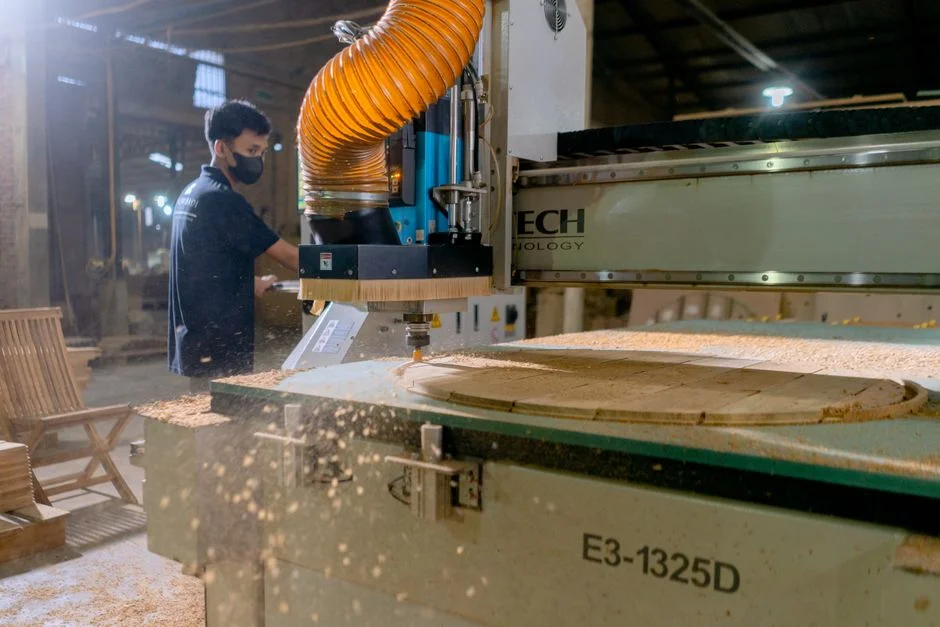
Furniture manufacturing is a high-complexity industry characterized by intricate bills of materials (BOMs), volatile raw material costs, and the need for tight integration between design, inventory, and shop-floor execution. Many manufacturers struggle with off-the-shelf ERP systems that fail to account for the unique requirements of custom furniture production—such as managing variable wood grain patterns, complex upholstery requirements, or multi-step finishing processes. Relying on rigid, generic software often leads to data silos and manual workarounds that hinder growth.
For ambitious furniture manufacturers, a custom ERP solution is no longer a luxury; it is a strategic necessity. By building a system tailored to your specific workflows, you gain the ability to manage complex supply chains, optimize production scheduling, and maintain real-time visibility into your margins. This article examines the technical and operational requirements for developing a bespoke ERP system designed to handle the realities of modern furniture manufacturing.
Why Off-the-Shelf ERP Systems Fail Furniture Manufacturers
Generic ERP platforms are designed for high-volume, standardized manufacturing. Furniture production, however, often involves a mix of build-to-order (BTO) and build-to-stock (BTS) workflows. Standard systems often struggle to handle dynamic BOMs—where a single product might have thousands of potential configurations—and the nuances of tracking lumber yields, veneer matching, or CNC machine capacity.
- Inflexible BOMs: Standard systems often force a linear structure, failing to support recursive or modular assembly components.
- Poor Shop-Floor Integration: Generic software rarely provides the granular real-time feedback loop required to track labor hours per furniture piece during complex assembly.
- Inventory Complexity: Tracking raw materials like leather hides or specific lumber grades requires specialized units of measure that standard systems struggle to map.
When software dictates how your shop operates rather than supporting it, you lose efficiency. A custom ERP allows you to model your business logic directly into the software architecture, ensuring that your digital tools match your physical processes.
Core Modules for a Furniture Manufacturing ERP
A custom ERP for furniture must be modular, allowing for targeted development based on your most pressing operational bottlenecks. Key modules should include:
- Advanced Product Configurator: A engine that allows sales teams to build custom furniture items while validating material availability and calculating dynamic pricing based on labor and complexity.
- Material Requirements Planning (MRP): Automating procurement based on production schedules to ensure you never run out of critical hardware or kiln-dried wood.
- Shop-Floor Management (MES): Tracking production status in real-time, including CNC run times, upholstery labor, and quality control checkpoints.
- Integrated Financials: Connecting job-costing data directly to your general ledger for accurate margin analysis on every piece produced.
By using a modular architecture, you can deploy the most critical components first—such as inventory and production scheduling—before scaling to complex CRM or HR features.
Technical Architecture and Technology Stack
Choosing the right stack is critical for performance and security. For a modern, web-based ERP, we recommend a robust, scalable architecture that separates the frontend interface from the complex business logic.
- Backend: Laravel (PHP) provides an exceptionally stable and feature-rich framework for handling complex business logic, background queues for heavy calculations, and secure API endpoints.
- Frontend: Next.js (React) offers a high-performance dashboard experience, enabling real-time data visualization and a responsive interface that works on tablets at the shop-floor level.
- Database: MySQL or PostgreSQL provides the relational integrity required to manage complex associations between BOMs, clients, and inventory.
- Infrastructure: Containerized deployment via Docker allows for consistent environments, making it easier to scale as your manufacturing output increases.
Using these technologies ensures your ERP is maintainable, secure, and capable of integrating with third-party tools like CAD software or accounting platforms via REST APIs.
Data Integrity and Master Data Management
In furniture manufacturing, your data is your most valuable asset. If your material costs, labor rates, or product dimensions are inaccurate, your margins will vanish. A custom ERP implementation must prioritize Master Data Management (MDM).
You must establish a single source of truth for all components. When a designer updates a blueprint, the ERP should automatically update the BOM across all active production orders. This prevents the common issue of ‘version drift’ where shop-floor workers build from outdated specifications. Implementing strict validation rules at the data entry level ensures that only accurate, actionable information enters your production pipeline.
Security and Performance Considerations
Your ERP will house sensitive pricing, client lists, and intellectual property (proprietary designs). Security must be designed into the system from day one, not bolted on later. This includes role-based access control (RBAC) to ensure shop-floor staff only see production instructions, while finance teams manage sensitive cost data.
Performance is equally vital. A dashboard that takes ten seconds to load inventory levels is a productivity killer. By utilizing server-side rendering and efficient database indexing (especially for complex BOM lookups), you ensure that your team remains fast and productive. Regular security audits and automated testing for your API endpoints are mandatory to prevent unauthorized data access.
The Tradeoff: Custom Development vs. Subscription Fees
The primary tradeoff in building a custom ERP is the balance between upfront investment and long-term flexibility. Custom development requires a significant initial capital outlay and dedicated time for discovery, design, and testing. However, it removes the burden of recurring per-user licensing fees and the ‘feature-bloat’ tax of generic software.
If your manufacturing processes are standard and unlikely to change, an off-the-shelf solution may be more cost-effective. But if you have a competitive advantage built on unique craftsmanship, complex customization, or proprietary logistics, custom development will pay for itself by reducing operational overhead and enabling growth that standard software would stifle.
Factors That Affect Development Cost
- Scope of integrated modules
- Complexity of bill of materials logic
- Requirements for legacy data migration
- Number of hardware integrations (e.g., CNC machines)
- User role complexity and permissions
Costs vary significantly based on the breadth of features and the complexity of the production workflows being automated.
Frequently Asked Questions
What ERP does Ikea use?
Ikea utilizes a highly customized, enterprise-grade ERP architecture that has been evolved over decades to manage its global supply chain, internal logistics, and massive retail operations. It is not a single off-the-shelf product but a deeply integrated ecosystem of proprietary and third-party systems.
What software is best for furniture design?
The best software for furniture design typically includes CAD/CAM tools like AutoCAD, SolidWorks, or Rhino, which allow for precise 3D modeling and structural planning. These design files should ideally integrate with your ERP system to automatically generate BOMs and production requirements.
What are the top 3 ERP systems?
The top 3 ERP systems are generally considered to be SAP, Oracle NetSuite, and Microsoft Dynamics 365. These are massive, versatile platforms, though they often require extensive customization to meet the specific needs of specialized industries like custom furniture manufacturing.
What are the four types of ERP?
The four types of ERP are typically classified by their deployment model: On-Premise, Cloud-based (SaaS), Hybrid, and Open-source. Each has different implications for data control, maintenance, and initial cost.
Developing a custom ERP for furniture manufacturing is a significant project, but it is the most effective way to gain total control over your production pipeline. By building a system that reflects your exact requirements, you eliminate manual errors, improve margin visibility, and create a scalable foundation for your business.
At NR Studio, we specialize in building high-performance, custom software solutions for manufacturers who refuse to compromise on their operational efficiency. If you are ready to move beyond the limitations of generic tools, contact us to discuss how we can architect a system tailored to your production needs.
Ready to Build a Custom Solution?
NR Studio specializes in custom software built around your workflow. Tell us what you’re building and we’ll walk through your options together.