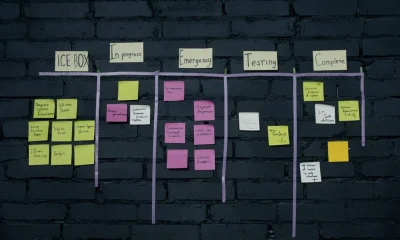

A common misconception in software development is that quality equates solely to the absence of bugs. In reality, quality in software development encompasses a system’s fitness for purpose, its maintainability, adaptability, security, and overall value delivered to stakeholders over its entire lifecycle. It is a multi-dimensional attribute achieved through intentional engineering practices, robust architectural design, and a culture of continuous improvement.
Achieving high software quality is not an accidental outcome; it is the direct result of deliberate decisions made at every stage of the software development lifecycle. This includes everything from initial requirements gathering and architectural design to implementation, testing, deployment, and ongoing maintenance. For organizations seeking to build resilient, high-performing systems, understanding and systematically integrating quality assurance into their processes is paramount.
As Solutions Consultants, we observe that organizations frequently underestimate the long-term impact of neglecting quality. The technical debt accumulated from rushed development or inadequate practices can severely hinder future innovation, increase operational costs, and erode user trust. This deep dive explores the foundational principles and engineering practices essential for building software that not only functions correctly but also truly delivers lasting value.
Defining Software Quality: Beyond Bug Counts
Software quality is a complex, multifaceted concept that extends far beyond merely counting defects. While a system free of critical bugs is a fundamental expectation, true quality encompasses a broader set of attributes that determine its long-term success and utility. From a consulting perspective, we guide clients to understand quality through the lens of international standards and practical operational metrics, ensuring a holistic view.
The ISO/IEC 25010 standard, also known as SQuaRE (System and Software Quality Requirements and Evaluation), provides a comprehensive framework for understanding software product quality. It categorizes quality into eight key characteristics, each with sub-characteristics:
- Functional Suitability: The degree to which a product or system provides functions that meet stated and implied needs when used under specified conditions. This includes functional completeness, correctness, and appropriateness.
- Performance Efficiency: Performance relative to the amount of resources used. This covers time behavior (response times, throughput), resource utilization (CPU, memory, disk I/O), and capacity.
- Compatibility: The degree to which a product, system, or component can exchange information with other products, systems, or components, and/or perform its required functions while sharing the same hardware or software environment. This includes co-existence and interoperability.
- Usability: The degree to which a product or system can be used by specified users to achieve specified goals with effectiveness, efficiency, and satisfaction in a specified context of use. This covers learnability, user error protection, user interface aesthetics, and accessibility.
- Reliability: The degree to which a system, product, or component performs specified functions under specified conditions for a specified period of time. This includes maturity, availability, fault tolerance, and recoverability.
- Security: The degree to which a product or system protects information and data so that persons or other products or systems have the degree of data access appropriate to their types and levels of authorization. This covers confidentiality, integrity, non-repudiation, accountability, and authenticity.
- Maintainability: The degree to which a product or system can be modified effectively and efficiently. This includes modularity, reusability, analyzability, modifiability, and testability.
- Portability: The degree to which a system, product, or component can be transferred from one hardware, software, or other operational environment to another. This includes adaptability, installability, replaceability.
Each of these characteristics carries significant weight, and their relative importance varies depending on the specific domain and business objectives. For instance, a financial trading platform will prioritize security and performance efficiency, whereas an educational application might emphasize usability and functional suitability. A consultant’s role often involves facilitating discussions to explicitly define and prioritize these quality attributes early in the project lifecycle, often through the creation of quality attribute scenarios.
Beyond these technical definitions, quality also has a crucial user-centric dimension. A system might be architecturally sound and technically robust, but if it fails to meet user expectations or solve their underlying problems, its quality is diminished. This necessitates continuous feedback loops, user acceptance testing, and a product-centric mindset throughout development. Ultimately, software quality is about delivering sustainable value, minimizing technical debt, and ensuring the system remains adaptable to future needs and changes.
Architectural Foundations for Quality: Design Principles and Patterns
The long-term quality of a software system is fundamentally determined by its underlying architecture and adherence to sound design principles. Architectural decisions made early in a project have profound and lasting impacts on maintainability, scalability, performance, and security. As Solutions Consultants, we consistently emphasize that investing in thoughtful architectural design is a critical precursor to achieving sustainable quality.
Core to robust architecture are principles like the SOLID principles: Single Responsibility, Open/Closed, Liskov Substitution, Interface Segregation, and Dependency Inversion. Adhering to these principles promotes modularity, testability, and flexibility within the codebase. For example, the Single Responsibility Principle (SRP) dictates that a class or module should have only one reason to change, which significantly reduces the impact of modifications and simplifies testing. Similarly, the Open/Closed Principle (OCP) encourages designing entities that are open for extension but closed for modification, allowing new functionality to be added without altering existing, tested code.
Beyond individual code units, overarching architectural patterns guide the structure of entire systems. Common patterns include:
- Monolithic Architecture: A single, unified codebase where all components are tightly coupled. While simpler to develop initially, it can become challenging to scale and maintain as complexity grows.
- Microservices Architecture: A collection of small, independent services communicating via APIs. This offers greater flexibility, scalability, and resilience but introduces complexities in deployment, monitoring, and data consistency.
- Event-Driven Architecture: Components communicate through events, promoting loose coupling and enabling asynchronous processing. This is particularly effective for systems requiring high scalability and responsiveness, such as IoT platforms or real-time data processing.
- Layered Architecture: Organizes code into distinct layers (e.g., presentation, business logic, data access), enforcing separation of concerns and improving maintainability.
The choice of architectural style involves significant trade-offs, which directly impact various quality attributes. For example, a microservices architecture might enhance scalability and fault isolation but can complicate software design paradigms and increase operational overhead. Conversely, a well-structured monolith might be easier to manage for smaller teams but could become a bottleneck for rapid feature development or extreme scaling requirements. Consider the following comparison:
| Quality Attribute | Monolithic Architecture | Microservices Architecture |
|---|---|---|
| Maintainability | Can be low for large monoliths; high for smaller, well-designed ones. | High due to smaller, focused services; can be complex with inter-service communication. |
| Scalability | Scales as a whole; difficult to scale individual components. | Independent scaling of services; highly flexible. |
| Reliability | Failure in one component can bring down the entire system. | Fault isolation; failure in one service does not necessarily affect others. |
| Performance | Potentially higher due to in-process communication; can degrade with overall system load. | Can be high with optimized inter-service communication; potential overhead from network calls. |
| Security | Single attack surface; easier to manage security policies centrally. | Distributed attack surface; more complex to manage consistent security across services. |
| Testability | Can be complex to test the entire system; unit testing is straightforward. | Easier to test individual services; integration testing across services is complex. |
Furthermore, the adoption of Domain-Driven Design (DDD) helps align software architecture with business domain models, leading to more understandable and maintainable systems. By clearly defining bounded contexts and aggregates, DDD ensures that the software accurately reflects the business’s complexities, reducing ambiguity and improving communication between domain experts and developers. These architectural choices are not merely technical preferences; they are strategic business decisions that dictate the long-term viability and success of the software product.
Establishing a Quality-First Development Culture: People and Processes
While technical practices are essential, a truly high-quality software product emerges from a quality-first development culture. This culture is characterized by shared responsibility, continuous learning, transparency, and a commitment to excellence at every level of the organization. As Solutions Consultants, we often find that the most significant barriers to quality are not technical, but organizational and cultural.
Team Collaboration and Shared Ownership: A quality-first culture fosters an environment where quality is everyone’s responsibility, not just the QA team’s. This involves cross-functional teams collaborating closely, sharing knowledge, and providing constructive feedback. Collaborative practices like pair programming or mob programming can significantly enhance code quality by distributing knowledge and catching issues early. When developers feel a shared sense of ownership over the product, they are more likely to invest in the details that contribute to overall quality.
Code Reviews and Peer Feedback: Formal and informal code reviews are indispensable for maintaining code quality. They serve multiple purposes: identifying defects, ensuring adherence to coding standards, spreading knowledge, and mentoring junior developers. Effective code reviews are not about finding fault, but about collective improvement. Establishing clear guidelines for code reviews, focusing on constructive feedback, and integrating them seamlessly into the development workflow are critical. Tools like GitHub, GitLab, or Bitbucket provide robust features for managing pull requests and code review workflows, making them an integral part of the development process.
Documentation as a Quality Enabler: Comprehensive and up-to-date documentation is a cornerstone of maintainable software. This includes architectural decision records (ADRs), API specifications (e.g., OpenAPI), system design documents, and user guides. The practice of Docs-as-Code, where documentation is treated like source code, version-controlled, and subject to review, ensures its accuracy and consistency. Clear documentation reduces onboarding time for new team members, facilitates troubleshooting, and minimizes reliance on individual knowledge silos. This is particularly important for complex systems or distributed teams, where tribal knowledge can become a significant bottleneck to quality and productivity.
Continuous Learning and Skill Development: A quality-first culture invests in its people. Providing opportunities for continuous learning, training on new technologies, design patterns, and quality assurance techniques empowers developers to build better software. This also includes fostering a growth mindset where mistakes are seen as learning opportunities rather than failures, encouraging experimentation and innovation within a controlled framework. Regular tech talks, workshops, and access to educational resources contribute significantly to elevating the team’s collective skill set.
Psychological Safety: Teams perform best when members feel safe to voice concerns, admit mistakes, and propose alternative solutions without fear of retribution. Psychological safety is crucial for effective code reviews, incident post-mortems, and candid discussions about technical debt. Without it, issues can be hidden or ignored, leading to a degradation of quality over time. Leaders play a vital role in cultivating this environment by demonstrating humility, curiosity, and respect.
By integrating these cultural and procedural elements, organizations can shift from a reactive defect-fixing approach to a proactive quality-building mindset, leading to more robust, reliable, and sustainable software products.
Implementing Quality Assurance Practices: From Unit to User Acceptance Testing
Quality assurance (QA) is not a single activity but a comprehensive set of processes and practices integrated throughout the software development lifecycle to ensure that the final product meets specified requirements and user expectations. A robust QA strategy involves multiple layers of testing, each designed to catch different types of defects at various stages of development. For any software project, particularly large-scale enterprise systems, a multi-faceted testing approach is non-negotiable.
Unit Testing: This is the most granular level of testing, focusing on individual components or functions of the codebase in isolation. Developers write unit tests to verify that each small piece of code performs as expected. Frameworks like Jest for JavaScript, PHPUnit for PHP, or JUnit for Java are commonly used. Unit tests are typically automated, fast to execute, and provide immediate feedback, making them crucial for identifying defects early and enabling continuous integration. Adherence to function point software engineering principles often benefits from clear, testable units.
// Example: Jest unit test for a simple addition function
function add(a, b) {
    return a + b;
}

describe('add function', () => {
    test('should return the sum of two positive numbers', () => {
        expect(add(1, 2)).toBe(3);
    });

    test('should return the sum of a positive and a negative number', () => {
        expect(add(5, -3)).toBe(2);
    });

    test('should return zero when adding zero', () => {
        expect(add(0, 0)).toBe(0);
    });
});
Integration Testing: Once individual units are tested, integration testing verifies that different modules or services work together correctly. This level of testing identifies issues that arise from interactions between components, such as incorrect API calls, data formatting mismatches, or communication protocol errors. Integration tests are vital in distributed systems, where multiple services must interoperate seamlessly.
System Testing: This evaluates the complete and integrated software system against the specified requirements. It assesses the system’s overall functionality, performance, security, and usability. System testing often involves testing the system in an environment that closely mimics production conditions, including interactions with external systems and databases.
Performance Testing: This specialized type of testing evaluates how a system behaves under various loads. It includes load testing (assessing performance under expected load), stress testing (evaluating behavior under extreme, unexpected load), and scalability testing (determining the system’s ability to handle increasing user or data volumes). Tools like JMeter, LoadRunner, or k6 are commonly employed for performance testing. Identifying performance bottlenecks early is critical for systems with high traffic demands.
Security Testing: This focuses on identifying vulnerabilities and weaknesses in the system that could be exploited by malicious actors. It includes penetration testing, vulnerability scanning, and security audits. Given the increasing threat landscape, integrating security testing throughout the development lifecycle, often as part of a DevSecOps approach, is essential.
User Acceptance Testing (UAT): UAT is the final phase of testing, performed by end-users or client representatives to confirm that the system meets their business needs and requirements in a real-world scenario. UAT is crucial for validating that the software solves the intended problem and is fit for deployment. Feedback from UAT often leads to final adjustments before release.
Automating these testing phases as much as possible, particularly unit and integration tests, is key to maintaining velocity and quality. Automated tests provide a safety net for refactoring and new feature development, ensuring that changes do not introduce regressions. Coupled with continuous integration and continuous delivery (CI/CD) pipelines, automated testing forms the backbone of a modern quality assurance strategy, allowing for rapid, reliable deployments.
Leveraging CI/CD and DevOps for Continuous Quality Improvement
Continuous Integration (CI), Continuous Delivery (CD), and DevOps practices are not just about accelerating deployment cycles; they are fundamental enablers of continuous quality improvement in modern software development. By integrating development, operations, and quality assurance functions, organizations can establish feedback loops that identify and address quality issues much earlier and more frequently in the development process. This paradigm shift moves away from a gate-based, end-of-cycle QA model to one where quality is built-in from the outset.
Continuous Integration (CI): CI is a development practice where developers frequently integrate their code changes into a central repository, typically several times a day. Each integration is then verified by an automated build and automated tests. The primary goal of CI is to detect integration errors as quickly as possible. When a build or test fails, the team is immediately alerted, allowing them to address the issue before it propagates and becomes more complex to resolve. This significantly reduces the time and effort required for debugging and ensures that the codebase remains in a consistently working state. Tools like Jenkins, GitLab CI/CD, GitHub Actions, or CircleCI automate this process, running linters, static analysis, and unit/integration tests on every commit or pull request. This proactive approach to integration minimizes the risk of large, difficult-to-resolve merge conflicts and integration bugs that often plague less frequent integration models.
Continuous Delivery (CD): Building upon CI, Continuous Delivery ensures that code changes are automatically built, tested, and prepared for release to production. This means that at any point, the codebase is in a deployable state, ready to be released with a push of a button. CD pipelines often include additional automated stages such as performance testing, security scanning, and user interface (UI) testing, further validating the quality of the release candidate. The ability to release frequently and reliably means that smaller changes are deployed more often, reducing the risk associated with each deployment and making it easier to pinpoint the source of any issues that might arise. This also allows for faster feedback from end-users, which is invaluable for product iteration and quality refinement.
DevOps Philosophy: DevOps extends CI/CD by fostering collaboration and communication between development and operations teams. It emphasizes automation, measurement, and shared responsibility across the entire software lifecycle. From a quality perspective, DevOps promotes practices like:
- Infrastructure as Code (IaC): Managing and provisioning infrastructure through code (e.g., Terraform, AWS CloudFormation) ensures consistent and reproducible environments, eliminating configuration drift that can lead to quality issues.
- Monitoring and Observability: Implementing robust monitoring, logging, and tracing (e.g., Prometheus, Grafana, ELK Stack) provides real-time insights into system health and performance in production. This allows teams to quickly detect, diagnose, and resolve issues, minimizing downtime and impact on users.
- Blameless Post-mortems: When incidents occur, DevOps encourages blameless post-mortems to identify systemic weaknesses and learn from failures, rather than assigning blame. This fosters a culture of continuous improvement and prevents recurrence of similar quality issues.
By embedding quality checks and feedback loops throughout the entire CI/CD pipeline, and by breaking down silos between development and operations, organizations can achieve a state of continuous quality. This not only results in more stable and reliable software but also significantly improves development velocity and responsiveness to market demands. It’s a strategic imperative for any organization aiming for high-quality software at speed.
The Role of Static Analysis and Code Linting in Proactive Quality
While dynamic testing methods like unit and integration tests are crucial for verifying runtime behavior, static analysis and code linting offer a powerful proactive approach to quality by identifying potential issues before the code is even executed. These automated tools examine source code without running it, helping to enforce coding standards, detect common errors, and highlight potential security vulnerabilities or performance bottlenecks. Integrating these tools into the development workflow is a fundamental step toward building high-quality software efficiently.
Static Analysis: Static analysis tools analyze code for various quality attributes, including:
- Coding Standard Violations: Ensuring consistency in formatting, naming conventions, and code structure (e.g., indentations, brace styles).
- Potential Bugs and Errors: Detecting common programming mistakes such as null pointer dereferences, uninitialized variables, unreachable code, resource leaks, or logical errors that might not be caught by basic unit tests.
- Security Vulnerabilities: Identifying common security flaws like SQL injection possibilities, cross-site scripting (XSS) vulnerabilities, or insecure cryptographic practices.
- Code Complexity Metrics: Measuring metrics like cyclomatic complexity, which can indicate areas of code that are difficult to understand, test, or maintain. High complexity often correlates with a higher likelihood of defects.
- Performance Anti-patterns: Pointing out inefficient code constructs or resource-intensive operations that could lead to performance issues.
Popular static analysis tools include SonarQube (multi-language), ESLint (JavaScript), PHPStan (PHP), Pylint (Python), and Checkstyle (Java). These tools can be configured with custom rulesets to align with an organization’s specific coding guidelines and best practices. Integrating them into a CI/CD pipeline ensures that every code change is automatically scrutinized, providing immediate feedback to developers.
Code Linting: Linting is a specific form of static analysis primarily focused on stylistic issues, potential syntax errors, and adherence to predefined coding standards. Linters help maintain a consistent codebase, which is vital for team collaboration and long-term maintainability. While static analysis often delves deeper into semantic and structural issues, linters provide quick, actionable feedback on code style and potential pitfalls. For example, a JavaScript linter might warn about unused variables, undeclared variables, or inconsistent use of quotes. A well-configured linter can significantly reduce the cognitive load during code reviews by automating the detection of superficial issues, allowing human reviewers to focus on architectural concerns and business logic.
// Example: ESLint configuration snippet for a React project
module.exports = {
    env: {
        browser: true,
        es2021: true,
        node: true
    },
    extends: [
        'eslint:recommended',
        'plugin:react/recommended',
        'plugin:@typescript-eslint/recommended'
    ],
    parser: '@typescript-eslint/parser',
    parserOptions: {
        ecmaFeatures: {
            jsx: true
        },
        ecmaVersion: 12,
        sourceType: 'module'
    },
    plugins: [
        'react',
        '@typescript-eslint'
    ],
    rules: {
        'indent': ['error', 4], // Enforce 4-space indentation
        'linebreak-style': ['error', 'unix'],
        'quotes': ['error', 'single'],
        'semi': ['error', 'always'],
        'no-unused-vars': ['warn', { 'argsIgnorePattern': '^_' }], // Warn on unused vars, ignore args starting with _
        'react/prop-types': 'off' // Disable prop-types validation for TypeScript projects
    },
    settings: {
        react: {
            version: 'detect'
        }
    }
};
The benefits of integrating static analysis and linting are substantial:
- Early Defect Detection: Catching issues during development is significantly cheaper and easier than finding them in testing or, worse, in production.
- Improved Code Consistency: Ensures all team members adhere to the same coding standards, making the codebase more readable and maintainable.
- Enhanced Security: Proactively identifies potential security vulnerabilities before they are deployed.
- Knowledge Transfer: Helps junior developers learn best practices and avoid common mistakes.
- Reduced Technical Debt: Prevents the accumulation of poorly structured or error-prone code.
By automating these checks, development teams can shift left on quality, integrating it directly into the coding process rather than as a post-development activity. This proactive stance is crucial for building and maintaining high-quality software systems at scale.
Managing Technical Debt: A Key Aspect of Long-Term Quality
Technical debt, a metaphor introduced by Ward Cunningham, describes the implied cost of additional rework caused by choosing an easy, limited solution now instead of using a better approach that would take longer. Just like financial debt, technical debt can accrue interest, making future development slower and more expensive. Effectively managing technical debt is a critical component of maintaining long-term software quality and ensuring the system remains adaptable and performant.
Technical debt isn’t inherently bad; sometimes, incurring a strategic debt is necessary to meet urgent market demands or validate a product idea quickly. However, unmanaged or accidental technical debt, often resulting from poor design, rushed implementations, or insufficient testing, can severely degrade software quality over time. It manifests as:
- Decreased Maintainability: Complex, poorly structured code becomes difficult to understand, modify, and extend, leading to longer development cycles for new features and more bugs.
- Increased Defect Rate: Fragile codebases are more prone to new defects when changes are introduced.
- Reduced Performance: Suboptimal implementations can lead to performance bottlenecks that impact user experience and operational costs.
- Developer Dissatisfaction: Working with a tangled, debt-ridden codebase can be demotivating for developers, potentially leading to burnout and high turnover.
Effective management of technical debt requires a multi-pronged approach:
- Identify and Quantify: The first step is to systematically identify where technical debt exists. Tools for static analysis and code complexity metrics (as discussed previously) can help. Regular code audits, architectural reviews, and developer feedback are also crucial. Quantifying the impact of debt, perhaps by estimating the extra time spent on maintenance or bug fixing due to specific issues, helps in prioritizing.
- Prioritize and Plan: Not all technical debt needs to be addressed immediately. Prioritization should be based on impact (how much it hinders development, introduces risk, or affects users) and feasibility. Technical debt items should be treated like any other feature or bug, added to the backlog, and prioritized against new development. Teams might allocate a small percentage of each sprint (e.g., 10-20%) to address technical debt.
- Refactor Continuously: Small, incremental refactorings are often more effective than large, disruptive rewrite projects. Encouraging developers to leave the code cleaner than they found it, a principle often called the ‘Boy Scout Rule,’ helps chip away at debt continuously. This requires a solid suite of automated tests to ensure that refactoring does not introduce regressions.
- Architectural Decision Records (ADRs): Documenting architectural decisions, including the trade-offs considered and the reasons for choosing a particular path, can help prevent future technical debt. ADRs provide context and rationale for design choices, making it easier for future teams to understand the system’s evolution and maintain its integrity.
- Invest in Automation: Robust CI/CD pipelines, automated testing, and comprehensive monitoring reduce the likelihood of new technical debt being introduced and help detect existing issues more quickly. By ensuring that the foundational software engineering methods are sound, you build a resilient system.
- Foster a Culture of Quality: As discussed, a culture that values quality and continuous improvement will naturally resist the accumulation of unmanaged technical debt. This involves open discussions about debt, clear communication of its impact, and leadership support for addressing it.
Ignoring technical debt is akin to deferring maintenance on a complex machine; eventually, it will break down, or its operational costs will become prohibitive. Proactive management of technical debt is an investment in the long-term health, agility, and overall quality of a software system.
Ensuring Data Quality and Integrity for Reliable Systems
In an era driven by data, the quality and integrity of information processed and stored by software systems are paramount to overall system quality. A software application, no matter how well-coded or architected, cannot deliver value if the data it operates on is inaccurate, inconsistent, or compromised. As Solutions Consultants, we regularly encounter situations where data quality issues undermine even the most sophisticated systems, leading to incorrect decisions, operational inefficiencies, and eroded user trust.
Defining Data Quality: Data quality refers to the overall utility of a dataset for its intended purpose. Key dimensions of data quality include:
- Accuracy: Data reflects the real-world facts it is intended to represent.
- Completeness: All required data is present and not missing.
- Consistency: Data values are consistent across different systems and over time, adhering to defined rules.
- Timeliness: Data is available when needed and represents the current state of affairs.
- Validity: Data conforms to predefined formats, types, and ranges.
- Uniqueness: No duplicate records exist where they should not.
Mechanisms for Ensuring Data Quality:
- Data Validation: Implementing robust validation rules at the point of data entry, API ingestion, and database storage. This includes type checking, format validation (e.g., regex for email), range checks, and referential integrity constraints.
- Database Design and Normalization: A well-designed database schema, adhering to normalization principles, minimizes data redundancy and improves data integrity. Proper use of primary and foreign keys enforces relationships and prevents orphaned records.
- Data Cleansing and Standardization: Processes to identify and correct erroneous, incomplete, or inconsistent data. This can involve automated scripts or manual review. Standardization ensures data conforms to a common format (e.g., address standardization).
- Data Governance Policies: Establishing clear policies and procedures for data ownership, access, usage, and retention. This ensures accountability and promotes a consistent approach to data management across the organization.
- Auditing and Logging: Implementing comprehensive auditing and logging mechanisms to track changes to critical data. This provides an immutable record of who changed what, when, and why, which is essential for compliance, debugging, and maintaining data integrity.
- Backup and Recovery Strategies: Robust backup and disaster recovery plans are crucial for protecting data against loss or corruption. Regular testing of these plans ensures they are effective when needed.
- Data Migration Strategies: During system migrations or integrations, careful planning and execution of data migration are critical. This involves thorough data profiling, cleansing, transformation, and validation to ensure data quality is preserved and improved in the new system.
Impact of Poor Data Quality: The consequences of poor data quality can be severe:
- Incorrect Business Decisions: Decisions based on flawed data can lead to financial losses, missed opportunities, or strategic missteps.
- Operational Inefficiencies: Time spent correcting or working around bad data reduces productivity.
- Regulatory Non-compliance: Inaccurate or incomplete data can lead to violations of industry regulations (e.g., GDPR, HIPAA).
- Eroded Customer Trust: Inconsistent or incorrect customer data can damage reputation and customer relationships.
- System Failures: Unexpected data formats or values can cause application crashes or erroneous behavior.
By prioritizing data quality and implementing rigorous checks and processes, software systems can become truly reliable, providing accurate insights and supporting critical business functions effectively. It’s an often-overlooked but absolutely vital dimension of overall software quality.
The Evolution of Quality: From Waterfall to Agile and Beyond
The approach to ensuring quality in software development has evolved significantly alongside software development methodologies. Early models, like the Waterfall model, typically placed quality assurance as a distinct, often late-stage, activity. Modern agile and iterative approaches, however, embed quality throughout the entire development lifecycle, shifting from a reactive defect detection model to a proactive prevention model. Understanding this evolution is key to appreciating contemporary quality strategies.
Waterfall Model and Late-Stage QA: In the traditional Waterfall model, development progresses sequentially through distinct phases: requirements, design, implementation, testing, deployment, and maintenance. Quality assurance, primarily in the form of dedicated testing phases, occurred largely at the end of the implementation phase. This approach suffered from several drawbacks:
- Late Defect Detection: Bugs and design flaws were often discovered late in the cycle, making them expensive and time-consuming to fix. A change in requirements late in the process could necessitate significant rework across multiple preceding phases.
- Limited Feedback: Stakeholders and end-users had minimal opportunities to provide feedback until late in the project, increasing the risk of delivering a product that did not meet actual needs.
- Rigidity: The sequential nature made it difficult to adapt to changing requirements, impacting the system’s fitness for purpose.
Agile Methodologies and Integrated Quality: Agile methodologies, such as Scrum and Kanban, revolutionized the approach to quality by emphasizing iterative development, continuous feedback, and cross-functional teams. In an agile context:
- Early and Continuous Testing: Testing is integrated into every sprint. Developers write unit tests, and QA engineers work alongside developers to create automated integration and acceptance tests from the outset. This ensures that quality is verified incrementally.
- Definition of Done: Each user story or increment has a clear ‘Definition of Done’ that includes quality criteria, such as passing all tests, code reviews, and meeting specific performance benchmarks.
- Frequent Feedback Loops: Regular sprint reviews and demos involve stakeholders, providing continuous opportunities for feedback and course correction, ensuring the product evolves to meet user needs.
- Whole-Team Responsibility: Quality becomes the responsibility of the entire team, not just a dedicated QA department. Developers, BAs, and QAs collaborate closely to prevent defects rather than just finding them.
Beyond Agile: Continuous Quality and DevSecOps: The evolution continues with the adoption of DevOps and DevSecOps, which further embed quality and security into the entire value stream. This involves:
- Shift-Left Testing: Pushing testing activities as early as possible in the development pipeline, including static analysis, security scanning, and unit testing during code creation.
- Automated Quality Gates: Implementing automated checks within CI/CD pipelines that halt deployment if predefined quality thresholds (e.g., test coverage, security scan results) are not met.
- Observability: Integrating comprehensive monitoring and logging into production systems to continuously assess performance, reliability, and user experience, providing real-time feedback on actual quality in the wild.
- Security Integration: Incorporating security practices (e.g., threat modeling, static application security testing (SAST), dynamic application security testing (DAST)) into every stage of development, rather than as a post-development audit.
This journey from segregated, late-stage QA to integrated, continuous quality reflects a fundamental shift in understanding that quality is not an add-on but an intrinsic property that must be engineered into the software from inception. Modern technical consultation with a software house will always emphasize these integrated approaches.
Measuring and Monitoring Software Quality: Key Metrics and Tools
While quality can feel subjective, in software development, it must be objectively measured and continuously monitored to ensure consistent high standards. Establishing clear metrics provides actionable insights into the health of a codebase, the effectiveness of development processes, and the overall reliability of the system. Without quantifiable data, discussions about quality remain abstract and difficult to act upon. As Solutions Consultants, we help organizations define relevant metrics and implement the tools necessary for effective quality oversight.
Key metrics for measuring software quality fall into several categories:
- Code Quality Metrics:
- Code Complexity (e.g., Cyclomatic Complexity): Measures the number of independent paths through a program’s source code. High complexity often indicates code that is harder to test, maintain, and more prone to errors.
- Code Coverage: The percentage of source code executed by tests. While high coverage doesn’t guarantee quality, low coverage indicates significant untested areas.
- Technical Debt Ratio: An estimation of the cost to fix all identified technical debt, often expressed as a percentage of the total development cost.
- Duplication Density: The percentage of code that is duplicated, which can lead to maintenance headaches and introduce bugs.
- Coding Standard Violations: The number or density of issues flagged by static analysis and linting tools.
- Defect-Related Metrics:
- Defect Density: The number of defects per unit of code (e.g., per 1000 lines of code).
- Defect Escape Rate: The percentage of defects found in production that were not caught in earlier testing phases. A low escape rate indicates effective QA.
- Mean Time To Detect (MTTD): The average time it takes to identify a defect.
- Mean Time To Resolve (MTTR): The average time it takes to fix a defect once detected. Lower MTTD and MTTR indicate responsive teams and robust processes.
- Severity and Priority of Defects: Categorizing defects helps understand their impact and prioritize remediation efforts.
- Performance and Reliability Metrics:
- Response Time: The time taken for a system to respond to a user request.
- Throughput: The number of transactions or requests processed per unit of time.
- Availability/Uptime: The percentage of time a system is operational and accessible. Often expressed as ‘nines’ (e.g., 99.999% uptime).
- Error Rate: The percentage of requests that result in an error.
- Latency: The delay before a transfer of data begins following an instruction.
- User Experience (UX) Metrics:
- Task Success Rate: The percentage of users who successfully complete a specific task.
- User Satisfaction (e.g., NPS, CSAT): Qualitative measures of user happiness and loyalty.
- Engagement Metrics: How frequently and deeply users interact with the application.
Tools for Measurement and Monitoring:
- Static Analysis Tools: SonarQube, ESLint, PHPStan, Pylint, Checkstyle.
- Test Automation Frameworks: Jest, PHPUnit, JUnit, Selenium, Cypress, Playwright.
- CI/CD Platforms: Jenkins, GitLab CI/CD, GitHub Actions, CircleCI.
- Application Performance Monitoring (APM) Tools: New Relic, Datadog, Dynatrace, Prometheus, Grafana. These provide real-time insights into system performance, resource utilization, and error rates in production.
- Log Management Systems: ELK Stack (Elasticsearch, Logstash, Kibana), Splunk, Sumo Logic. These aggregate and analyze logs to identify patterns and anomalies.
- Code Review Tools: Integrated into Git platforms (GitHub, GitLab, Bitbucket) or specialized tools like Crucible.
Regularly reviewing these metrics, setting realistic targets, and establishing dashboards for visibility are crucial steps. The goal is not just to collect data but to derive actionable insights that drive continuous improvement in software quality. By making quality measurable, organizations can foster accountability and make data-driven decisions to enhance their products.
Architectural Decision Records (ADRs) and RFCs for Sustained Quality
In complex software systems, decisions regarding architecture, design, and implementation can have far-reaching implications for quality, maintainability, and future extensibility. Over time, the rationale behind these decisions can be lost, leading to confusion, inconsistent approaches, and the accumulation of technical debt. This is where Architectural Decision Records (ADRs) and Requests for Comments (RFCs) become invaluable tools for sustaining quality by documenting crucial choices and fostering collaborative decision-making.
Architectural Decision Records (ADRs): An ADR is a document that captures a significant architectural decision, its context, the options considered, the chosen solution, and the consequences of that choice. ADRs serve as a living documentation of the system’s architectural evolution. Key components of an ADR typically include:
- Title: A concise, descriptive name for the decision.
- Status: Proposed, Accepted, Superseded, or Deprecated.
- Context: The forces, problem statement, or situation that necessitated the decision. This explains ‘why’ the decision was made.
- Decision: The chosen solution or course of action. This explains ‘what’ was decided.
- Alternatives Considered: Other options that were evaluated, along with their pros and cons. This demonstrates due diligence and helps future teams understand the trade-offs.
- Consequences: The positive and negative impacts of the decision, including any known risks or technical debt incurred.
ADRs are typically stored alongside the codebase, often in a version control system like Git, making them easily discoverable and versioned with the code they influence. This practice of ‘Docs-as-Code’ ensures that documentation remains synchronized with the system’s evolution. By maintaining ADRs, teams can:
- Preserve Knowledge: Prevent the loss of institutional knowledge when team members leave.
- Facilitate Onboarding: New team members can quickly understand the rationale behind complex design choices.
- Improve Consistency: Ensure architectural patterns and solutions are applied consistently across the system.
- Aid Future Decisions: Provide a historical record that informs future architectural changes and prevents revisiting old debates.
- Reduce Technical Debt: By explicitly documenting trade-offs, teams are more aware of the technical debt they might be incurring and can plan for its repayment.
Requests for Comments (RFCs): While ADRs document decisions already made, RFCs are used to propose and discuss significant technical changes, new features, or architectural shifts before they are implemented. RFCs initiate a formal review process, inviting feedback from a broad range of stakeholders, including developers, architects, operations teams, and product managers. The typical RFC process involves:
- Proposal: A detailed document outlining the problem, proposed solution, alternatives, and potential impacts.
- Review and Discussion: The proposal is circulated for comments, questions, and constructive criticism. This often occurs asynchronously through a shared document or a dedicated forum.
- Revision: The author revises the RFC based on feedback.
- Acceptance/Rejection: A designated group (e.g., architecture review board) makes a final decision.
RFCs foster a collaborative decision-making environment, ensuring that complex changes are thoroughly vetted and that potential issues are identified and addressed early. They promote transparency, align teams, and build consensus around significant technical directions. Both ADRs and RFCs are powerful tools for embedding structured decision-making and knowledge management into the development process, which are foundational for sustaining high software quality over the long term.
Security as an Intrinsic Quality Attribute: DevSecOps and Threat Modeling
In contemporary software development, security is no longer an optional add-on or a post-development audit; it is an intrinsic and non-negotiable quality attribute. A system, no matter how functional or performant, is fundamentally flawed if it is vulnerable to attack. The shift towards DevSecOps and proactive security practices like threat modeling reflects this understanding, integrating security considerations into every stage of the software development lifecycle.
DevSecOps: Integrating Security into DevOps: DevSecOps extends the principles of DevOps by embedding security practices throughout the entire CI/CD pipeline, from initial design to deployment and operations. Its core tenets include:
- Shift-Left Security: Moving security considerations as early as possible in the development process. This means security is thought about during requirements gathering, design, and coding, rather than just before release.
- Automation: Automating security checks, scans, and tests within the CI/CD pipeline. This includes:
- Static Application Security Testing (SAST): Analyzing source code for security vulnerabilities without executing the code.
- Dynamic Application Security Testing (DAST): Testing the running application for vulnerabilities by simulating attacks.
- Software Composition Analysis (SCA): Identifying known vulnerabilities in open-source libraries and third-party components.
- Container Security Scanning: Checking Docker images and container configurations for security issues.
- Collaboration: Fostering a culture where development, security, and operations teams work together, sharing responsibility for security outcomes. Security becomes a shared concern rather than a siloed function.
- Continuous Monitoring: Implementing real-time monitoring and logging of security events in production environments to detect and respond to threats quickly.
By integrating these practices, organizations can build security into the software from its foundation, reducing the attack surface and increasing resilience against cyber threats. It ensures that security is a continuous process, not a one-time gate.
Threat Modeling: A Proactive Security Design Practice: Threat modeling is a structured process for identifying, quantifying, and mitigating potential security threats within a system or application. It’s a design-time activity that helps teams think like attackers to uncover vulnerabilities before they are coded. A common framework for threat modeling is STRIDE:
- Spoofing: Impersonating someone or something else.
- Tampering: Modifying data or code.
- Repudiation: Denying an action that occurred.
- Information Disclosure: Exposing sensitive data.
- Denial of Service (DoS): Making a system unavailable to its legitimate users.
- Elevation of Privilege: Gaining unauthorized access or capabilities.
The threat modeling process typically involves:
- Decompose the Application: Understand the system’s architecture, data flows, trust boundaries, and components.
- Identify Threats: Using frameworks like STRIDE, brainstorm potential threats against each component or data flow.
- Determine Mitigations: For each identified threat, propose security controls or design changes to reduce the risk.
- Validate: Ensure that the mitigations are effective and that no new threats have been introduced.
By conducting threat modeling early in the design phase, teams can:
- Design Security In: Build security controls into the architecture from the start, which is far more effective and less costly than retrofitting them later.
- Prioritize Security Efforts: Focus resources on the most critical threats and vulnerabilities.
- Improve Communication: Foster a shared understanding of security risks among the development team.
- Reduce Attack Surface: Identify and eliminate unnecessary functionality or data exposure.
Security is no longer a luxury; it’s a fundamental aspect of software quality that directly impacts user trust, regulatory compliance, and business continuity. Embracing DevSecOps and proactive practices like threat modeling are essential for delivering truly high-quality and resilient software systems in today’s threat landscape.
User Experience (UX) and Accessibility: Quality from the User’s Perspective
While technical robustness and code integrity are foundational, true software quality is ultimately defined by the user’s experience. A system that is technically perfect but difficult to use, inefficient, or inaccessible fails to deliver its full value. Therefore, user experience (UX) and accessibility are critical, non-negotiable dimensions of software quality, ensuring that the software is not only functional but also intuitive, efficient, and usable by the broadest possible audience.
User Experience (UX): UX encompasses all aspects of an end-user’s interaction with the company, its services, and its products. In software, a high-quality UX means the application is:
- Usable: Easy to learn and efficient to operate. Users can achieve their goals with minimal effort and without confusion.
- Useful: Solves a genuine problem or fulfills a real need for the user.
- Desirable: Aesthetically pleasing and enjoyable to interact with, fostering a positive emotional connection.
- Findable: Content and functionality are easy to locate within the interface.
- Credible: The application inspires trust and confidence in its users.
Integrating UX design early and continuously throughout the development process is crucial. This involves:
- User Research: Understanding target users, their needs, behaviors, and pain points through interviews, surveys, and observational studies.
- Persona Development: Creating archetypal users to guide design decisions and ensure the product addresses specific user needs.
- Information Architecture: Structuring and organizing content in an understandable and navigable way.
- Wireframing and Prototyping: Creating low-fidelity to high-fidelity mockups to test design concepts and gather early feedback before significant development effort is expended.
- Usability Testing: Observing real users interacting with the software to identify areas of friction or confusion.
- Iterative Design: Continuously refining the user interface and interaction patterns based on user feedback and analytical data.
A well-designed UX reduces user errors, decreases training costs, improves user satisfaction, and ultimately drives adoption and business value. Conversely, poor UX can lead to user frustration, abandonment, and negative reviews, regardless of the underlying technical quality.
Accessibility: Ensuring Inclusivity: Accessibility (often abbreviated as A11y) refers to the design and development of software products that can be used by people with the widest range of abilities, including those with disabilities. This includes visual impairments, hearing impairments, cognitive limitations, and motor skill challenges. Accessibility is not just a regulatory compliance issue; it’s a moral imperative and a significant aspect of delivering a high-quality, inclusive product.
Key principles of web and software accessibility, often guided by standards like the Web Content Accessibility Guidelines (WCAG), include:
- Perceivable: Information and user interface components must be presentable to users in ways they can perceive (e.g., providing text alternatives for non-text content, captions for audio).
- Operable: User interface components and navigation must be operable (e.g., keyboard navigation, sufficient time to complete tasks).
- Understandable: Information and the operation of user interface must be understandable (e.g., readable text, predictable functionality, input assistance).
- Robust: Content must be robust enough that it can be interpreted reliably by a wide variety of user agents, including assistive technologies.
Implementing accessibility features often involves:
- Using semantic HTML elements correctly.
- Providing appropriate ARIA attributes for dynamic content and custom controls.
- Ensuring sufficient color contrast.
- Enabling full keyboard navigation.
- Providing clear focus indicators.
- Supporting screen readers and other assistive technologies.
Ignoring accessibility limits the audience for a product and can lead to legal repercussions. More importantly, it excludes a significant portion of the population from benefiting from the software. By prioritizing UX and accessibility, software development teams ensure that their products are not only technically sound but also truly valuable and equitable for all potential users, cementing their status as high-quality solutions.
Continuous Improvement and Feedback Loops: The Iterative Path to Excellence
Achieving and sustaining high software quality is not a static goal but an ongoing, iterative process of continuous improvement. The software landscape is constantly evolving, with new technologies, changing user expectations, and emerging security threats. Therefore, a truly high-quality system is one that is designed to adapt and evolve, driven by robust feedback loops and a commitment to learning. This proactive approach ensures that quality is not just maintained, but consistently enhanced over time.
The Importance of Feedback Loops: Feedback is the lifeblood of continuous improvement. It comes from various sources and at different stages:
- Developer Feedback: During code reviews, pair programming, and daily stand-ups, developers provide immediate feedback on code structure, design choices, and potential issues.
- Automated Feedback: CI/CD pipelines provide rapid feedback from unit tests, integration tests, static analysis, and security scans. This allows developers to correct issues almost as soon as they are introduced.
- QA Feedback: Dedicated QA engineers provide detailed feedback from various testing phases, including functional, performance, and security testing.
- User Feedback: This is perhaps the most critical feedback. It comes from usability testing, beta programs, customer support channels, analytics data, and direct user interviews. Understanding how users actually interact with the software, what challenges they face, and what features they value is invaluable for guiding future development.
- Production Monitoring and Observability: Real-time data from production systems (logs, metrics, traces) provides insights into actual system performance, reliability, and error rates in the wild. This operational feedback is crucial for identifying bottlenecks, unexpected behaviors, and areas for optimization.
- Post-Mortems and Retrospectives: After incidents or at the end of sprints, teams conduct blameless post-mortems and retrospectives to analyze what went well, what could be improved, and to identify actionable steps for future iterations. This fosters a culture of learning from both successes and failures.
Implementing Continuous Improvement Cycles:
- Define Clear Goals and Metrics: As discussed in a previous section, measurable goals for quality (e.g., target defect escape rate, desired uptime, specific UX metrics) provide a clear direction for improvement.
- Prioritize and Implement Changes: Based on feedback and metrics, teams should prioritize improvements alongside new feature development. Small, frequent improvements are generally more effective than large, infrequent overhauls.
- Automate Everything Possible: Automation of testing, deployment, monitoring, and even parts of the feedback collection process (e.g., automated crash reporting) reduces manual effort and increases consistency.
- Foster a Learning Culture: Encourage experimentation, knowledge sharing, and continuous skill development. Teams should feel empowered to challenge existing processes and propose better ways of working.
- Regular Review and Adaptation: Periodically review the effectiveness of quality processes and tools. Are the current metrics still relevant? Are the feedback loops effective? Adapt processes as needed to remain aligned with evolving project and organizational goals.
The iterative nature of modern software development, coupled with a strong emphasis on feedback and continuous learning, creates a powerful engine for elevating software quality. It’s a journey, not a destination, where every iteration offers an opportunity to build a better, more resilient, and more valuable product. This commitment to ongoing refinement is what truly distinguishes high-quality software organizations.
Frequently Asked Questions
What is software quality?
Software quality refers to a system’s fitness for purpose, its maintainability, adaptability, security, and overall value delivered to stakeholders. It encompasses attributes like functional suitability, performance efficiency, usability, reliability, security, and portability, extending beyond just the absence of bugs.
How do architectural decisions impact software quality?
Architectural decisions fundamentally shape a system’s long-term quality by influencing its maintainability, scalability, performance, and security. Adhering to principles like SOLID and choosing appropriate architectural patterns (e.g., microservices, layered) directly affects how easily the system can be modified, scaled, and secured over time.
What is technical debt, and how does it affect quality?
Technical debt is the implied cost of additional rework caused by choosing an easier, limited solution now instead of a better, longer-term approach. It negatively impacts quality by decreasing maintainability, increasing defect rates, reducing performance, and making future development slower and more expensive if not managed proactively.
How does CI/CD contribute to software quality?
CI/CD (Continuous Integration/Continuous Delivery) significantly enhances software quality by enabling frequent code integration, automated testing, and rapid deployment. This allows for early detection of defects, continuous validation of the codebase, and faster feedback loops, leading to more stable and reliable software releases.
Why is user experience (UX) important for software quality?
User experience (UX) is crucial because a system, regardless of its technical perfection, fails if it’s difficult to use or doesn’t meet user needs. High-quality UX ensures the software is intuitive, efficient, and enjoyable, leading to greater user satisfaction, adoption, and ultimately, business value.
What are Architectural Decision Records (ADRs)?
Architectural Decision Records (ADRs) are documents that capture significant architectural decisions, their context, alternatives considered, the chosen solution, and its consequences. They serve as living documentation, preserving knowledge, facilitating onboarding, and ensuring consistency in architectural patterns over time.
Achieving high quality in software development is a strategic imperative, not merely a technical checkbox. It demands a holistic approach that integrates robust architectural principles, disciplined engineering practices, a pervasive quality-first culture, and continuous feedback loops. By understanding quality as a multi-dimensional construct encompassing not just functionality, but also maintainability, security, performance, and user experience, organizations can build systems that deliver sustained value.
The journey to software excellence is iterative, requiring constant vigilance, adaptation, and a commitment to improvement. For organizations seeking to develop resilient, high-performing, and adaptable software solutions, partnering with experienced professionals who prioritize these principles is essential. Contact NR Studio to build your next project with a focus on enduring quality and strategic value.
NR Studio builds custom web apps, mobile apps, SaaS platforms, and internal tools for growing businesses. If you’re working through a technical decision, feel free to reach out — no commitment required.