When architecting systems for high-traffic environments, the primary bottleneck is rarely compute capacity; it is the vulnerability of the authentication layer. As user bases scale, reliance on password-only authentication becomes a critical liability, exposing the entire infrastructure to credential stuffing, brute-force attacks, and session hijacking. Implementing Two-Factor Authentication (2FA) is no longer an optional security feature; it is an architectural requirement for any system handling sensitive data.
This guide approaches 2FA implementation from the perspective of a security engineer. We will move beyond basic concepts to address the granular technical requirements, cryptographic standards, and failure modes that often lead to compromised implementations. By following this systematic approach, you can ensure that your authentication flow adheres to modern security standards while maintaining system integrity and user accessibility.
Pre-flight Checklist: Defining the Trust Model
Before writing a single line of code, you must establish the trust model. 2FA is fundamentally about verifying possession of a second factor. You must decide between:
- TOTP (Time-based One-Time Password): The industry standard, utilizing RFC 6238.
- WebAuthn/FIDO2: The current gold standard for phishing-resistant hardware security keys.
- SMS/Email OTP: Generally discouraged due to SIM swapping and interception risks.
Your database schema must support these factors without storing raw secrets. Use secure hashing for any recovery codes and ensure that secrets for TOTP are encrypted at rest using AES-256-GCM.
Cryptographic Foundations of TOTP
TOTP relies on a shared secret generated during the registration phase. The core mechanism involves a HMAC-based One-Time Password (HOTP) combined with a time step. According to RFC 6238, the server and client must synchronize time windows to prevent desynchronization issues.
// Conceptual TOTP generation logic in PHP

$secret = Base32::decode($userSecret);

$counter = floor(time() / 30);

$hash = hash_hmac('sha1', pack('J', $counter), $secret);
Never rely on custom implementations of these algorithms. Use audited, established libraries to avoid timing side-channels.
Execution Checklist: Secure Registration Flow
The registration flow is the most common point of failure. If an attacker can intercept the secret, the 2FA is effectively bypassed.
- Generate a cryptographically secure random secret for the user.
- Present the secret via QR code over an encrypted HTTPS connection only.
- Require immediate verification of the first token before enabling 2FA for the account.
- Provide recovery codes that are hashed using Argon2id or bcrypt before storage.
Mitigating Phishing with WebAuthn
Unlike TOTP, which is susceptible to man-in-the-middle (MITM) proxy attacks, WebAuthn (FIDO2) is cryptographically bound to the origin. By using public-key cryptography, the server verifies that the challenge was signed by a private key residing on the user’s hardware.
Implementing WebAuthn requires a backend capable of handling COSE (CBOR Object Signing and Encryption) formats. Always validate the origin and rpId to prevent domain spoofing attacks.
Handling Session Management Post-Authentication
A common mistake is failing to invalidate existing sessions after enabling 2FA. When a user successfully authenticates the second factor, the system must transition the user from an ‘unverified’ state to a ‘fully authenticated’ state.
- Use a temporary session flag to track 2FA status.
- Rotate session identifiers upon successful completion.
- Implement short timeouts for the 2FA input screen to prevent session fixation.
Common Security Pitfalls and Vulnerabilities
Security engineers must be vigilant regarding the following anti-patterns:
- Lack of Rate Limiting: Failing to limit attempts allows brute-forcing of 6-digit codes.
- Insecure Secret Storage: Storing TOTP secrets in plain text in the database.
- Ignoring Clock Skew: Improper handling of time drift between client and server.
- Over-reliance on SMS: Using SMS as a primary factor when more secure alternatives exist.
Database Schema and Encryption at Rest
Your data storage must be resilient. The secret key is the ‘crown jewel’ of the user’s account security.
| Field | Storage Format |
|---|---|
| user_id | UUID |
| totp_secret | Encrypted (AES-256-GCM) |
| recovery_codes | Argon2id Hash |
| last_used_at | Timestamp |
Post-Deployment Checklist: Monitoring and Auditing
Once deployed, your work shifts to monitoring. You must log all 2FA events, including successes, failures, and recovery code usage. Alerting should trigger if an account experiences a high volume of failed 2FA attempts in a short window, as this indicates a targeted attack.
Regulatory Compliance and 2FA
Frameworks such as HIPAA, PCI-DSS, and GDPR increasingly mandate multi-factor authentication for access to sensitive data. Document your implementation process to demonstrate compliance during audits. Ensure that audit logs are immutable and stored in a separate, restricted-access environment.
Handling User Recovery and Account Lockouts
The biggest UX challenge in 2FA is account lockout. Implement a robust recovery strategy using backup codes generated at setup. Never allow recovery via email links alone, as this bypasses the security intent of 2FA. Instead, use a combination of recovery codes and a secondary identity verification process.
Scaling Authentication Services
For high-traffic applications, the authentication service should be decoupled from the core application logic. Use a dedicated service for handling token validation to reduce latency and allow for independent scaling. Ensure your caching layer (e.g., Redis) is used to track rate limits across multiple nodes.
Frequently Asked Questions
How to set up your two-factor authentication 2FA?
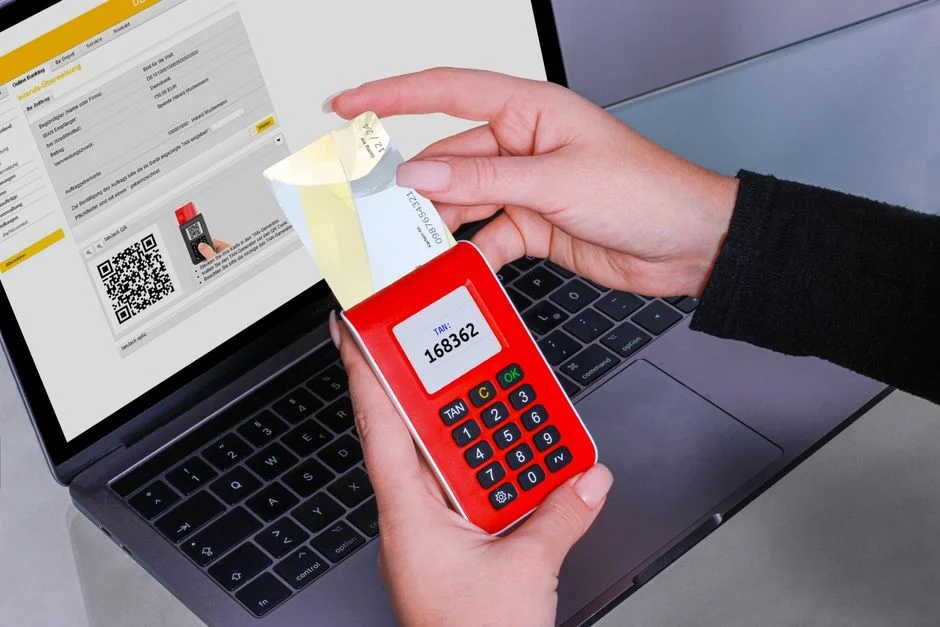
Setting up 2FA involves generating a unique secret key for the user, displaying it as a QR code, and verifying the user’s ability to produce a correct code based on that secret.
How is 2FA implemented?
It is implemented by integrating a TOTP library on the backend, creating a secure database schema for secret storage, and enforcing a secondary validation step during the login lifecycle.
Which is the strongest 2FA method?
WebAuthn (FIDO2) is considered the strongest method because it uses public-key cryptography and is cryptographically bound to the domain, making it resistant to phishing.
What are common 2FA mistakes?
Common mistakes include failing to rate-limit 2FA attempts, storing secrets in plain text, and relying solely on SMS, which is vulnerable to interception.
Implementing two-factor authentication is a rigorous exercise in balancing security controls with operational integrity. By adhering to established standards like RFC 6238 and prioritizing phishing-resistant methods like WebAuthn, you significantly reduce the attack surface of your application. The security of your users depends on the diligence of your implementation, from how you store secrets to how you handle failure states.
Maintain a defensive posture by continuously auditing your authentication logs and monitoring for anomalous behavior. As threats evolve, so too must your defensive measures, ensuring that your authentication architecture remains resilient against modern credential-based attacks.
NR Studio builds custom web apps, mobile apps, SaaS platforms, and internal tools for growing businesses. If you’re working through a technical decision, feel free to reach out — no commitment required.