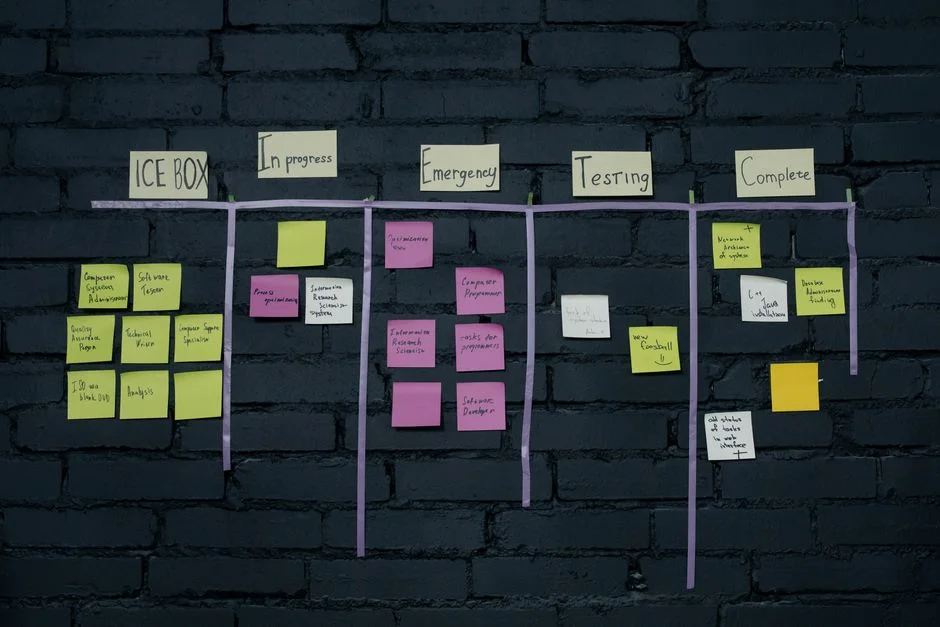
The Software Development Lifecycle, or SDLC, is the formal process used by engineering teams to design, develop, and test high-quality software. For business owners and CTOs, understanding the SDLC is not merely about project management; it is about mitigating risk, managing technical debt, and ensuring that the final product aligns with business objectives.
At its core, the SDLC provides a structured framework that moves a concept from an abstract requirement to a deployed, production-ready system. By adhering to a rigorous lifecycle, teams can identify bottlenecks early, enforce security standards, and maintain predictable delivery timelines. This article defines the standard phases of the SDLC and explains how they function in modern, high-performance environments.
The Fundamental Phases of the SDLC
While methodologies vary—ranging from traditional Waterfall to modern Agile—the core phases of the SDLC remain consistent. Each stage serves a specific purpose in building robust systems.
- Planning and Requirement Analysis: Defining the business goals, scope, and technical constraints. This is where you decide between building a custom solution or utilizing existing platforms.
- Architecture and Design: Defining the system structure, database schema, and API contracts. This stage prevents costly refactoring later.
- Development: The actual coding phase where engineers implement features using the chosen stack, such as Laravel or React.
- Testing (QA): Validating that the code meets requirements, handles edge cases, and remains secure under load.
- Deployment: Releasing the software to production environments, often using CI/CD pipelines to ensure consistency.
- Maintenance and Evolution: Monitoring performance, applying security patches, and scaling the infrastructure as user demands grow.
Methodologies: Agile vs. Waterfall
Choosing the right methodology is a critical decision that impacts budget and time-to-market. Waterfall is a linear approach where each phase must be completed before the next begins. It is suitable for projects with fixed requirements and low uncertainty, such as regulatory-compliant systems where documentation is paramount.
Conversely, Agile is iterative. It breaks projects into small, manageable sprints, allowing for continuous feedback. For most startup founders and SaaS ventures, Agile is the industry standard because it allows for pivoting based on real-world user data. However, the tradeoff is that total project costs can be harder to predict without a strictly defined scope and expert project management.
Managing Technical Debt and Scalability
A common misconception is that the SDLC ends at deployment. In reality, the maintenance phase is where the most significant costs occur. Technical debt—the cost of choosing an easy, temporary solution over a better, long-term approach—can accumulate rapidly if not monitored.
To manage this, professional teams integrate code reviews, automated testing, and continuous integration into the SDLC. By maintaining a high standard during the development phase, you ensure that the system remains scalable. As your user base grows, your architecture must be prepared to handle increased load, which often involves horizontal scaling strategies and optimized database queries.
Security as a First-Class Citizen
Security should not be an afterthought. In a modern SDLC, security is integrated into every phase—a practice often referred to as DevSecOps. During the design phase, you must consider threat modeling; during development, you must implement secure coding practices such as input validation and parameterized queries to prevent SQL injection.
Regular security audits and dependency updates are mandatory. Using outdated packages or neglecting to patch your server environment creates vulnerabilities that can be catastrophic. At NR Studio, we prioritize security by embedding rigorous testing protocols directly into our development workflows.
Cost Factors and Budget Considerations
The SDLC is a significant investment. Costs are driven by the complexity of the requirements, the seniority of the engineering team, and the choice of technology stack. For instance, a custom ERP system requires significantly more time in the architecture and design phases than a basic landing page.
When budgeting, consider that a robust SDLC reduces the long-term cost of ownership by preventing bugs and reducing the need for emergency refactoring. Investing in a thorough discovery and planning phase upfront typically saves significant resources during the development and maintenance cycles.
Decision Framework: When to Use Which Approach
To determine the best approach for your project, evaluate your project’s risk profile. If you are building a product with highly volatile requirements, choose an iterative Agile approach. If you are operating in a highly regulated industry (e.g., medical software) where compliance documentation is a legal requirement, a structured, Waterfall-influenced approach may be necessary.
Always prioritize transparency in the development process. A reputable partner will provide clear status updates, documented architecture, and a test-driven development environment. Avoid teams that promise low costs without a clear process, as this almost always leads to unfinished products and high technical debt.
Factors That Affect Development Cost
- Project complexity and scope
- Team seniority and expertise
- Methodology choice (Agile vs Waterfall)
- Technical debt and architectural requirements
- Integration complexity
Costs vary significantly based on project scale; a well-defined SDLC helps minimize long-term maintenance costs and prevent expensive refactoring.
Frequently Asked Questions
What are the 7 steps of SDLC?
The 7 steps typically include planning, requirements analysis, design, development, testing, deployment, and maintenance. These steps ensure that every aspect of the software is planned, built, validated, and supported.
How to explain SDLC in an interview?
Explain it as a structured methodology for building software that minimizes risk and ensures quality. Mention that it involves moving from initial requirements through design, coding, testing, and ultimately, long-term maintenance.
What are the 8 phases of SDLC?
While often cited as 7, some frameworks include a ‘Feasibility Study’ or ‘Project Initiation’ as a distinct 8th phase before formal requirements analysis. This phase focuses on determining if the project is viable from both a technical and financial perspective.
The SDLC is the blueprint for your business’s technical success. By treating development as a structured, repeatable process rather than a series of ad-hoc tasks, you ensure that your software is secure, scalable, and built to meet your specific business requirements.
At NR Studio, we specialize in custom software development that follows industry-leading SDLC practices. Whether you are building a new SaaS platform or scaling an existing ERP, our team provides the technical expertise and architectural rigor required to succeed. Contact us today to discuss how we can help you turn your vision into a reliable, high-performance reality.
NR Studio builds custom web apps, mobile apps, SaaS platforms, and internal tools for growing businesses. If you’re working through a technical decision, feel free to reach out — no commitment required.