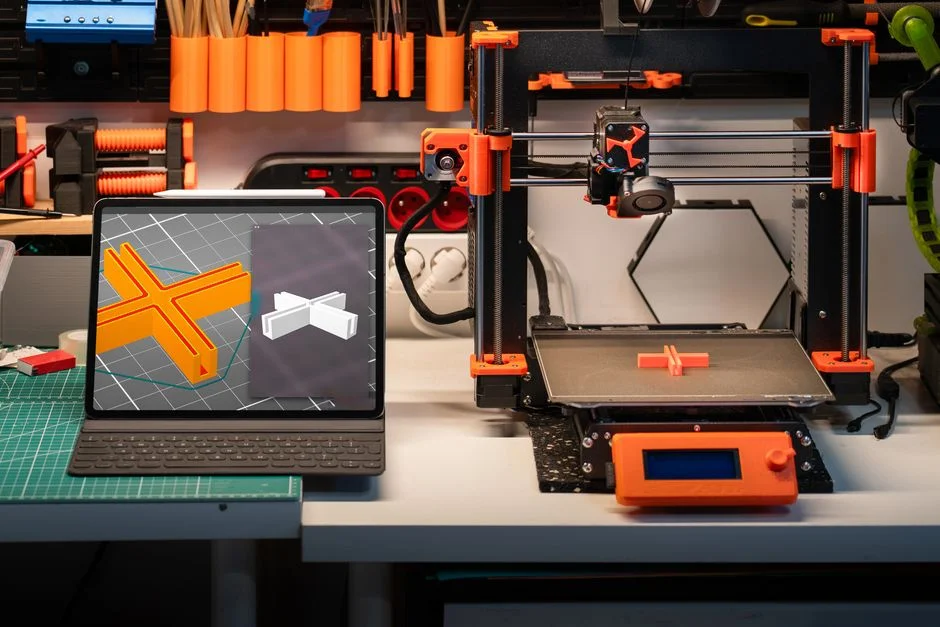

The prototype model in software engineering is an iterative development approach where a preliminary, working version of a system is built to gather early feedback, clarify requirements, and validate design choices before committing to a full-scale implementation. This model prioritizes early user interaction and continuous refinement, significantly reducing project risk and ensuring alignment with stakeholder expectations.
Consider constructing a custom home. Instead of immediately pouring the foundation and erecting walls based solely on blueprints, a wise builder might first create a detailed 3D model or even a small-scale physical mock-up of key areas like the kitchen or living room. This “prototype” allows the homeowner to walk through the space virtually, suggest changes to layouts, materials, or fixtures, and visualize the final product long before significant resources are committed to construction. This iterative feedback loop prevents costly rework later, ensuring the final home truly meets the owner’s vision and functional needs.
Similarly, in software development, the prototype model serves as a crucial mechanism for de-risking complex projects. It enables technical leadership to validate core assumptions, test user experience flows, and assess technical feasibility with minimal investment, ultimately safeguarding budget, accelerating time-to-market, and enhancing the quality of the final product.
Core Principles of the Prototype Model
The prototype model in software engineering operates on several fundamental principles designed to mitigate risk and improve project outcomes. At its core, it emphasizes iterative development, user involvement, and early validation. Unlike traditional waterfall methodologies that progress linearly through distinct phases, prototyping introduces cycles of design, build, evaluation, and refinement, allowing for continuous adaptation.
One primary principle is **early and continuous stakeholder involvement**. By presenting a tangible, albeit incomplete, version of the software, stakeholders can interact with the system and provide concrete feedback. This interaction is invaluable because it translates abstract requirements into practical observations, uncovering misunderstandings or overlooked needs that might otherwise surface much later in the development lifecycle. This early engagement ensures that the final product aligns closely with business objectives and user expectations, reducing the likelihood of costly rework or project abandonment.
Another key principle is **risk reduction through incremental learning**. Complex software projects inherently carry significant risks, particularly when requirements are vague or technology choices are novel. Prototyping allows teams to test critical assumptions and technical feasibility early on. For instance, if a project relies on a nascent API or an unfamiliar database technology, a prototype can validate its integration and performance characteristics. This proactive identification of potential roadblocks enables engineering teams to pivot or adjust strategies before substantial resources are invested, thereby minimizing financial and schedule overruns. This risk mitigation extends to user acceptance, as usability issues or critical feature gaps can be identified and addressed when changes are still relatively inexpensive.
The principle of **iterative refinement** is central to the prototype model’s effectiveness. A prototype is not intended to be a perfect, production-ready system; rather, it is a learning tool. Each iteration refines the understanding of requirements, improves the design, and hones the functionality. This continuous cycle ensures that the product evolves based on real-world feedback rather than static documentation. From a CTO’s perspective, this means a more resilient development process, capable of adapting to changing market conditions or evolving business strategies. It also provides a clear mechanism for demonstrating progress to non-technical stakeholders, building confidence and maintaining project momentum.
Finally, the prototype model adheres to the principle of **focus on key functionalities**. Initial prototypes typically concentrate on core features or the most critical aspects of the user experience. This strategic focus ensures that the most impactful elements are validated first, providing maximum value early in the project. It prevents teams from getting bogged down in minor details before the fundamental design is sound. This approach is particularly beneficial for startups or projects with tight deadlines, as it delivers tangible value quickly and facilitates early market testing, which can be critical for securing further investment or achieving initial market traction.
Business Value and Risk Mitigation with Prototyping
From a strategic business perspective, the prototype model offers compelling advantages in terms of value delivery and risk mitigation. For CTOs, understanding these benefits is crucial for advocating its adoption and integrating it effectively into the software development lifecycle. The primary business value stems from its ability to align technical development with overarching business goals, ensuring that resources are invested in solutions that truly address market needs and deliver competitive advantage.
One significant business value is **enhanced stakeholder alignment and reduced miscommunication**. In any complex software project, bridging the gap between business vision and technical implementation is a perennial challenge. Prototypes provide a common, tangible artifact that all stakeholders, technical and non-technical, can interact with. This shared understanding minimizes ambiguities in requirements and reduces the likelihood of building the wrong product. When a sales team can see and interact with a prototype, they can provide feedback grounded in customer insights. When executives can visualize a dashboard, they can confirm its utility for strategic decision-making. This tangible interaction is far more effective than abstract documentation in fostering consensus and ensuring that the final product meets diverse expectations.
Prototyping significantly contributes to **cost savings and optimized resource allocation**. Detecting errors or fundamental design flaws late in the development cycle is notoriously expensive. Changes made during the requirements or design phases cost significantly less than those made during testing or, worse, after deployment. By surfacing issues early, prototyping prevents substantial rework, reduces debugging time, and avoids the need for costly post-launch patches. It also helps in validating the technical feasibility of complex features, preventing teams from embarking on technically challenging paths that might prove infeasible or excessively expensive. This proactive approach to problem-solving directly impacts the Total Cost of Ownership (TCO) by reducing waste and improving the efficiency of engineering efforts.
Another critical aspect is **accelerated time-to-market**. While prototyping adds an initial phase, its ability to clarify requirements and validate designs often leads to faster overall development cycles. By minimizing late-stage changes and rework, teams can proceed with greater confidence and efficiency in subsequent development phases. For businesses operating in fast-paced markets, getting a product or a new feature to market quickly can be a significant competitive differentiator. Prototypes enable rapid experimentation and validation, allowing companies to iterate on ideas faster and respond more dynamically to market feedback, thereby capturing opportunities more effectively.
Finally, prototyping acts as a powerful **risk mitigation tool**. It addresses various forms of project risk, including technical risk (e.g., integration challenges, performance bottlenecks), usability risk (e.g., complex workflows, poor user experience), and market risk (e.g., lack of user adoption, unmet needs). By creating a functional representation, teams can stress-test technical architectures, conduct early usability testing, and validate market fit with real users. This comprehensive risk reduction strategy protects the organization from significant financial losses, reputational damage, and project failures, providing a more predictable and controlled development trajectory.
Phases of the Prototype Model: A Structured Approach
Implementing the prototype model effectively requires a structured approach, typically involving distinct yet iterative phases. While specific terminology may vary, the underlying activities remain consistent across successful implementations. Understanding these phases is crucial for CTOs to guide their teams and manage stakeholder expectations.
The first phase is **Requirements Gathering and Initial Design**. This is where the core problem is identified, and initial, high-level requirements are collected. Unlike traditional methods where this phase aims for exhaustive documentation, in prototyping, the goal is to capture enough information to build a preliminary version. This involves understanding the primary user needs, critical functionalities, and key performance indicators. The initial design is often conceptual, focusing on the overall architecture and user interface flow rather than granular details. This phase sets the stage for the first prototype, ensuring it addresses the most pressing business problems.
Following requirements, the team moves into **Quick Design and Prototype Construction**. Here, the focus shifts to rapidly building a working model of the system’s core features. This is not about creating production-grade code; rather, it’s about speed and functionality. Tools range from low-fidelity wireframes and mockups to high-fidelity interactive prototypes using frameworks or even minimal code. The emphasis is on demonstrating key interactions and functionalities that can be presented to stakeholders. The choice of technology for the prototype might differ from the final production stack if speed of development is paramount. For example, a team might use a no-code tool or a rapid development framework for the prototype, even if the final system will be built with more robust enterprise-grade software for backend development.
Once the prototype is constructed, the next critical phase is **Evaluation and Feedback**. This is where the prototype is presented to end-users, stakeholders, and subject matter experts. They interact with the system, test its functionality, and provide feedback on its usability, features, and overall alignment with their needs. This feedback can be gathered through structured interviews, user testing sessions, or direct demonstrations. The goal is to identify discrepancies between the prototype and actual requirements, uncover usability issues, and validate design choices. This phase is paramount for capturing insights that will drive subsequent iterations.
The feedback gathered then informs the **Refinement and Iteration** phase. Based on the evaluation, the development team modifies and enhances the prototype. This could involve adding new features, altering existing functionalities, improving the user interface, or addressing performance concerns. This phase is inherently cyclical: the refined prototype is then again presented for evaluation, and the cycle continues until stakeholders are satisfied that the prototype adequately addresses the requirements and risks are sufficiently mitigated. The number of iterations depends on the project’s complexity, the clarity of initial requirements, and the nature of the feedback received. Each cycle brings the prototype closer to the desired final product, building confidence and reducing uncertainty.
Finally, after multiple iterations and stakeholder approval, the prototype can either be discarded (in the case of a throwaway prototype) or evolved into the final system (for an evolutionary prototype). This decision marks the transition to full-scale development, with a much clearer vision and a significantly de-risked project roadmap.
Types of Prototypes: Choosing the Right Approach
The prototype model is not monolithic; various types of prototypes serve different purposes, each with its own advantages and suitable contexts. Selecting the appropriate type is a strategic decision for a CTO, influencing project timelines, budget, and the ultimate quality of the product. The choice depends on factors such as clarity of requirements, project risk, and the desired outcome of the prototyping effort.
The most common type is the **Throwaway Prototype**. This prototype is built quickly to understand requirements or explore design options and is explicitly intended to be discarded once its purpose is served. Its value lies solely in the learning it provides. Teams use throwaway prototypes to clarify ambiguous requirements, test technical feasibility, or conduct early user experience studies. For example, a development team might build a quick frontend mock-up to test user workflows for a complex data entry system. Once the optimal workflow is determined, the prototype’s code is abandoned, and the insights gained inform the development of the production system. The advantage is speed and flexibility, as there is no pressure for the code to be production-ready. The disadvantage is the perceived waste of effort by some stakeholders if they don’t understand its ephemeral nature.
In contrast, the **Evolutionary Prototype** (also known as breadboard or incremental prototype) is designed to evolve into the final system. It starts with core functionalities and is progressively refined, expanded, and hardened through multiple iterations. This approach is suitable when initial requirements are relatively stable, but there’s a desire to incrementally add features and improve performance. The key benefit is that the investment in the prototype is not lost; it forms the foundation of the actual product. However, careful architectural planning is essential to prevent the accumulation of technical debt, as early, quickly-written code might not meet the standards for a scalable, maintainable production system. Teams must consciously refactor and improve the code quality as the prototype evolves.
The **Incremental Prototype** extends the evolutionary concept by breaking the system into smaller, independent modules, each prototyped and developed separately. Once a module is complete and validated, it is integrated with others. This approach is effective for large, complex systems where parallel development of different components is feasible. It allows for focused development on specific features or subsystems, reducing complexity and managing large projects more effectively. The challenge lies in ensuring seamless integration between the independently developed prototypes and maintaining architectural coherence across modules.
Finally, **Extreme Prototyping** is a web development-centric approach that involves three distinct phases: first, a static HTML prototype is created to define the user interface; second, a fully functional service layer is implemented; and third, the service layer is integrated with the HTML interface. This method emphasizes rapid UI development and early user feedback on the visual and interactive aspects, then progressively layers on the backend functionality. It is particularly useful for projects where the user interface and user experience are paramount and need extensive validation before backend logic is fully developed. This can be very effective for SaaS platforms or consumer-facing applications where intuitive design is a critical success factor.
Each prototype type offers a unique pathway to achieving clarity and reducing risk. A CTO must weigh the project’s specific needs, the level of uncertainty, and the available resources to select the most fitting prototyping strategy.
Architectural Implications and Scalability Considerations
While prototyping focuses on rapid iteration and feedback, a CTO must also consider the long-term architectural implications, especially if an evolutionary prototype is planned. Neglecting architectural foresight during prototyping can lead to significant technical debt, hinder scalability, and increase future maintenance costs. The choices made during the prototyping phase, particularly regarding technology stack and design patterns, can have lasting effects on the system’s robustness and ability to grow.
One critical consideration is the **choice of technology stack**. For throwaway prototypes, a rapid application development (RAD) framework or a different language might be used to accelerate development. However, for evolutionary prototypes, it’s often beneficial to use a tech stack that aligns with the intended production environment. For instance, if the final application will be built with Laravel and React, using these technologies even in a simplified form for the prototype can provide valuable insights into potential integration challenges and performance characteristics. This reduces the risk of a complete architectural overhaul later. CTOs should ensure that even prototype environments provide a realistic representation of the production stack’s constraints and capabilities.
**Scalability** is another paramount concern. A prototype, by its nature, is usually not designed for high traffic or massive data loads. However, if the prototype is intended to evolve into the final product, early consideration of scalability is vital. This means thinking about database schemas, API design, and microservices architecture from the outset, even if the initial implementation is simplified. Building a monolithic prototype that later needs to be broken into microservices can be a substantial undertaking. Architects should aim for a design that allows for modular growth. For example, using a well-defined REST API for communication between components in the prototype can ease the transition to a distributed system later. This foresight helps avoid costly refactoring and re-architecting efforts as the system grows.
**Technical debt management** is intrinsically linked to architectural decisions during prototyping. Rapid development often means taking shortcuts, which is acceptable for throwaway prototypes. However, if a prototype is to evolve, these shortcuts become technical debt that must be paid down. CTOs need to establish clear guidelines for when and how to refactor prototype code. This might involve setting specific code quality standards for evolutionary prototypes, conducting regular code reviews, and allocating dedicated time in sprints for refactoring efforts. Ignoring technical debt in an evolutionary prototype can lead to a fragile, unmaintainable system that becomes a bottleneck for future feature development and innovation.
Moreover, the prototype model can inform the **selection of appropriate architectural patterns**. Through prototyping, teams can test different approaches to data storage, message queuing, or load balancing in a low-stakes environment. For instance, validating whether a specific caching strategy works effectively or if a particular database technology can handle anticipated query patterns can prevent major architectural missteps. This iterative validation helps solidify the architectural blueprint before significant development resources are committed. It allows for empirical validation of design choices, moving beyond theoretical assumptions to practical performance and reliability data.
In essence, while prototyping emphasizes speed, a strategic CTO must balance this with an eye towards the future architecture. The goal is to gain maximum learning from the prototype without inadvertently building a system that cannot scale or is prohibitively expensive to maintain in the long run.
Team Velocity and Resource Allocation in Prototyping
The prototype model has a profound impact on team velocity and the strategic allocation of resources. For CTOs, understanding these dynamics is crucial for optimizing development workflows, maintaining team morale, and delivering projects efficiently. Prototyping, when managed correctly, can significantly boost velocity by clarifying requirements and reducing rework, but it also demands careful resource planning.
Initially, prototyping can seem to slow down development as it introduces an exploratory phase before full-scale implementation. However, this initial investment often leads to **accelerated velocity in subsequent phases**. By clarifying ambiguous requirements and validating assumptions early, development teams can proceed with greater certainty when building the final product. This reduces the likelihood of mid-project pivots, extensive refactoring, or features being built incorrectly, all of which are major drains on velocity. When developers have a clear, validated blueprint, they can code more efficiently and with fewer interruptions, leading to faster feature delivery.
**Efficient resource allocation** is another key benefit. Prototyping allows for the early identification of technical challenges or specific skill gaps within the team. For example, if a prototype reveals unexpected complexities with a new cloud service, the CTO can proactively allocate resources for training, hire specialized talent, or adjust the project timeline. This early insight prevents situations where critical dependencies or skill shortages are discovered late in the project, causing significant delays and cost overruns. Furthermore, by focusing on core functionalities in the prototype, resources are initially concentrated on high-value areas, ensuring that the most important aspects of the system are validated first.
The iterative nature of prototyping also fosters **improved team collaboration and communication**. Regular feedback loops between developers, designers, product owners, and end-users create a highly collaborative environment. This close interaction ensures that everyone is aligned on the product vision and that technical solutions directly address user needs. Developers gain a deeper understanding of the business context, while non-technical stakeholders gain appreciation for technical constraints. This mutual understanding reduces friction and speeds up decision-making, which directly translates to increased team velocity. Tools that facilitate rapid prototyping and collaborative feedback, such as Figma for UI/UX or even simple shared documentation, can significantly enhance this process.
However, CTOs must also be mindful of potential pitfalls related to velocity. One common challenge is **scope creep during the prototyping phase**. Stakeholders, seeing a working model, may continuously request new features or significant changes, extending the prototyping phase indefinitely. This can lead to a perception of stalled progress and can demotivate the team. Clear boundaries and strict timeboxes for each prototyping iteration are essential. It’s crucial to define what constitutes a ‘successful’ prototype that is ready to move to the next phase, preventing the prototype from becoming an endless cycle of minor adjustments.
Another consideration is the **management of developer expectations**. If a prototype is intended to be throwaway, developers must understand that their code will not be used in production. This can sometimes lead to a lack of motivation or attention to detail. Conversely, if an evolutionary prototype is not properly refactored, developers might feel burdened by technical debt. CTOs need to communicate the purpose of each prototype clearly and ensure that the team is properly incentivized and supported, whether through dedicated refactoring time or recognition for the learning achieved.
Managing Technical Debt in Prototyping
Technical debt, the implied cost of additional rework caused by choosing an easy solution now instead of using a better approach that would take longer, is a pervasive challenge in software engineering. In the context of the prototype model, managing technical debt becomes particularly critical, especially for evolutionary prototypes. While rapid development is a hallmark of prototyping, it often comes at the cost of immediate code quality, which must be addressed strategically to prevent long-term liabilities.
For **throwaway prototypes**, technical debt is largely irrelevant to the production system. The explicit intention to discard the code means that shortcuts taken for speed, such as minimal error handling, hardcoded values, or suboptimal architectural patterns, do not directly impact the final product. The “debt” incurred is purely in the time spent building the prototype, which is considered a learning investment. However, even with throwaway prototypes, it’s wise to document key architectural decisions or lessons learned to avoid repeating mistakes in the production system.
The challenge intensifies significantly with **evolutionary prototypes**, where the prototype code forms the foundation of the final product. Here, unchecked technical debt can quickly cripple a project. Early prototype code, written for speed and validation, often lacks the robustness, scalability, security, and maintainability required for a production system. This can manifest as:
- Poorly structured code: Lacking clear separation of concerns or adherence to design principles.
- Inadequate testing: Minimal unit or integration tests, leading to fragility.
- Suboptimal algorithms: Quick solutions that don’t scale efficiently.
- Security vulnerabilities: Overlooked during rapid development.
- Lack of documentation: Making future maintenance difficult.
CTOs must implement strategies to manage this debt proactively. One strategy is to **allocate dedicated refactoring time** in subsequent development sprints. After a prototype iteration is validated, scheduled time should be set aside to clean up, optimize, and harden the code. This includes improving code readability, adding comprehensive test coverage, enhancing error handling, and refining architectural components. This refactoring should be treated as a first-class citizen in the development process, not an optional activity to be done if time permits.
Another approach is to establish **clear quality gates and definitions of ‘production-ready’ code**. While a prototype can be functional with minimal quality, the transition to production requires adherence to strict coding standards, performance benchmarks, and security protocols. This might involve automated static analysis tools, comprehensive code reviews, and integration into CI/CD pipelines with strict linting rules. For instance, using tools to check for Laravel Eloquent optimization tips or other framework-specific best practices can identify potential performance bottlenecks early on.
Furthermore, **architectural planning should precede evolutionary prototyping**. Even if the initial implementation is lightweight, the underlying architectural vision should be sound. This means designing for modularity, scalability, and maintainability from the outset, even if some components are initially stubbed out or simplified. This foresight minimizes the amount of architectural debt that needs to be repaid later. Regular architectural reviews can ensure that the prototype’s evolution aligns with the long-term vision.
Finally, fostering a **culture of continuous improvement** within the engineering team is paramount. Developers should understand that technical debt is a natural part of rapid development but must be managed responsibly. Empowering teams to identify and address debt, providing the necessary time and tools, and recognizing their efforts in maintaining code health are crucial for long-term project success and reduced TCO.
When to Employ the Prototype Model: Strategic Scenarios
Deciding when to employ the prototype model is a strategic choice that can significantly impact project success. While it offers numerous benefits, it is not a universal solution for every software development scenario. A CTO must assess specific project characteristics and business contexts to determine if prototyping will yield the most value.
One of the most compelling scenarios for using the prototype model is when **requirements are unclear, ambiguous, or rapidly evolving**. In many innovative or complex projects, stakeholders may have a general idea of what they want, but struggle to articulate precise functional and non-functional requirements. A prototype provides a tangible artifact that clarifies these ambiguities. For example, if a company is developing a novel AI-driven analytics dashboard, users might not know exactly how they want to interact with complex data visualizations until they see and manipulate a working version. Prototyping allows for iterative discovery of requirements, ensuring the final product truly meets user needs rather than just documented specifications.
The prototype model is also highly effective in **high-risk projects**, particularly those involving new technologies, uncertain market acceptance, or significant integration challenges. Building a prototype allows teams to validate technical feasibility, test integration points with third-party systems, or gauge user adoption before committing substantial resources. If a project relies on integrating with a nascent API or deploying to a new cloud environment, a prototype can quickly expose potential roadblocks or performance issues, allowing for course correction early on. This minimizes the financial and reputational risks associated with large-scale failures.
For projects requiring **significant user interface (UI) and user experience (UX) validation**, prototyping is invaluable. Consumer-facing applications, SaaS platforms, or any system where intuitive interaction is critical benefit immensely from early UI/UX feedback. A prototype allows designers to test different layouts, navigation flows, and interaction patterns with real users, identifying usability issues and optimizing the user journey. This iterative refinement ensures that the final product is not only functional but also delightful and easy to use, leading to higher adoption rates and user satisfaction.
When there is a need for **early market testing or investor demonstration**, a prototype can serve as a powerful tool. Startups or companies developing innovative products often need to demonstrate a working concept to potential investors, early adopters, or target customers to secure funding or validate market demand. A functional prototype, even if incomplete, is far more compelling than a static presentation or a detailed specification document. It allows for tangible feedback, helps refine the product-market fit, and provides a concrete vision of the future product.
Finally, prototyping is beneficial for projects where **stakeholder engagement is critical and diverse**. When a project involves multiple departments, external partners, or a wide range of user groups, getting consensus can be challenging. A prototype provides a common ground for discussion and feedback, helping to align diverse perspectives and build shared ownership. It transforms abstract discussions into concrete interactions, making it easier to resolve disagreements and build a unified vision for the product.
In summary, while prototyping adds an initial overhead, its strategic application in scenarios with high uncertainty, critical user experience needs, or significant risks can dramatically improve project outcomes and deliver superior business value.
Challenges and Pitfalls of the Prototype Model
While the prototype model offers significant advantages, it is not without its challenges and potential pitfalls. CTOs must be aware of these common issues to implement the model effectively and mitigate risks. Unmanaged, these challenges can negate the benefits of prototyping, leading to project delays, cost overruns, and stakeholder dissatisfaction.
One of the most common pitfalls is **scope creep**. The very nature of prototyping, with its iterative feedback loops and tangible deliverables, can encourage stakeholders to continuously request new features or modifications. Seeing a working model often sparks new ideas, leading to an ever-expanding scope that can prolong the prototyping phase indefinitely. This can exhaust resources, delay the transition to full-scale development, and create a perception of stalled progress. To combat this, CTOs must establish strict boundaries for each iteration, clearly define what constitutes a ‘complete’ prototype, and manage stakeholder expectations by emphasizing that the prototype is a learning tool, not the final product.
Another significant challenge is **managing stakeholder expectations**. Because prototypes are tangible, non-technical stakeholders might mistakenly perceive a preliminary, incomplete model as a near-finished product. This can lead to unrealistic expectations regarding delivery timelines, performance, or the robustness of the final system. When the production system takes longer or has different capabilities than the prototype, it can cause disappointment and erode trust. Clear communication about the purpose and limitations of the prototype is essential. Educating stakeholders that a prototype is a proof-of-concept or a learning tool, not a fully engineered product, is vital to manage these perceptions.
The risk of **poor quality production code** is particularly prevalent with evolutionary prototypes. If the prototype code is rapidly developed with little attention to architectural purity, maintainability, or scalability, and then directly evolved into the production system, it can accumulate significant technical debt. This debt can manifest as performance issues, security vulnerabilities, and difficulty in adding new features or performing maintenance. The initial speed gain is often offset by long-term costs. CTOs must enforce strict code quality standards for evolutionary prototypes, allocate dedicated time for refactoring, and ensure that architectural reviews are conducted regularly to prevent this pitfall.
**Resource consumption and potential for wasted effort** can also be a concern. Building multiple prototypes, especially throwaway ones, requires developer time and resources. If the prototyping effort is not well-defined or if the lessons learned are not effectively captured and applied, it can be perceived as wasted effort. This is particularly true if the prototype fails to yield clear insights or if the project is ultimately abandoned. Careful planning, clear objectives for each prototype, and a robust process for documenting findings are essential to ensure that the investment in prototyping delivers a positive return.
Finally, **developer motivation** can sometimes be an issue, particularly with throwaway prototypes. Developers who spend time building a system that will ultimately be discarded might feel their work is undervalued or unproductive. CTOs need to foster a culture that values learning and experimentation, recognizing the crucial role prototypes play in de-risking projects and clarifying requirements. Communicating the strategic importance of each prototype and celebrating the insights gained can help maintain team morale and engagement.
Integrating Prototyping with Agile and DevOps Methodologies
Modern software development often operates within Agile and DevOps frameworks, emphasizing iterative development, continuous delivery, and collaboration. The prototype model, with its inherent iterative nature, can be seamlessly integrated into these methodologies, enhancing their effectiveness. For CTOs, understanding this synergy is key to optimizing development pipelines and accelerating innovation.
In an **Agile context**, prototyping aligns perfectly with the principles of iterative and incremental development. Agile sprints, typically 2-4 weeks long, can incorporate prototyping activities within their cycles. Instead of delivering fully production-ready features in every sprint, an Agile team might dedicate a sprint, or a portion of a sprint, to building a high-fidelity prototype of a complex feature. This prototype can then be used in sprint reviews to gather immediate feedback from product owners and stakeholders, much like a traditional Agile demonstration. This approach helps refine product backlog items and user stories, ensuring that subsequent development efforts are focused on validated requirements.
For example, before committing to a complex new user flow, an Agile team might create an interactive prototype in a sprint. The feedback from this prototype can then be used to refine the user stories for the actual development sprints, making the development process more efficient and less prone to rework. This early validation reduces the risk of building features that don’t meet user needs, a common challenge in Agile if requirements are not fully understood.
From a **DevOps perspective**, prototyping can feed into the continuous integration and continuous delivery (CI/CD) pipeline. While prototypes themselves might not always go through the full CI/CD process if they are throwaway, the insights gained from them certainly inform the development of the production system. For evolutionary prototypes, the prototype itself can be subjected to continuous integration practices, with automated builds and basic tests. As the prototype evolves towards a production system, it can gradually incorporate more rigorous testing, security scans, and deployment automation.
Prototyping also enhances the **’feedback loop’ culture** central to DevOps. By providing early, tangible versions of the software, prototypes accelerate the feedback cycle from users and operations teams. This allows for earlier detection of potential operational issues, performance bottlenecks, or deployment challenges. For example, deploying a prototype to a staging environment can test the infrastructure setup, database migrations, and monitoring capabilities before the full production release. This proactive identification and resolution of issues improve the overall reliability and stability of the software delivery pipeline.
Furthermore, prototyping fosters **cross-functional collaboration**, a cornerstone of both Agile and DevOps. Designers, developers, QA engineers, and even operations personnel can participate in the creation and evaluation of prototypes. This shared involvement breaks down silos, promotes a holistic understanding of the system, and ensures that different perspectives are considered early in the design process. This leads to more robust designs that are not only functional but also maintainable, scalable, and operable.
In essence, prototyping acts as a valuable pre-development or early-development activity that complements and strengthens Agile and DevOps practices. It provides a mechanism for rapid learning and validation, leading to more efficient development cycles, higher quality software, and faster delivery of business value.
Cost Implications of Prototyping in Software Development
The financial implications of adopting a prototype model are a significant concern for any CTO. While prototyping incurs upfront costs, its primary economic value lies in reducing overall project costs and enhancing ROI by mitigating risks and ensuring product-market fit. A strategic view of these costs reveals that the initial investment often yields substantial savings in the long run.
The direct costs of prototyping include **labor for designers and developers**, software tools (e.g., UI/UX design tools, rapid development frameworks), and potentially infrastructure if the prototype requires a deployment environment. The hourly rates for software engineers and designers vary significantly based on location, experience, and specialization. For instance, a senior software engineer in North America might command rates ranging from $100 to $250 per hour, while a skilled UI/UX designer could be between $75 and $175 per hour. These rates are crucial for calculating the direct cost of a prototyping phase.
A typical prototyping phase for a moderately complex application feature might range from **2 to 8 weeks**, depending on the fidelity and scope. If a team of two developers and one designer works for 4 weeks at an average blended rate of $150/hour (assuming 160 hours per person per month), the direct labor cost would be approximately $19,200 (3 people * 160 hours * $150/hour / 4 weeks * 4 weeks). This initial investment is for the prototype itself, not the final product.
However, the true economic benefit of prototyping is realized through **cost avoidance**. Imagine a scenario where a critical requirement is misunderstood, or a key feature is poorly designed without prototyping. Rectifying such an issue late in the development cycle (e.g., during UAT or post-launch) can be 10 to 100 times more expensive than addressing it during the design or early development phases. For example, a bug found in production might cost $10,000 to fix, while the same design flaw identified during prototyping might cost only $100 to $1,000 to correct. This exponential increase in cost is due to the compounding effects of code changes, retesting, redeployment, and potential reputational damage.
Consider the following comparison of cost models for software development, illustrating where prototyping fits in:
| Cost Model | Description | Typical Range (Example Project: 3-6 months) | Prototyping Implication |
|---|---|---|---|
| Fixed-Price Project | Total project cost agreed upfront. High risk for vendor if requirements unclear. | $50,000 – $250,000+ | Prototyping reduces requirement ambiguity, making fixed-price more viable and less risky for both client and vendor. |
| Time & Materials (T&M) | Client pays for actual hours worked and materials used. Flexible for changing requirements. | $40,000 – $180,000+ (per month) | Prototyping optimizes T&M by clarifying scope early, ensuring hours are spent on validated features, reducing overall project duration. |
| Dedicated Team/Retainer | Client pays a monthly fee for a dedicated team or specific resources. | $15,000 – $60,000+ (per month) | Prototyping allows dedicated teams to focus on high-value features, improving their efficiency and ROI for the monthly retainer. |
| In-House Development | Salaries, benefits, overhead for internal team. | $8,000 – $20,000+ (per developer per month) | Prototyping helps internal teams validate concepts quickly, preventing wasted internal resources on misaligned features. |
The table highlights that while prototyping adds an initial cost, it serves as an investment that de-risks all subsequent cost models. For a 6-month project with a dedicated team costing $30,000/month, the total cost would be $180,000. If a 4-week prototyping phase costs $19,200 but saves 2 months of rework (i.e., $60,000 in dedicated team costs), the net saving is over $40,000. This demonstrates the significant ROI of prototyping.
Furthermore, prototyping reduces the opportunity cost of delayed market entry. Getting a product to market even a few weeks earlier can translate into significant revenue generation or market share capture. By streamlining the development process and ensuring product-market fit, prototyping directly contributes to business revenue, making it a strategic financial decision rather than just a technical one.
Measuring Success: Metrics and KPIs for Prototypes
For CTOs, demonstrating the value of any development methodology, including prototyping, requires clear metrics and Key Performance Indicators (KPIs). Simply building a prototype is not enough; its success must be quantifiable to justify the investment and inform future strategic decisions. Measuring prototype success focuses on learning, risk reduction, and alignment with business objectives rather than just code completeness.
One crucial set of metrics revolves around **user feedback and satisfaction**. This can be measured through:
- Usability Test Scores: Quantitative scores derived from user testing sessions, such as task completion rates, time on task for key workflows, and error rates.
- User Satisfaction Surveys (e.g., SUS Score): System Usability Scale (SUS) scores provide a quick, reliable measure of perceived usability. A score above 68 generally indicates acceptable usability.
- Number of Critical Issues Identified: Tracking the count of significant usability problems or functional gaps discovered during prototype evaluation. A higher number here during prototyping is a success, as it means more issues are found early.
- Qualitative Feedback Themes: Analyzing recurring themes from interviews or open-ended survey questions to understand user preferences and pain points.
Another set of KPIs focuses on **requirements validation and clarity**. The primary goal of many prototypes is to clarify requirements. Relevant metrics include:
- Reduction in Requirement Ambiguity: Before and after prototyping, assess how many ambiguous or unclear requirements have been clarified. This can be qualitative (e.g., stakeholder agreement) or quantitative (e.g., number of open questions resolved).
- Feature Discard Rate: The percentage of proposed features that were deemed unnecessary or significantly altered after prototype evaluation. A higher discard rate for non-essential features indicates effective pruning.
- Alignment with Business Goals: A qualitative assessment, often involving product owners, to determine if the prototype successfully demonstrates the core value proposition and aligns with strategic business objectives.
From a technical and project management perspective, metrics related to **risk mitigation and efficiency** are important:
- Technical Risk Reduction: Documenting specific technical risks (e.g., API integration, performance bottlenecks) identified and mitigated by the prototype. This can be tracked as a percentage of high-priority risks addressed.
- Estimated Rework Avoided: A projected estimate of the development hours or cost that would have been incurred had the issues discovered during prototyping surfaced later in the development cycle. This provides a direct ROI for the prototyping effort.
- Time-to-Feedback Cycle: The duration from prototype deployment to receiving actionable feedback. Shorter cycles indicate a more agile and responsive prototyping process.
- Stakeholder Agreement Rate: The percentage of key stakeholders who sign off on the prototype’s design and functionality, indicating consensus and reduced likelihood of late-stage changes.
For evolutionary prototypes, additional metrics might include **code quality improvements** post-refactoring, such as reduction in static analysis warnings, increase in test coverage, or adherence to coding standards. This ensures that the evolving prototype maintains a healthy codebase.
By tracking these metrics, CTOs can not only justify the investment in prototyping but also gain valuable insights into the effectiveness of their development processes, continually optimizing for better outcomes and higher quality software delivery.
Best Practices for Effective Prototyping
To maximize the benefits of the prototype model and avoid its pitfalls, CTOs and their teams must adhere to a set of best practices. These practices ensure that prototyping is a disciplined, goal-oriented activity rather than an open-ended exploration, leading to more predictable outcomes and higher value delivery.
1. Define Clear Objectives for Each Prototype: Before initiating any prototyping effort, explicitly state what questions the prototype aims to answer. Is it to validate a user workflow, test a technical integration, or gather feedback on a visual design? Clear objectives prevent scope creep and ensure that the effort is focused. Document these objectives and communicate them to all stakeholders.
2. Timebox and Budget Prototypes Strictly: Prototypes should have defined time limits and budgets. This forces teams to prioritize essential features and prevents the prototyping phase from becoming an endless cycle. For example, a throwaway prototype might be limited to 1-2 weeks, while an evolutionary prototype iteration might align with an Agile sprint duration. Strict timeboxing encourages rapid iteration and decision-making.
3. Manage Stakeholder Expectations Aggressively: Continuously remind stakeholders that a prototype is a learning tool, not the final product. Emphasize its limitations in terms of performance, robustness, and completeness. Use appropriate terminology (e.g., “mock-up,” “proof-of-concept”) to avoid confusion. Clearly differentiate between throwaway and evolutionary prototypes and their respective fates.
4. Focus on Core Functionality and Critical Risks: Initial prototypes should prioritize the most important features or the riskiest assumptions. Do not try to build a fully functional system in the first iteration. Identify the 20% of features that deliver 80% of the value or address the most significant unknowns, and build those first. This ensures maximum learning from minimal effort.
5. Gather Diverse and Actionable Feedback: Actively seek feedback from a wide range of stakeholders, including end-users, business owners, and technical experts. Structure feedback sessions to elicit specific, actionable insights rather than vague opinions. Use quantitative methods (surveys, analytics) alongside qualitative (interviews) to get a comprehensive picture. Ensure a clear process for incorporating feedback into subsequent iterations.
6. Plan for Technical Debt (Evolutionary Prototypes): For prototypes intended to evolve into production, proactively plan for technical debt. This means allocating time for refactoring, enforcing coding standards, and conducting regular code reviews. Treat the prototype’s codebase as a living asset that needs continuous care to avoid becoming a liability. Consider using robust frameworks like Laravel for backend development from the start if it’s an evolutionary prototype to ensure a solid foundation.
7. Document Lessons Learned: Regardless of whether a prototype is throwaway or evolutionary, capture the insights gained. Document what worked, what didn’t, key decisions made, and requirements clarified. This knowledge base is invaluable for the main development effort and for future projects. This can be done through Architectural Decision Records (ADRs) or simple project wikis.
8. Choose the Right Fidelity: Select the appropriate level of detail for the prototype. A low-fidelity wireframe might suffice for early conceptual validation, while a high-fidelity interactive prototype is better for detailed UI/UX testing. Over-engineering a prototype is a waste of resources, while under-engineering it might fail to provide sufficient insights.
By systematically applying these best practices, CTOs can transform prototyping from an experimental activity into a powerful, predictable tool for de-risking projects, aligning stakeholders, and accelerating the delivery of high-quality software.
Prototyping for Complex Integrations and APIs
In modern software ecosystems, complex integrations with third-party services and the development of robust APIs are commonplace. Prototyping offers a highly effective strategy for de-risking these critical components, ensuring seamless interaction and optimal performance. For CTOs, leveraging prototyping in this domain can prevent significant technical hurdles and costly rework down the line.
When dealing with **third-party API integrations**, uncertainty is often high. External APIs can have unexpected rate limits, subtle authentication quirks, or undocumented behaviors. Building a small, focused prototype that only interacts with the external API can quickly validate its functionality, performance characteristics, and ease of integration. This might involve writing a minimal client application that makes a few key API calls, processes the responses, and handles potential errors. This early validation allows the team to understand the external system’s capabilities and limitations, informing the design of the internal system that will consume it. It can also highlight the need for specific error handling or retry mechanisms, which might be critical for production stability.
For example, if an application needs to integrate with a new payment gateway, a prototype can be built to process a test transaction, handle webhooks, and manage error responses. This reveals practical challenges that might not be apparent from documentation alone, ensuring that the actual integration is robust and secure.
Developing **internal REST APIs** also benefits significantly from prototyping. Before committing to a full implementation, a prototype API can be created to define endpoints, data structures, and authentication mechanisms. This prototype can then be shared with frontend teams or other internal consumers, allowing them to start building their components against a working (even if mock-data-driven) API. This parallel development reduces dependencies and accelerates overall project timelines. Tools like Postman or Swagger UI can be used to document and test these prototype APIs collaboratively.
The process of prototyping an API can involve:
- Defining API Contracts: Using tools like OpenAPI Specification (Swagger) to formally define endpoints, request/response payloads, and data types.
- Mocking Endpoints: Creating mock servers or simple backend implementations that return sample data, allowing consumers to integrate without waiting for full backend development.
- Performance Testing: Even a simple prototype can be used to simulate load and identify potential performance bottlenecks in the API design or underlying data access patterns. This is crucial for ensuring the API can scale.
- Security Validation: Testing authentication and authorization flows in the prototype to ensure they meet security requirements before being exposed to production data.
Prototyping can also be invaluable for **data migration and transformation**. If a project involves migrating data from a legacy system to a new one, a prototype can be built to test the extraction, transformation, and loading (ETL) process. This can uncover data inconsistencies, performance issues with large datasets, or unexpected data types that need special handling. Addressing these issues in a prototype environment is far less risky and time-consuming than during a live production migration.
By strategically employing prototypes for integrations and API development, CTOs can significantly reduce technical risk, improve collaboration between teams, and ensure that the foundational components of a system are solid and reliable before full-scale development commences.
Security Implications and Prototyping
While the primary goal of prototyping is often rapid learning and validation, CTOs must also consider the security implications, particularly for evolutionary prototypes. Neglecting security during the early stages can introduce vulnerabilities that are difficult and expensive to remediate later. A balanced approach ensures that security is considered, even if not fully implemented, during the prototyping phase.
For **throwaway prototypes**, the security concerns are generally minimal, as the code is not intended for production. However, even here, it’s prudent to ensure that any sensitive data used during prototyping (e.g., test credentials, sample user data) is appropriately anonymized or secured to prevent accidental exposure. Development environments should also be isolated from production systems.
The challenge significantly escalates with **evolutionary prototypes** that are destined to become the production system. In the rush to build and iterate, security measures can often be overlooked. This can lead to fundamental architectural flaws that create vulnerabilities. Common security pitfalls in early-stage prototypes include:
- Weak Authentication and Authorization: Simplified login mechanisms, lack of role-based access control, or hardcoded credentials.
- Input Validation Gaps: Absence of proper sanitization, making the system vulnerable to SQL injection, XSS, or other injection attacks.
- Insecure Defaults: Using default passwords, open ports, or unencrypted communication channels.
- Lack of Data Encryption: Storing sensitive data in plain text or transmitting it over unencrypted connections.
- Dependency Vulnerabilities: Using outdated libraries or components with known security flaws.
To mitigate these risks, CTOs should integrate security considerations into the prototyping process. This doesn’t mean fully implementing every security control from day one, but rather establishing a baseline and planning for future hardening:
1. Security by Design Principles: Even at the prototyping stage, encourage architects and developers to think about security. This includes designing for least privilege, secure default configurations, and appropriate data segmentation. For example, when designing an API, consider access controls and input validation from the outset, even if the initial implementation is basic.
2. Threat Modeling (Lightweight): Conduct lightweight threat modeling sessions for key features being prototyped. This involves identifying potential threats, vulnerabilities, and attack vectors early on. It helps teams prioritize security controls that will be critical for the production system and identify areas where the prototype might need specific hardening.
3. Secure Development Practices: Even with rapid development, enforce basic secure coding practices. This includes using parameterized queries to prevent SQL injection, validating all user inputs, and avoiding hardcoded secrets. Automated static application security testing (SAST) tools can be integrated into the development environment to catch common vulnerabilities early.
4. Controlled Access to Prototypes: Ensure that prototypes, especially those handling any form of sensitive data or external integrations, are not publicly exposed. Use VPNs, IP whitelisting, or internal network access controls to restrict who can access and interact with the prototype.
5. Plan for Security Hardening: Recognize that a prototype will require significant security hardening before production. Document security requirements and allocate specific sprints or resources for implementing robust security features, conducting penetration testing, and performing security audits as the prototype evolves into the final product. This includes reviewing frameworks like Laravel for security best practices related to authentication, authorization, and data protection.
By proactively addressing security concerns during prototyping, CTOs can avoid costly rework, protect sensitive data, and build a more resilient and trustworthy product from the ground up.
The Prototype Model in Practice: Real-World Scenarios
Understanding the theoretical underpinnings of the prototype model is essential, but its true value becomes apparent when applied to real-world software development scenarios. For CTOs, recognizing these practical applications helps in identifying opportunities to leverage prototyping effectively across various project types and industries. The model’s flexibility makes it suitable for a diverse range of challenges, from internal tools to complex customer-facing applications.
One common scenario is the **development of new product features or entirely new products** where market demand or user acceptance is uncertain. Consider a startup building a novel social media platform or a company introducing a new analytics dashboard. Instead of spending months on full development based on assumptions, a clickable, interactive prototype can be put in front of target users within weeks. This allows the team to validate core concepts, test user engagement, and gather feedback on the overall user experience before investing heavily in backend infrastructure or complex algorithms. This approach significantly reduces the risk of building a product that nobody wants or finds difficult to use, thereby preserving valuable capital and accelerating product-market fit.
Another practical application is in **complex enterprise resource planning (ERP) or customer relationship management (CRM) systems**, especially when custom modules are required. These systems often involve intricate business logic and diverse user roles. Prototyping specific modules, such as a custom inventory management interface or a specialized sales forecasting tool, allows key business users to interact with the proposed solution. They can provide feedback on workflows, data entry forms, and reporting dashboards, ensuring the custom development aligns precisely with operational needs. This iterative feedback loop prevents costly rework associated with misinterpreting complex business processes, a frequent challenge in large-scale enterprise software projects.
Prototyping is also invaluable for projects involving **emerging technologies or highly innovative solutions**. When working with machine learning models, blockchain, or augmented reality, the technical feasibility and user experience can be highly uncertain. A prototype can be used to test the integration of a new ML library, evaluate the performance of a blockchain ledger, or assess the usability of an AR interface in a real-world context. This early validation helps technical teams understand the limitations and opportunities of the new technology, guiding architectural decisions and mitigating technical risks before full-scale development. It’s a way to conduct controlled experiments that inform the strategic adoption of new tech.
Furthermore, prototyping proves beneficial in **re-platforming or legacy system modernization projects**. Before committing to a complete overhaul, a prototype of a critical module or a new user interface can demonstrate the benefits of the modernization effort. This can involve building a modern web interface for a legacy backend system or creating a proof-of-concept for migrating data to a new database technology. Such prototypes can secure buy-in from stakeholders, demonstrate tangible improvements, and identify potential challenges in integrating with existing systems, providing a clear roadmap for the larger modernization initiative.
Finally, even for **internal tools and operational dashboards**, prototyping can improve adoption and efficiency. Building a simple prototype of a new internal reporting tool or a project management dashboard allows employees to test its utility and provide feedback. This ensures that the tool is intuitive, meets their specific needs, and ultimately enhances productivity, rather than becoming another underutilized internal system. In all these scenarios, the prototype model acts as a powerful mechanism for learning, validation, and de-risking, leading to more successful software outcomes.
Selecting Prototyping Tools and Technologies
The effectiveness of a prototyping effort is significantly influenced by the choice of tools and technologies. For CTOs, selecting the right stack involves balancing speed of development, fidelity of the prototype, ease of feedback integration, and alignment with the intended production environment. The goal is to enable rapid iteration and clear communication without over-engineering the prototype itself.
For **low-fidelity prototypes and wireframing**, tools that facilitate quick visual design and basic interaction are ideal. These tools are primarily used for conceptual validation and early user flow testing, focusing on layout and navigation rather than aesthetics. Examples include:
- Figma / Sketch / Adobe XD: Industry-standard design tools that allow for collaborative wireframing, mockups, and even basic interactive prototypes. They are excellent for UI/UX exploration and gathering early visual feedback.
- Whimsical / Balsamiq: Simpler tools focused purely on wireframing and flowcharts, enabling very rapid creation of skeletal designs.
For **high-fidelity interactive prototypes**, the goal is to simulate the final user experience as closely as possible. These prototypes often involve more detailed UI elements, animations, and interactive components. Tools here might include:
- InVision / ProtoPie: Platforms that allow designers to create highly interactive prototypes from static designs, adding animations, gestures, and complex interactions.
- Webflow / Bubble: No-code/low-code platforms that can quickly build functional web applications with databases and user authentication, suitable for demonstrating complex workflows without writing traditional code.
- Frontend Frameworks (React, Next.js): For evolutionary prototypes, using the actual frontend framework intended for production (e.g., React development or Next.js) allows for high fidelity and direct reusability of components. This provides a realistic feel and helps validate the frontend architecture.
When prototyping involves **backend functionality and API validation**, different tools and approaches are needed:
- Mock API Servers: Tools like Postman or OpenAPI mocking services can simulate API responses, allowing frontend teams to develop against a consistent interface before the backend is fully built. This decouples development efforts.
- Rapid Backend Frameworks: For evolutionary prototypes or proof-of-concept backend services, frameworks like Laravel (PHP), Node.js (Express), or Python (Flask/Django) can facilitate rapid development of core business logic and database interactions. These allow for quick setup of endpoints and data models to test integrations.
- Serverless Functions (AWS Lambda, Google Cloud Functions): For isolated backend logic, serverless functions can be prototyped quickly to test specific integrations or data processing tasks without managing full servers.
- Database Prototyping (Supabase, Prisma): Tools like Supabase offer a PostgreSQL database with real-time capabilities and authentication, allowing for rapid backend prototyping. Prisma simplifies database interactions, making it faster to define and evolve data models for prototypes.
The choice of tools should align with the prototype’s purpose and the team’s expertise. A CTO should encourage experimentation with new tools that accelerate prototyping while ensuring that the chosen technologies can either be easily discarded (for throwaway) or seamlessly integrated into the production stack (for evolutionary). The key is to prioritize speed and learning over perfection, selecting tools that enable the fastest path to validated insights.
The CTO’s Role in Championing and Governing Prototyping
The successful adoption and effective governance of the prototype model within an organization largely depend on the CTO’s leadership. Beyond merely approving resources, the CTO plays a critical role in championing the methodology, setting strategic guidelines, and fostering a culture that embraces iterative learning and calculated risk-taking. This leadership is essential to ensure prototyping delivers its full strategic value.
First and foremost, the CTO must **champion the prototyping mindset**. This involves educating the executive team and business stakeholders on the strategic benefits of prototyping, particularly its ability to de-risk projects, reduce overall costs, and accelerate market entry. The CTO needs to articulate how upfront investment in prototyping leads to more predictable outcomes and higher quality products, shifting the perception from “extra work” to “essential risk mitigation.” This advocacy helps secure the necessary budget and time allocations for prototyping activities.
Secondly, the CTO is responsible for **establishing clear governance and guidelines**. This includes defining when and how prototyping should be used, what types of prototypes are appropriate for different scenarios, and what criteria determine a prototype’s success. Guidelines should cover aspects such as:
- Decision Framework: When to choose between throwaway vs. evolutionary prototypes.
- Fidelity Levels: Recommended fidelity for different stages of validation.
- Timeboxing and Budgeting: Standard practices for limiting prototype scope and duration.
- Feedback Mechanisms: Standardized processes for gathering, analyzing, and incorporating stakeholder feedback.
- Technical Debt Management: Policies for addressing technical debt in evolutionary prototypes, including refactoring schedules and code quality standards.
By providing this framework, the CTO ensures consistency, reduces ambiguity, and empowers teams to adopt prototyping effectively without reinventing the process each time.
A critical aspect of the CTO’s role is **fostering a culture of experimentation and learning**. Prototyping thrives in an environment where failure is seen as a learning opportunity rather than a setback. The CTO must encourage teams to test assumptions, iterate quickly, and adapt based on feedback. This involves creating psychological safety for developers and designers to build imperfect solutions in the pursuit of validated learning. It also means celebrating insights gained from prototypes, even if they lead to significant pivots or the abandonment of initial ideas, as these insights prevent larger, more costly failures.
Furthermore, the CTO needs to **allocate resources strategically**. This includes not only providing the necessary tools and technologies for prototyping but also ensuring that teams have dedicated time and capacity. Prototyping should not be an ‘add-on’ activity squeezed into already tight schedules. It requires focused effort from designers, developers, and product managers. The CTO must ensure that these resources are available and protected, allowing teams to fully engage in the iterative process.
Finally, the CTO should **integrate prototyping insights into strategic planning and architectural decisions**. The lessons learned from prototypes should directly inform product roadmaps, technology choices, and long-term architectural blueprints. For instance, if a prototype reveals a performance bottleneck with a specific database technology, this insight should influence the final database selection for the production system. This ensures that prototyping is not just a tactical exercise but a strategic input that guides the evolution of the company’s technology landscape.
The prototype model in software engineering is a powerful strategic asset for any technology leader. By embracing iterative development, fostering early feedback, and proactively mitigating risks, organizations can significantly enhance their ability to deliver high-quality, user-centric software solutions that align precisely with business objectives. The initial investment in prototyping pays dividends by reducing costly rework, accelerating time-to-market, and ensuring that development efforts are always focused on validated needs.
For CTOs, adopting and effectively governing the prototype model means more predictable project outcomes, optimized resource allocation, and a stronger competitive edge in a dynamic market. It is a testament to pragmatic engineering, prioritizing learning and adaptability over rigid, linear processes. By integrating prototyping seamlessly into modern development methodologies and championing its value, technology leaders can build more resilient, innovative, and successful software products.
Explore our complete Laravel, Basics directory for more guides.
NR Studio builds custom web apps, mobile apps, SaaS platforms, and internal tools for growing businesses. If you’re working through a technical decision, feel free to reach out — no commitment required.