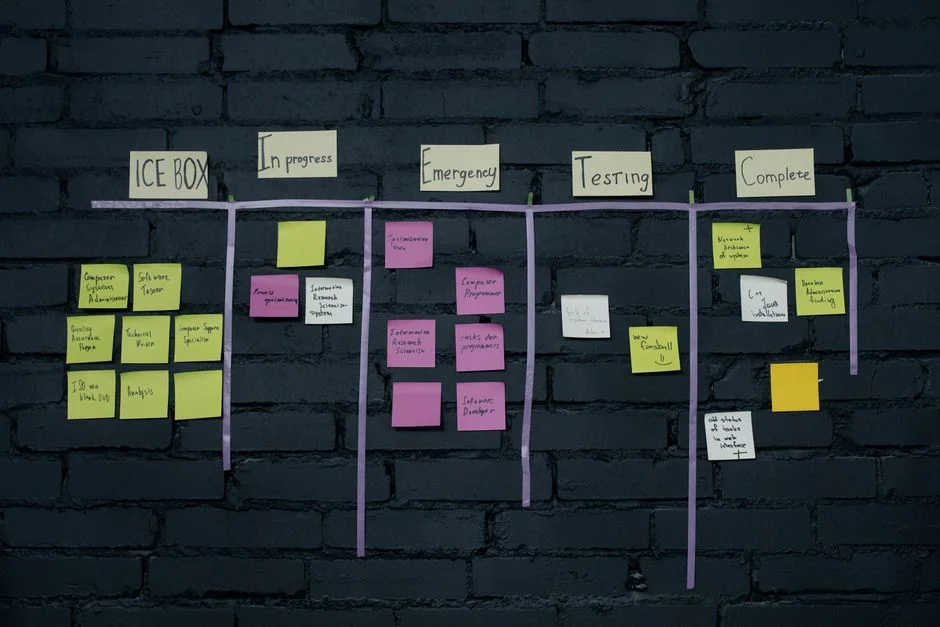

Why do software projects, despite adopting agile development practices, frequently encounter quality bottlenecks, delayed releases, or significant post-deployment defects? The answer often lies not in a lack of effort, but in a fundamental misunderstanding or misapplication of testing within the agile framework. Traditional, sequential testing phases, where quality assurance is a gatekeeper at the end of the development lifecycle, are antithetical to agile’s iterative and incremental nature. This disconnect transforms agile’s promise of rapid value delivery into a cycle of technical debt and rework.
Modern software development demands a paradigm shift: testing must evolve from a discrete phase into a continuous, integrated discipline, woven into the fabric of every sprint and every commit. This article delves into the practical application of agile methodology in software testing, moving beyond theoretical concepts to address the concrete engineering challenges and strategic decisions faced by CTOs and technical leaders. We will explore how to embed quality at every stage, leverage automation effectively, navigate common pitfalls, and, crucially, understand the financial and operational implications of building or procuring robust agile testing capabilities.
Agile Methodology in Software Testing: The Paradigm Shift from Waterfall
The journey from traditional Waterfall testing to an agile testing methodology represents more than just a change in process; it’s a fundamental re-evaluation of how quality is perceived, owned, and delivered within a software development organization. In the classic Waterfall model, testing was a distinct, often late-stage, phase. Requirements were gathered exhaustively upfront, design followed, then development, and only then would a dedicated QA team begin extensive testing. This sequential approach created significant risks: defects discovered late were exponentially more expensive to fix, feedback cycles were protracted, and adapting to changing market demands was nearly impossible.
Agile testing, by contrast, integrates testing activities throughout the entire development lifecycle, from the inception of a user story to its deployment. This ‘shift-left’ approach means that quality considerations are embedded into every iteration, every sprint, and every conversation. Instead of a ‘big bang’ test effort at the end, agile promotes continuous testing, where small, frequent testing cycles run in parallel with development. This proactive stance aims to catch defects early, when their impact and cost of remediation are minimal. The goal is not merely to find bugs, but to prevent them through collaborative practices and early feedback.
A critical component of this paradigm shift is the concept of a cross-functional team where developers, testers, product owners, and other stakeholders collaborate intimately. Testers are no longer isolated; they participate in requirements refinement, sprint planning, and daily stand-ups, contributing their quality perspective from day one. This collaborative environment fosters a shared understanding of quality and a collective responsibility for the product’s integrity. For instance, defining clear acceptance criteria for each user story becomes a joint effort, ensuring that tests can be written and executed against well-understood requirements, rather than ambiguous specifications.
Furthermore, agile testing heavily relies on automation to sustain its pace. Manual regression testing, which is time-consuming and prone to human error, cannot keep up with the rapid release cycles of agile. Automation frameworks for unit, integration, and UI tests become indispensable tools, allowing teams to run comprehensive test suites quickly and frequently. This automation provides a fast feedback loop, informing developers almost immediately if a new code change has introduced a defect or broken existing functionality. The investment in robust automation is not optional; it’s a foundational pillar that enables the speed and reliability inherent in successful agile development and testing practices.
The shift to agile testing also necessitates a change in mindset regarding documentation. While comprehensive test plans and execution reports are characteristic of Waterfall, agile prioritizes working software over exhaustive documentation. Test cases are often expressed as executable specifications or automated tests, which serve as living documentation of the system’s behavior. This approach reduces overhead and ensures that documentation remains current with the evolving codebase. The focus moves from documenting ‘what was tested’ to demonstrating ‘what works’ and ‘how it works’ through automated tests. This leaner documentation strategy, coupled with continuous feedback and automation, allows teams to deliver value consistently and adapt quickly to market changes, which is the ultimate promise of agile.
Core Principles of Agile Testing: Collaboration, Feedback, and Automation
At the heart of effective agile testing are several interdependent principles that guide practices and decision-making. These principles move beyond mere process to define a cultural approach to quality. The first and foremost is **collaboration**. Agile testing thrives on continuous interaction between developers, testers, product owners, and even end-users. Testers are embedded within the development team, contributing to discussions about user stories, acceptance criteria, and technical implementation details from the outset. This eliminates the ‘throw it over the wall’ mentality common in Waterfall, where testers received builds with little context, leading to misunderstandings and delayed defect detection. Instead, a shared understanding of quality is fostered, and potential issues are identified and resolved proactively, often before any code is written.
The second critical principle is **early and continuous feedback**. In an agile context, feedback is not a post-project activity; it’s an ongoing dialogue. Developers receive immediate feedback from unit tests and integration tests. Testers provide feedback on features as they are being developed, often through pair testing or exploratory testing sessions. Product owners and stakeholders review increments at the end of each sprint, offering feedback that can be incorporated into the next iteration. This rapid feedback loop minimizes the cost of change and ensures that the product evolves in alignment with user needs and business objectives. Early feedback also helps validate assumptions, uncover ambiguities, and refine requirements before they become expensive defects in production.
Third, **automation is indispensable**. The pace of agile development, with its short sprints and frequent releases, is unsustainable without a high degree of test automation. Manual regression testing, while valuable for certain exploratory scenarios, becomes a significant bottleneck if relied upon exclusively. Agile teams build an automated test suite that covers unit tests, integration tests, API tests, and UI tests. This suite is executed frequently, often as part of a Continuous Integration (CI) pipeline, providing an immediate safety net for every code change. The investment in creating and maintaining these automated tests pays dividends by accelerating release cycles, reducing human error, and freeing up testers to focus on more complex, value-added activities like exploratory testing and performance analysis.
A fourth principle is **focus on customer value**. Agile testing is not about testing every possible scenario but about testing what truly matters to the customer. This involves prioritizing tests based on business risk, user impact, and the value delivered by specific features. Testers work closely with product owners to understand the ‘definition of done’ and the acceptance criteria for each user story, ensuring that testing efforts are aligned with delivering high-quality, valuable functionality. This pragmatic approach prevents teams from getting bogged down in testing low-priority features, allowing them to concentrate resources where they will have the most impact on user satisfaction and business outcomes.
Finally, **continuous improvement and adaptation** are inherent to agile testing. Teams regularly inspect their processes through sprint retrospectives, identifying what worked well and what could be improved in their testing practices. This might involve refining automation strategies, improving collaboration techniques, or exploring new testing tools. The agile mindset encourages experimentation and learning, recognizing that there is no one-size-fits-all solution and that testing approaches must evolve alongside the project and the team’s capabilities. This commitment to continuous learning ensures that the testing process itself becomes more efficient and effective over time, constantly adapting to new challenges and opportunities.
Integrating Testing into Agile Sprints: A Day-to-Day Operational View
Successfully embedding testing within agile sprints requires a deliberate shift in daily operations and team dynamics. It’s no longer about a hand-off to QA at the end of a sprint; instead, testing activities are interwoven throughout. From the moment a user story is refined, testers are actively involved. During **sprint planning**, the team, including testers, collaboratively estimates the effort for development and testing. Testers help ensure that user stories have clear, testable acceptance criteria. For example, if a story describes a new user registration flow, the tester might challenge the product owner on edge cases like invalid email formats, existing usernames, or password complexity rules, ensuring these are captured in the acceptance criteria before development begins.
Once development for a story commences, testing begins almost immediately. **Unit tests** are written by developers as they code, ensuring individual components function correctly. As features are partially built, **integration tests** verify interactions between modules. Testers might engage in **pair testing** with developers, working side-by-side to explore the functionality, identify immediate defects, and provide real-time feedback. This close collaboration shortens the feedback loop dramatically. Instead of waiting for a completed feature, issues are caught hours or days after code is written, drastically reducing the cost and complexity of remediation. This iterative testing within the sprint ensures that quality is built-in, not bolted on.
During daily **stand-ups**, testers report on their progress, any blockers they encounter, and the status of test automation efforts, just like developers. This transparency allows the team to collectively address testing challenges and adjust priorities if necessary. For instance, if a critical integration test is failing consistently, the team can immediately swarm on the issue rather than discovering it days later. As features near completion within a sprint, testers focus on **feature testing** and **exploratory testing**. Feature testing verifies that the story meets its acceptance criteria, while exploratory testing allows testers to creatively investigate the application, looking for unexpected behaviors or usability issues that might not be covered by formal test cases.
A critical operational aspect is the maintenance and expansion of the **automated test suite**. As new features are completed and validated, new automated tests are added to cover this functionality. These tests become part of the team’s regression suite, run frequently, often multiple times a day, through a Continuous Integration (CI) pipeline. This automated safety net provides confidence that new changes haven’t inadvertently broken existing functionality. For example, a CI pipeline might look like this:
# .gitlab-ci.yml example for a typical agile testing pipeline
stages:
  - build
  - test
  - deploy

build_job:
  stage: build
  script:
    - npm install
    - npm run build

unit_test_job:
  stage: test
  script:
    - npm run test:unit
  allow_failure: false # Fail fast if unit tests break

integration_test_job:
  stage: test
  script:
    - npm run test:integration
  needs: [unit_test_job]
  allow_failure: false

end_to_end_test_job:
  stage: test
  script:
    - npm run test:e2e
  needs: [integration_test_job]
  allow_failure: true # Allow some E2E flakiness for faster dev feedback, but monitor closely

deploy_staging_job:
  stage: deploy
  script:
    - deploy_to_staging.sh
  needs: [end_to_end_test_job]
  when: on_success
At the **sprint review**, the entire team, including testers, demonstrates the completed functionality to stakeholders. Testers can highlight the quality aspects and the coverage achieved. Following the review, the **sprint retrospective** provides an opportunity for the team to reflect on the sprint’s testing process: what went well, what could be improved, and how to enhance collaboration or automation in future sprints. This continuous cycle of planning, developing, testing, reviewing, and adapting ensures that quality is not just a goal, but a lived reality within every agile iteration.
Test Automation Strategies in Agile: Building a Robust Safety Net
Test automation is not merely a tool in agile testing; it is a foundational strategy that enables the speed, reliability, and continuous feedback loops essential for successful agile delivery. Without robust automation, the rapid iteration cycles of agile would quickly grind to a halt under the weight of manual regression testing. The core principle guiding automation strategy is the **test automation pyramid**, a concept popularized by Mike Cohn. This pyramid suggests that the majority of automated tests should be at the lowest level (unit tests), followed by integration tests, and a smaller number of UI (End-to-End) tests at the top. This structure prioritizes fast, inexpensive, and stable tests over slow, brittle, and expensive ones.
Unit Tests: The Foundation
At the base of the pyramid are **unit tests**. These are small, isolated tests written by developers to verify the functionality of individual units of code, such as a single function, method, or class. They are fast to write, fast to execute (often hundreds or thousands per second), and provide immediate feedback to the developer. Unit tests are crucial for ensuring the internal correctness of components and serve as executable documentation. For instance, in a Laravel application, a unit test for a service class might look like this:
<?php

namespace Tests\Unit;

use PHPUnit\Framework\TestCase;
use App\Services\OrderService;
use App\Models\Order;
use App\Models\User;

class OrderServiceTest extends TestCase
{
    protected $orderService;

    protected function setUp(): void
    {
        parent::setUp();
        $this->orderService = new OrderService();
    }

    /** @test */
    public function it_can_create_a_new_order()
    {
        // Simulate user and product data
        $user = User::factory()->create();
        $productIds = [1, 2, 3];

        // Call the service method
        $order = $this->orderService->createOrder($user, $productIds);

        // Assertions
        $this->assertInstanceOf(Order::class, $order);
        $this->assertNotNull($order->id);
        $this->assertEquals($user->id, $order->user_id);
        $this->assertCount(count($productIds), $order->products);
    }

    /** @test */
    public function it_calculates_order_total_correctly()
    {
        // ... (additional test logic for total calculation)
    }
}
The high volume of unit tests provides a strong safety net for refactoring and new feature development.
Integration Tests: Verifying Interactions
Moving up, **integration tests** verify the interactions between different components or services. These tests ensure that modules, databases, APIs, and external services communicate correctly. They are slightly slower than unit tests and more complex to set up, but they are vital for catching interface mismatches or data flow issues. For example, an integration test might verify that a new user registration correctly writes data to the database and sends a welcome email through an external email service. Tools like Postman for API testing or database assertion libraries are commonly used here.
UI (End-to-End) Tests: Simulating User Experience
At the top of the pyramid are **UI or End-to-End (E2E) tests**. These tests simulate real user interactions with the application’s graphical user interface, verifying the entire system flow from the user’s perspective. While crucial for validating the complete user experience, E2E tests are notoriously slow, brittle, and expensive to maintain. They often break due to minor UI changes, leading to high maintenance costs. Therefore, agile teams strive to keep the number of E2E tests minimal, focusing on critical user journeys. Frameworks like Cypress, Playwright, or Selenium are popular choices for E2E testing in modern web applications built with Next.js or React.
// Cypress E2E test example for a login flow
describe('Login Functionality', () => {
  beforeEach(() => {
    cy.visit('/login'); // Assuming your login page is at /login
  });

  it('should allow a user to log in with valid credentials', () => {
    cy.get('input[name="email"]').type('test@example.com');
    cy.get('input[name="password"]').type('password123');
    cy.get('button[type="submit"]').click();
    cy.url().should('include', '/dashboard'); // Assert redirection to dashboard
    cy.contains('Welcome, Test User!').should('be.visible'); // Assert welcome message
  });

  it('should display an error for invalid credentials', () => {
    cy.get('input[name="email"]').type('wrong@example.com');
    cy.get('input[name="password"]').type('wrongpassword');
    cy.get('button[type="submit"]').click();
    cy.get('.error-message').should('be.visible').and('contain', 'Invalid credentials');
    cy.url().should('include', '/login'); // Ensure still on login page
  });
});
Beyond the pyramid, other automation strategies include **performance testing** (e.g., using JMeter or k6) to ensure the application scales under load, and **security testing** (e.g., static application security testing (SAST) and dynamic application security testing (DAST) tools) integrated into the CI/CD pipeline. The goal is to automate as much as possible, as early as possible, to provide continuous feedback and maintain high quality while accelerating delivery. The choice of tools and frameworks will depend heavily on the technology stack (e.g., Laravel for backend, React/Next.js for frontend) and the specific needs of the project, but the underlying principle remains consistent: automate for speed, reliability, and coverage.
The Role of the Agile Tester: Beyond Just Finding Bugs
The role of a Quality Assurance (QA) engineer, or agile tester, in a traditional Waterfall model was often reactive and isolated: receive a build, execute test cases, report bugs. In an agile environment, this role transforms dramatically, becoming proactive, integrated, and far more strategic. An agile tester is not merely a ‘bug finder’ but a ‘quality advocate’ and an integral part of the cross-functional development team, influencing quality from concept to deployment.
One of the primary shifts is the active involvement of testers in the **discovery and requirements phase**. Instead of passively receiving specifications, agile testers collaborate with product owners, business analysts, and developers to clarify user stories, define acceptance criteria, and identify potential risks or ambiguities early on. They ask probing questions like, “What happens if the user enters invalid data?” or “How should the system behave under heavy load?” This proactive engagement helps prevent defects from being coded in the first place, saving significant time and resources downstream. Their expertise helps shape user stories to be clear, concise, and most importantly, testable.
During the **sprint execution**, agile testers work closely with developers. This might involve **pair testing**, where a tester and developer work together to test a feature as it’s being built, providing immediate feedback. Testers are also responsible for designing, writing, and executing test cases for new features, often translating acceptance criteria into automated tests. They contribute to the team’s automated test suite, writing integration, API, and sometimes even UI tests. This requires a strong understanding of automation frameworks and coding principles, blurring the lines between traditional QA and development roles. For example, a tester might write a Cypress test for a new UI component while a developer is still finalizing its backend API.
// Example of a tester contributing to an API integration test using Jest/Supertest
const request = require('supertest');
const app = require('../src/app'); // Assuming your Express app is exported from app.js

describe('POST /api/products', () => {
  it('should create a new product with valid data', async () => {
    const newProduct = {
      name: 'Test Product',
      description: 'A product for testing',
      price: 99.99,
      stock: 100
    };

    const res = await request(app)
      .post('/api/products')
      .send(newProduct)
      .expect(201); // Expect 201 Created status

    expect(res.body.name).toBe(newProduct.name);
    expect(res.body.price).toBe(newProduct.price);
    expect(res.body.id).toBeDefined(); // Expect an ID to be assigned

    // Further database assertions could be made here to ensure persistence
  });

  it('should return 400 if product name is missing', async () => {
    const invalidProduct = {
      description: 'A product with no name',
      price: 10.00,
      stock: 50
    };

    await request(app)
      .post('/api/products')
      .send(invalidProduct)
      .expect(400); // Expect 400 Bad Request status
  });
});
Beyond structured testing, agile testers excel at **exploratory testing**. This involves using their intuition, experience, and creativity to explore the application, looking for bugs, usability issues, and performance bottlenecks that might not be covered by explicit test cases. They act as the first real users of the software, providing valuable insights into the user experience. This skill is particularly vital for identifying edge cases and unexpected interactions that automated tests, by their nature, are designed to miss.
Furthermore, the agile tester plays a crucial role in **managing test environments and data**, ensuring that realistic and stable environments are available for testing. They also contribute to the team’s **Continuous Integration/Continuous Delivery (CI/CD) pipeline**, often helping configure automated test runs and analyze results. Their expertise in defect management, root cause analysis, and risk assessment remains invaluable. In essence, the agile tester is a versatile quality engineer, deeply integrated into the development process, continuously contributing to the overall quality strategy and delivery of value.
Challenges in Adopting Agile Testing and How to Overcome Them
Adopting agile methodology in software testing is not without its challenges. Organizations frequently encounter roadblocks that can hinder the successful integration of quality into the agile workflow. Understanding these common pitfalls and developing strategies to overcome them is crucial for a smooth transition and sustained success. One significant challenge is the **cultural shift required** from traditional, siloed QA teams to integrated, cross-functional teams. Testers accustomed to being gatekeepers at the end of the cycle may struggle with the increased collaboration and the expectation to contribute earlier and more proactively. Developers, on the other hand, might initially resist taking on more testing responsibilities, particularly unit testing or pair testing.
To overcome this cultural inertia, strong leadership and clear communication are essential. Training programs focused on agile principles, collaborative tools, and automation skills can help bridge the knowledge gap. Fostering a ‘whole team ownership’ of quality, rather than delegating it solely to QA, is paramount. This can be achieved through shared goals, joint accountability for defects, and celebrating collective successes in delivering quality software. Creating a safe environment for experimentation and learning, where mistakes are seen as opportunities for improvement, also helps ease the transition.
Another common challenge is **insufficient test automation**. Many organizations start agile without a mature automation framework, leading to a build-up of manual regression debt. As sprints progress, the manual testing effort becomes unsustainable, slowing down releases and increasing the risk of defects. This often stems from an initial underinvestment in automation tools, infrastructure, and skilled automation engineers. The perception that automation is ‘too expensive’ or ‘too complex’ can be a significant barrier.
The solution involves making a strategic, upfront investment in automation. This includes selecting appropriate automation frameworks (e.g., Cypress for UI, Jest for unit, Postman/Newman for API), building a robust CI/CD pipeline, and dedicating resources to developing and maintaining automated test suites. Starting small with critical path tests and gradually expanding coverage is a pragmatic approach. It’s also important to track the ROI of automation, demonstrating how it reduces manual effort, speeds up releases, and improves quality over time. Consider leveraging specialized software development contract template expertise to define automation scope and deliverables effectively.
**Lack of technical skills within the QA team** is another hurdle. Traditional manual testers may lack the programming knowledge required for writing automated tests, working with CI/CD pipelines, or performing technical tasks like performance testing or security scanning. This skill gap can prevent the full integration of testing into the development process.
Addressing this requires continuous learning and upskilling initiatives. Providing training in programming languages (e.g., JavaScript, Python, PHP), automation frameworks, and modern testing techniques is crucial. Encouraging testers to participate in code reviews and pairing sessions with developers can also accelerate their technical growth. For organizations with significant skill gaps, considering external expertise or hiring automation-first QA engineers might be necessary to kickstart the transformation.
Finally, **managing changing requirements and scope creep** can be particularly challenging for testing teams. Agile’s flexibility means requirements can evolve rapidly, making it difficult to keep test cases and automated tests up-to-date. This can lead to a sense of constant rework and a perception that testing is always behind.
Effective communication and collaboration are key here. Testers must be involved in every discussion about requirement changes, allowing them to adapt their test strategies proactively. Prioritizing tests based on risk and business value, rather than attempting to test everything, helps manage the workload. Leveraging behavior-driven development (BDD) frameworks, where tests are written in a business-readable language and tied directly to requirements, can also help maintain alignment between evolving features and their corresponding tests. This ensures that the testing effort remains focused and agile, adapting to change rather than being overwhelmed by it.
Key Metrics and Reporting for Agile Testing Success
In agile testing, measuring success goes beyond simply counting bugs found. It involves tracking metrics that provide insights into the quality of the software, the efficiency of the testing process, and the overall health of the development lifecycle. These metrics should inform continuous improvement efforts and help teams make data-driven decisions. The focus is on providing fast, actionable feedback, rather than post-mortem analysis. Key performance indicators (KPIs) for agile testing typically fall into categories such as quality, efficiency, and team performance.
Quality Metrics
- Defect Density: The number of defects identified per unit of code (e.g., per 1000 lines of code) or per user story. A decreasing trend indicates improving code quality.
- Defect Escape Rate: The number of defects found in production relative to the total number of defects found. A low escape rate signifies effective testing within the development cycle.
- Test Coverage: The percentage of code (line, branch, function coverage) or requirements (feature coverage) covered by automated tests. While not a direct measure of quality, higher coverage generally correlates with better confidence in the codebase.
- Test Pass Rate: The percentage of automated tests that pass successfully in a given run. A consistently high pass rate indicates stability, while frequent failures signal underlying issues.
- Mean Time to Detect (MTTD) / Mean Time to Resolve (MTTR): For production defects, MTTD measures how quickly issues are identified, and MTTR measures how quickly they are fixed. Lower numbers indicate a more responsive and effective incident management process.
Efficiency Metrics
- Automated Test Execution Time: The time it takes to run the full automated test suite. Faster execution times enable quicker feedback loops.
- Automation Coverage Growth: Tracks the expansion of automated test coverage over time, indicating the team’s commitment to reducing manual regression effort.
- Time to Market / Lead Time: The time taken from idea conception to deployment. Efficient testing processes contribute significantly to reducing this time.
- Test Cycle Time: The time taken to complete a full cycle of testing for a feature or sprint. Shorter cycles mean faster feedback.
Team Performance Metrics
- Bugs per Developer / Tester: While not a blame game, this can highlight areas where specific training or support might be needed, or identify particularly complex areas of the codebase.
- Test Automation ROI: Quantifying the cost savings or accelerated delivery achieved through test automation, justifying further investment.
- Team Satisfaction (related to quality processes): Measured through surveys or retrospectives, indicating how effective the team perceives the testing processes to be.
Reporting these metrics should be transparent and easily accessible, often through dashboards integrated with CI/CD tools or project management systems. For instance, a dashboard might display the current build status, recent test pass rates, and the trend of defect escape rates. This visibility empowers the entire team to understand the quality posture of the product and take collective responsibility. Focusing on a few meaningful metrics, rather than an overwhelming number, ensures that the data is actionable and drives continuous improvement. For example, monitoring `Defect Escape Rate` alongside `Automated Test Execution Time` can reveal if rushed automation is leading to missed critical bugs, prompting a re-evaluation of test strategy.
Ultimately, the goal of agile testing metrics is not to police; it is to provide objective data for informed decision-making, fostering a culture of continuous learning and improvement that underpins high-quality software delivery. These metrics provide the feedback necessary for teams to inspect and adapt their processes, ensuring that the agile testing strategy remains effective and aligned with business objectives.
Tools and Technologies for Modern Agile Testing
The effectiveness of an agile testing strategy is heavily reliant on the right set of tools and technologies that support collaboration, automation, and continuous feedback. Modern agile testing stacks are diverse, encompassing everything from integrated development environments (IDEs) to sophisticated cloud-based testing platforms. Selecting the appropriate tools involves considering the technology stack, team expertise, project scale, and budget. Here, we outline categories of essential tools that facilitate agile testing.
Test Management and Collaboration Tools
Effective communication and organization are paramount. Tools like **Jira** (with plugins like Zephyr Scale or Xray), **Azure DevOps**, or **TestRail** help manage test cases, link them to user stories, track execution status, and report defects. These platforms centralize testing activities, providing visibility into the testing progress within each sprint. They enable testers, developers, and product owners to collaborate on test planning and defect resolution seamlessly. For instance, linking a failing automated test run directly to a Jira ticket provides immediate context for developers.
Version Control Systems
**Git** (e.g., GitHub, GitLab, Bitbucket) is fundamental. All test code, automation scripts, and configuration files should be managed under version control alongside application code. This ensures traceability, collaboration, and the ability to revert changes if necessary. Integrating testing into the Git workflow means that every code change can trigger relevant tests, reinforcing the continuous testing principle.
Continuous Integration/Continuous Delivery (CI/CD) Tools
CI/CD pipelines are the backbone of agile testing automation. Tools like **Jenkins**, **GitLab CI/CD**, **GitHub Actions**, **CircleCI**, or **Azure Pipelines** automate the build, test, and deployment processes. They execute automated tests (unit, integration, E2E) on every code commit, providing rapid feedback on the health of the codebase. A typical CI/CD setup for a Next.js application with a Laravel backend might involve separate pipelines that trigger tests for each repository and then deploy to staging environments upon successful completion.
# Example: GitHub Actions workflow for a Next.js frontend with Cypress E2E tests
name: Next.js CI/CD with E2E Tests

on:
  push:
    branches:
      - main
  pull_request:
    branches:
      - main

jobs:
  build-and-test:
    runs-on: ubuntu-latest

    steps:
    - name: Checkout code
      uses: actions/checkout@v3

    - name: Setup Node.js
      uses: actions/setup-node@v3
      with:
        node-version: '18'

    - name: Install dependencies
      run: npm ci

    - name: Run ESLint
      run: npm run lint

    - name: Run Unit Tests
      run: npm run test:unit

    - name: Build Next.js app
      run: npm run build

    - name: Start Next.js server for E2E tests
      run: npm start &
      # Give server time to start
      timeout-minutes: 1
      wait-on: 'http://localhost:3000'

    - name: Run Cypress E2E Tests
      uses: cypress-io/github-action@v5
      with:
        start: npm start
        wait-on: 'http://localhost:3000'
        # Record Cypress results to Dashboard (optional, requires CYPRESS_RECORD_KEY env var)
        # record: true
        # parallel: true # Run tests in parallel across multiple machines

    - name: Deploy to Vercel (optional, if using Next.js deployment platform)
      if: github.ref == 'refs/heads/main'
      uses: vercel/actions/deploy@v2
      with:
        token: ${{ secrets.VERCEL_TOKEN }}
        prod: true
Automated Testing Frameworks
- Unit Testing: **PHPUnit** for Laravel, **Jest/Vitest** for React/Next.js, **JUnit** for Java.
- Integration/API Testing: **Postman/Newman** (for REST APIs), **Supertest** (for Node.js APIs), **PHPUnit** (for Laravel API tests), **Cypress/Playwright** (can also do API testing).
- UI/End-to-End Testing: **Cypress**, **Playwright**, **Selenium WebDriver**. These tools simulate user interactions in a browser, verifying the complete user journey.
- Performance Testing: **JMeter**, **k6**, **Gatling**. Essential for validating application scalability and responsiveness under load.
- Security Testing: **OWASP ZAP** (DAST), **SonarQube** (SAST), **Snyk** (dependency scanning). Integrating these into CI/CD helps identify vulnerabilities early.
Containerization and Virtualization
**Docker** and **Kubernetes** are invaluable for creating consistent and isolated test environments. Containers ensure that tests run in the same environment across all developer machines and CI/CD pipelines, eliminating ‘it works on my machine’ issues. This consistency is vital for reliable test results. For instance, a Docker Compose setup can spin up an application, database, and any external services required for integration tests, ensuring a reproducible environment.
By strategically selecting and integrating these tools, organizations can build a robust agile testing ecosystem that supports continuous quality, accelerates delivery, and reduces the risk of production defects, ultimately contributing to a more resilient and valuable software product.
Vendor Selection for Agile Testing Services: Build vs. Buy Considerations
For many organizations, especially those scaling rapidly or facing immediate skill gaps, the decision of whether to build an in-house agile testing capability or to buy (outsource) agile testing services is a critical strategic choice. This ‘build vs. buy’ dilemma for agile testing services involves weighing internal capacity, cost, time-to-market, and the strategic importance of quality assurance. As a Solutions Consultant, I often guide CTOs through this complex evaluation, emphasizing the long-term implications of each path.
Building In-House Agile Testing Capability
Pros:
- Deep Domain Knowledge: An in-house team develops an intimate understanding of the product, business logic, and organizational culture, leading to highly contextual and effective testing.
- Seamless Integration: Internal testers are inherently part of the development team, fostering tighter collaboration and faster feedback loops.
- Control and IP Protection: Full control over processes, tools, and intellectual property related to testing frameworks and strategies.
- Skill Development: Investment in an internal team builds long-term organizational capability and expertise, aligning with a how to build a software product business strategy.
Cons:
- High Upfront Investment: Significant costs associated with hiring, training, and retaining skilled agile testers and automation engineers.
- Time-Consuming: Building a mature agile testing team with automation expertise takes time, potentially delaying time-to-market for critical features.
- Talent Scarcity: Finding experienced agile testers and automation engineers is challenging in a competitive market.
- Scalability Challenges: Scaling an internal team up or down quickly to match project demands can be difficult and costly.
Buying (Outsourcing) Agile Testing Services
Pros:
- Access to Specialized Expertise: Vendors often provide immediate access to highly skilled agile testers, automation specialists, performance engineers, and security experts that might be difficult to hire internally.
- Faster Time-to-Market: External teams can be onboarded quickly, accelerating testing cycles and product releases.
- Cost-Effectiveness: Can be more cost-effective for short-term projects, peak loads, or if internal hiring costs are prohibitive. Reduces overheads like benefits, office space, etc.
- Scalability and Flexibility: Easily scale testing efforts up or down based on project needs without the complexities of internal hiring or layoffs.
- Fresh Perspective: External teams can bring an objective view and introduce new best practices and tools.
Cons:
- Potential for Communication Gaps: Geographic distance, cultural differences, and language barriers can lead to miscommunication and slower feedback.
- Less Domain Knowledge: External teams may require more time to understand intricate business logic and domain nuances.
- Loss of Control: Less direct control over daily processes, tool choices, and team management.
- IP Concerns: Requires robust contractual agreements to protect intellectual property and data security.
- Integration Overhead: Requires deliberate effort to integrate external teams into existing agile ceremonies and tools.
Making the Decision: A Hybrid Approach Often Prevails
The optimal strategy often involves a hybrid approach. Organizations might build an internal core team for critical, domain-specific testing and strategic automation, while outsourcing non-core, high-volume, or specialized testing activities (e.g., performance testing, security audits, specific E2E test automation for less critical paths). This allows for leveraging the strengths of both models.
When selecting a vendor, look for partners with a proven track record in agile methodologies, strong communication protocols, transparent reporting, and a clear understanding of your industry and technology stack. Evaluate their automation capabilities, their approach to CI/CD integration, and their ability to seamlessly integrate with your existing development teams and processes. A thorough software development for transportation companies, for example, might require a vendor with specific expertise in logistics software testing. Ultimately, the decision should align with your long-term strategic goals for product quality, operational efficiency, and resource allocation.
Strategic Integration of Agile Testing with CI/CD Pipelines
The true power of agile testing is unleashed when it is seamlessly integrated with Continuous Integration (CI) and Continuous Delivery/Deployment (CD) pipelines. CI/CD pipelines are not just automation tools; they are the operational backbone that enables the rapid, reliable, and continuous delivery of high-quality software in an agile environment. Without this tight integration, agile testing risks becoming a bottleneck, undermining the speed and efficiency that agile promises. The goal is to create a fully automated feedback loop, where every code change is built, tested, and validated almost instantly.
Continuous Integration: The Foundation
At its core, Continuous Integration involves developers frequently merging their code changes into a central repository, typically several times a day. Each merge triggers an automated build process, followed immediately by the execution of a comprehensive suite of automated tests. This includes:
- Unit Tests: Verify individual components in isolation.
- Integration Tests: Check interactions between components and services.
- Static Code Analysis: Tools like SonarQube or ESLint analyze code for quality, style, and potential bugs without executing it.
- Security Scans (SAST): Identify security vulnerabilities in the code itself.
The immediate feedback from these tests is critical. If any test fails, the build is marked as broken, and the team is notified instantly. This ‘fail fast’ mechanism ensures that defects are caught within minutes of being introduced, making them significantly easier and cheaper to fix. Developers can address issues while the context is fresh in their minds, preventing a cascade of errors that would be costly to unravel later. For example, a developer committing new code to a Next.js frontend might trigger a pipeline that runs `npm test` (for Jest unit tests) and `npm run lint` (for ESLint) within seconds.
Continuous Delivery: Extending the Automation
Continuous Delivery extends CI by ensuring that the software can be released to production at any time. After a successful CI build (meaning all tests passed), the code is automatically deployed to a staging or testing environment. Here, a broader range of automated tests can be executed, including:
- End-to-End (E2E) UI Tests: Simulate user interactions to verify critical user journeys.
- Performance Tests: Assess the application’s responsiveness and stability under load.
- Security Scans (DAST): Dynamically test the running application for vulnerabilities.
- Accessibility Tests: Ensure the application is usable by people with disabilities.
This automated deployment to a pre-production environment allows for thorough validation in a realistic setting without manual intervention. It also enables **exploratory testing** by human testers on a stable, up-to-date build, further enhancing quality assurance. The key distinction from Continuous Deployment is that in CD, deployment to production is a manual, albeit one-click, step, allowing for business approval or scheduled releases.
Continuous Deployment: The Ultimate Goal
Continuous Deployment takes CD a step further: every change that passes the automated tests and quality gates is automatically deployed to production without human intervention. This requires an extremely high level of confidence in the automated testing suite and the entire CI/CD pipeline. While not suitable for all organizations or applications (especially those with strict regulatory compliance), it represents the pinnacle of agile delivery, enabling the fastest possible time-to-market.
Architectural Considerations for CI/CD Integration
To effectively integrate agile testing with CI/CD, several architectural considerations are paramount:
- Modular Codebase: A well-architected application with clear separation of concerns (e.g., microservices, clean architecture) facilitates isolated testing and faster builds.
- Containerization: Using Docker or Kubernetes to containerize applications and test environments ensures consistency and reproducibility across development, testing, and production.
- Test Data Management: Strategies for generating, provisioning, and cleaning up realistic test data are crucial for reliable automated tests.
- Observable Systems: Implementing robust logging, monitoring, and alerting (e.g., using Prometheus, Grafana, ELK stack) helps quickly diagnose issues in tests and production.
- Pipeline as Code: Defining CI/CD pipelines in code (e.g., Jenkinsfile, .gitlab-ci.yml) ensures version control, consistency, and easier management.
By treating the CI/CD pipeline as a first-class citizen and integrating agile testing deeply within it, organizations can achieve a continuous feedback loop that not only accelerates delivery but also significantly elevates the overall quality and reliability of their software products. This strategic integration is non-negotiable for competitive modern software development.
Managing Technical Debt in Agile Testing: Proactive Strategies
Technical debt, often described as the cost of choosing an easy, limited solution now instead of a better approach that would take longer, is an inherent part of software development. In agile testing, technical debt can manifest in various forms: neglected automated test suites, flaky tests, insufficient test coverage, outdated test environments, or a lack of clear test data management strategies. If left unaddressed, this debt can accumulate rapidly, slowing down development, increasing defect rates, and eroding team morale. Proactive strategies are essential to manage and mitigate this debt effectively.
Identifying and Prioritizing Test Debt
The first step in managing technical debt in agile testing is to clearly identify where it exists. This can involve:
- Test Coverage Analysis: Regularly review code coverage reports to identify areas of the application with low or no automated test coverage.
- Flaky Test Identification: Track tests that intermittently fail without any code changes. These are major productivity drains and erode confidence in the test suite.
- Manual Regression Backlog: Any feature that consistently requires extensive manual regression testing indicates a gap in automation.
- Outdated Test Environments: Environments that are difficult to set up, prone to breaking, or don’t accurately reflect production can cause significant delays.
- Lack of Test Data Management: Difficulty in provisioning or resetting realistic test data often leads to brittle or incomplete tests.
Once identified, test debt should be prioritized alongside feature development. It’s crucial to allocate dedicated time in each sprint for addressing this debt, treating it as a first-class citizen in the product backlog. This might involve creating specific ‘test debt’ stories or tasks.
Strategies for Mitigation and Prevention
- Dedicate Time for Refactoring Tests: Just like application code, test code needs regular refactoring. Allocate a portion of each sprint (e.g., 10-15% of capacity) to improving existing tests, fixing flaky ones, and increasing automation coverage. This is often called a ‘hardening sprint’ or ‘quality sprint’ focus.
- Enforce Test Code Quality: Treat test code with the same rigor as production code. Apply coding standards, conduct code reviews for tests, and ensure test code is clean, readable, and maintainable. Poorly written automated tests quickly become technical debt themselves.
- Shift-Left and Prevent: The most effective way to reduce test debt is to prevent it. Emphasize ‘shift-left’ testing, where quality is built in from the start. This includes defining clear acceptance criteria, engaging testers early, and promoting pair programming and test-driven development (TDD) practices among developers.
- Invest in Test Infrastructure: Modernize test environments using containerization (Docker, Kubernetes) to ensure consistency and ease of setup. Invest in robust test data management solutions that allow for easy creation and cleanup of test data.
- Continuous Monitoring of Test Health: Integrate test health metrics (e.g., test pass rate, execution time, number of flaky tests) into your CI/CD dashboards. Proactive monitoring allows teams to identify and address issues before they escalate into significant debt.
- Automate Test Data Generation: Manual test data creation is a bottleneck. Explore tools and scripts to automate the generation of realistic, anonymized test data. For instance, a Laravel application might use factories to generate model data for tests efficiently.
// Example Laravel factory for generating test data namespace Database\Factories; use App\Models\Product; use Illuminate\Database\Eloquent\Factories\Factory; class ProductFactory extends Factory { protected $model = Product::class; public function definition(): array { return [ 'name' => $this->faker->unique()->sentence(3), 'description' => $this->faker->paragraph, 'price' => $this->faker->randomFloat(2, 10, 1000), 'stock' => $this->faker->numberBetween(0, 500), 'is_active' => $this->faker->boolean(90), ]; } // State for out-of-stock products public function outOfStock(): Factory { return $this->state(function (array $attributes) { return [ 'stock' => 0, ]; }); } } - Regular Retrospectives: Use sprint retrospectives to discuss testing challenges, identify sources of technical debt, and brainstorm solutions as a team. This fosters a culture of shared responsibility for quality.
By proactively managing technical debt in agile testing, organizations can maintain a healthy, efficient, and reliable testing process that truly supports continuous delivery and high-quality software. Ignoring this debt will inevitably lead to slower delivery, higher costs, and a compromised user experience.
Enterprise-Level Agile Testing: Scaling Quality Across Large Organizations
Scaling agile testing practices from a single team to a large enterprise presents unique challenges and requires a strategic, holistic approach. While the core principles of collaboration, feedback, and automation remain constant, their implementation must adapt to the complexities of multiple teams, diverse technology stacks, regulatory compliance, and distributed environments. Enterprise-level agile testing focuses on achieving continuous quality across a portfolio of products and services, ensuring alignment with overarching business objectives and architectural standards.
Challenges at Enterprise Scale
- Coordination Across Teams: Multiple agile teams working on interconnected features or microservices require sophisticated coordination to ensure end-to-end quality. Integration testing becomes more complex.
- Diverse Technology Stacks: Large enterprises often have heterogeneous technology landscapes (e.g., legacy systems, new microservices in different languages), necessitating diverse testing tools and expertise.
- Regulatory Compliance: Industries like healthcare, finance, or logistics (where software development for transportation companies is critical) have stringent compliance requirements that must be integrated into the testing process.
- Test Environment Management: Provisioning and maintaining stable, realistic test environments for numerous teams and integrated systems can be a monumental task.
- Data Governance and Security: Managing sensitive test data across multiple environments and teams requires robust governance and security protocols.
Strategies for Scaling Agile Testing
- Adopt a Scaled Agile Framework (SAFe, LeSS, Scrum@Scale): These frameworks provide guidance on coordinating multiple agile teams, aligning them to common goals, and integrating testing across program and portfolio levels. They emphasize common backlogs, shared architectural runways, and synchronized release trains.
- Establish a Center of Excellence (CoE) for QA/Automation: A QA CoE can define enterprise-wide testing standards, recommend tools and frameworks, provide training, and foster a community of practice for quality engineers. This ensures consistency and leverages expertise across the organization.
- Invest in Robust Test Automation Frameworks: Standardize on scalable automation frameworks that can be reused across multiple projects and teams. This might involve building internal libraries or extending open-source solutions to fit enterprise needs. Automated regression suites must cover critical cross-application workflows.
- Implement Advanced Test Environment Management: Leverage cloud infrastructure (AWS, Azure, GCP) and container orchestration (Kubernetes) to dynamically provision and tear down isolated test environments. This ensures that teams can test independently without impacting others and that environments accurately reflect production.
- Develop a Centralized Test Data Management Strategy: Implement tools and processes for generating, anonymizing, and managing test data across the enterprise. This ensures data privacy compliance and provides realistic data for testing complex scenarios, particularly for expense management software for small business which requires sensitive financial data.
- Focus on API-First Testing: In a microservices architecture, emphasize API testing as the primary integration testing strategy. This provides faster, more stable feedback than relying solely on UI-level E2E tests for inter-service communication.
- Implement Enterprise-Wide Quality Gates: Define clear quality gates at various stages of the CI/CD pipeline (e.g., minimum test coverage for merge, successful performance tests for staging deployment, security scan pass for production).
- Foster a Culture of Quality Ownership: Extend the ‘whole team ownership’ principle across the enterprise. Encourage cross-team collaboration, knowledge sharing, and collective responsibility for end-to-end quality. Regular ‘Scrums of Scrums’ or ‘Program Increment (PI) Planning’ sessions can facilitate this.
By strategically addressing these challenges and implementing these practices, large organizations can effectively scale their agile testing efforts, ensuring that continuous quality remains a cornerstone of their software delivery at an enterprise level. This requires not just technical solutions, but also organizational alignment and a commitment to continuous improvement across all teams.
Cost Implications of Agile Testing: Investment vs. ROI
The cost implications of implementing agile methodology in software testing are often a point of contention for financial stakeholders. On the surface, the upfront investment in automation tools, training, and specialized talent can appear substantial. However, a narrow focus on initial outlay misses the profound long-term return on investment (ROI) that robust agile testing delivers. This section breaks down the cost factors and articulates the financial benefits, providing concrete ranges for various engagement models.
Key Cost Factors in Agile Testing
1. Talent Acquisition and Retention: Hiring skilled agile testers and automation engineers is competitive. Salaries for experienced QA Automation Engineers can range from $90,000 to $150,000+ per year in North America, depending on experience and location. Retention costs include benefits, professional development, and competitive compensation packages.
2. Training and Upskilling: Transitioning existing manual QA teams to an automation-first agile mindset requires investment in training for programming languages, automation frameworks, and CI/CD tools. This can involve course fees (e.g., $500 – $3,000 per course per person) or internal training programs.
3. Tooling and Infrastructure: While many open-source tools exist, enterprise-grade test management systems, performance testing tools, security scanning software, and cloud infrastructure for test environments incur costs. Cloud infrastructure (AWS, Azure, GCP) for running CI/CD pipelines and hosting test environments can range from $500 to $5,000+ per month, depending on usage and scale. Commercial test management tools like TestRail or Xray for Jira can cost $10 – $50 per user per month.
4. Automation Framework Development and Maintenance: Building and maintaining a resilient automated test suite is an ongoing effort. Initial setup can require significant development hours, and tests need continuous updates as the application evolves. This is a continuous operational cost, not a one-time expense.
5. Consulting and Integration Services: For organizations lacking internal expertise, external consultants can guide the initial setup of agile testing processes, automation frameworks, and CI/CD integration. Consulting rates typically range from $150 to $350 per hour, or project-based fees from $20,000 to $100,000+ for comprehensive implementations.
Engagement Models and Cost Ranges
When considering outsourcing agile testing services, common engagement models come with distinct pricing structures:
| Engagement Model | Description | Typical Cost Range (Monthly) | Pros | Cons |
|---|---|---|---|---|
| Hourly Rate (Staff Augmentation) | Hire individual testers/engineers on an hourly basis. | $40 – $120 per hour (offshore/nearshore) $100 – $250 per hour (onshore) |
High flexibility, access to specific skills, quick scaling. | Less control over overall project, potential for scope creep, requires internal management. |
| Dedicated Team (Managed Services) | A dedicated team of testers/engineers managed by the vendor. | $8,000 – $30,000+ per month per team (e.g., 3-5 people, depending on seniority/location) | Integrated team, focused effort, vendor handles management, predictable cost. | Less direct control over individual team members, requires clear communication. |
| Project-Based Fixed Price | Fixed price for a defined scope of work (e.g., automate regression suite for a module). | $15,000 – $100,000+ (one-time, per project) | Predictable cost, clear deliverables, suitable for well-defined projects. | Less flexible to changes, requires detailed scope definition upfront, risk of cost overruns if scope changes. |
| Outcome-Based Pricing | Payment tied to specific outcomes (e.g., reduced defect escape rate, improved test coverage). | Varies significantly; often a percentage of value delivered or shared risk/reward. | Aligns incentives, focuses on business value, vendor shares risk. | Complex to define and measure outcomes, requires high trust and transparency. |
Return on Investment (ROI) of Agile Testing
The ROI of investing in agile testing is realized through several critical areas:
- Reduced Cost of Defects: Defects caught early in the development cycle (during unit or integration testing) are significantly cheaper to fix than those found in production. The cost can be 10x-100x higher for production defects.
- Faster Time-to-Market: Automated testing and continuous feedback enable quicker release cycles, allowing businesses to bring new features and products to market faster, gaining a competitive edge.
- Improved Product Quality and User Satisfaction: Higher quality software leads to fewer customer complaints, better user experience, and stronger brand reputation.
- Increased Developer Productivity: A robust automated test suite provides a safety net, allowing developers to refactor and introduce new features with confidence, reducing rework and increasing efficiency.
- Lower Operational Costs: Fewer production incidents mean less time spent on emergency fixes, reducing operational overhead and support costs.
- Enhanced Business Agility: The ability to adapt quickly to changing market demands with confidence in quality enables greater business agility and responsiveness.
While the initial investment in agile testing requires careful consideration, the long-term benefits in terms of cost savings, accelerated delivery, and superior product quality overwhelmingly justify the expenditure. It’s not an optional expense but a strategic investment in the future resilience and competitiveness of a software-driven business.
Future Trends in Agile Testing: AI, ML, and Predictive Quality
The landscape of agile testing is continuously evolving, driven by advancements in artificial intelligence (AI), machine learning (ML), and data analytics. These emerging technologies are poised to revolutionize how quality assurance is performed, moving beyond traditional automation to more intelligent, predictive, and adaptive testing approaches. For CTOs, understanding these trends is crucial for future-proofing their quality strategies and maintaining a competitive edge.
AI and Machine Learning in Test Automation
AI and ML are transforming test automation in several key areas:
- Intelligent Test Case Generation: ML algorithms can analyze historical defect data, code changes, and usage patterns to automatically generate optimized test cases, focusing on areas most prone to defects or frequently used by users. This reduces the manual effort of test design and improves coverage efficiency.
- Self-Healing Tests: One of the biggest challenges in UI automation is test fragility. AI-powered tools can automatically detect changes in UI elements (e.g., a button’s ID or XPath changes) and adapt test scripts accordingly, reducing maintenance overhead and flaky tests. This significantly improves the stability of automated test suites.
- Visual Testing with AI: AI can be used to compare screenshots of UI elements, not just pixel by pixel, but intelligently understanding the context and intent. This helps identify visual regressions that might be missed by traditional element locators, ensuring a consistent user experience across different devices and browsers.
- Predictive Defect Analytics: ML models can analyze various data points – code complexity, commit history, developer activity, test results, and production incidents – to predict which parts of the codebase are most likely to contain defects. This allows teams to proactively focus testing efforts on high-risk areas, optimizing resource allocation.
Predictive Quality and Risk-Based Testing
The integration of AI/ML enables a shift towards **predictive quality**. Instead of reacting to defects, organizations can anticipate and prevent them. By analyzing historical data and real-time telemetry, ML models can identify patterns and anomalies that indicate potential quality issues before they manifest as bugs. This allows for more effective **risk-based testing**, where testing efforts are dynamically prioritized based on the predicted risk of failure or impact on critical business functions.
For example, an ML model might flag a specific module with high code churn, low test coverage, and a history of production defects as a high-risk area for the upcoming sprint. The agile team can then allocate more testing resources, conduct more thorough exploratory testing, or even initiate proactive refactoring in that area. This moves testing from a reactive quality gate to a proactive quality enabler.
Augmented Exploratory Testing
While AI excels at repetitive, data-driven tasks, human creativity and intuition remain irreplaceable for exploratory testing. However, AI can augment exploratory testers by providing intelligent insights. For instance, AI could suggest areas of the application to explore based on user behavior analytics, recent code changes, or predicted defect likelihood. It could also help analyze session recordings and logs from exploratory tests to identify patterns or anomalies that a human might overlook.
Challenges and Ethical Considerations
Adopting AI/ML in testing also brings challenges. These include the need for large, clean datasets to train ML models, the complexity of integrating AI tools into existing pipelines, and the ethical considerations around bias in AI algorithms. Ensuring that AI-driven testing doesn’t perpetuate existing biases or create new ones is paramount. Furthermore, the ‘black box’ nature of some ML models can make it difficult to understand why a particular prediction or test decision was made, posing challenges for debugging and trust.
Despite these challenges, the future of agile testing is undoubtedly intertwined with AI and ML. Organizations that strategically invest in these technologies will gain significant advantages in terms of efficiency, defect prevention, and ultimately, delivering superior software quality at an accelerated pace. The focus will shift from merely automating existing tests to intelligently optimizing the entire quality assurance process.
Migrating Legacy Testing Processes to Agile: A Strategic Approach
Migrating from entrenched legacy testing processes, often characterized by manual efforts, late-stage QA, and extensive documentation, to an agile testing methodology is a significant undertaking for any organization. It’s not a simple switch but a strategic transformation that requires careful planning, phased execution, and a commitment to cultural change. For CTOs overseeing such a migration, a structured approach is essential to minimize disruption and maximize the benefits of agile quality assurance.
Phase 1: Assessment and Planning
- Current State Analysis: Begin by thoroughly assessing the existing testing landscape. Document current processes, tools, test coverage, defect escape rates, and resource allocation. Identify bottlenecks, areas of high manual effort, and existing technical debt.
- Define Agile Testing Vision and Goals: Clearly articulate what agile testing success looks like for your organization. Set measurable goals, such as reducing defect escape rates by X%, increasing automation coverage to Y%, or decreasing time-to-market by Z%.
- Identify Pilot Projects: Start with a small, manageable pilot project. Choose a project with a supportive team, clear scope, and high visibility to demonstrate early successes and build momentum.
- Stakeholder Alignment: Gain buy-in from all key stakeholders – development leads, product owners, business units, and executive leadership. Communicate the ‘why’ behind the migration and the expected benefits.
Phase 2: Skill Development and Tooling
- Upskill Existing QA Team: Provide intensive training for manual testers in automation frameworks (e.g., Cypress, Playwright, Selenium, PHPUnit, Jest), programming languages (e.g., JavaScript, Python, PHP), CI/CD concepts, and agile methodologies. This is critical for empowering the existing workforce.
- Strategic Hiring: Supplement internal teams with experienced agile automation engineers or consultants to accelerate the transition and inject expertise.
- Select and Integrate Tools: Choose appropriate agile test management tools (Jira with Xray/Zephyr), CI/CD platforms (GitLab CI/CD, GitHub Actions), and automation frameworks that align with your technology stack and future vision. Prioritize tools that facilitate collaboration and provide fast feedback.
Phase 3: Phased Implementation and Iteration
- Start with Unit and API Automation: Begin by focusing on automating unit tests (developer-driven) and API integration tests. These provide the fastest feedback, are less brittle than UI tests, and build confidence in the automation strategy.
- Integrate into CI/CD: Establish basic CI/CD pipelines that automatically run unit and API tests on every commit. Ensure immediate feedback mechanisms (e.g., Slack notifications, build status in Git).
- Gradual UI Automation: Incrementally build out UI (E2E) automation for critical user journeys. Prioritize stability and maintainability over exhaustive coverage initially.
- Introduce Exploratory Testing: Train and empower testers to perform focused exploratory testing within sprints, complementing automated tests.
- Iterate and Learn: Use sprint retrospectives to continuously inspect and adapt the migration process. Gather feedback, identify challenges, and refine the strategy. Be prepared to adjust course based on lessons learned.
Phase 4: Scaling and Continuous Improvement
- Expand to More Teams: Once the pilot project demonstrates success, progressively roll out agile testing practices to more teams, leveraging the lessons learned and established patterns.
- Establish a QA Center of Excellence: Create a central group responsible for defining best practices, providing mentorship, and standardizing tools and frameworks across the organization.
- Monitor Key Metrics: Continuously track agile testing metrics (defect escape rate, automation coverage, test execution time) to measure progress and identify areas for further improvement.
- Foster a Culture of Quality: Reinforce the idea that quality is everyone’s responsibility. Celebrate successes, share knowledge, and promote a continuous learning environment.
Migrating legacy testing to agile is a journey, not a destination. It requires patience, persistence, and a strategic vision. However, the investment in this transformation yields significant returns in terms of accelerated delivery, improved software quality, and enhanced organizational agility, positioning the business for long-term success in a dynamic market. Our team at NR Studio specializes in helping companies navigate complex migrations, ensuring a smooth transition to modern development and quality assurance practices.
The Business Impact of Embracing Agile Testing
While the technical benefits of agile methodology in software testing are clear—faster feedback, higher automation, earlier defect detection—the most compelling arguments for its adoption often lie in its profound business impact. For executive leadership and CTOs, understanding these tangible business outcomes is crucial for justifying investment and driving organizational change. Embracing agile testing is not merely a technical upgrade; it’s a strategic move that enhances market responsiveness, reduces financial risk, and ultimately drives competitive advantage.
Accelerated Time-to-Market and Increased Revenue
One of the most significant business impacts is the ability to deliver new features and products to market faster. By embedding testing throughout the development cycle and leveraging extensive automation, organizations can reduce release cycles from months to weeks or even days. This rapid delivery allows businesses to respond swiftly to market changes, capitalize on emerging opportunities, and stay ahead of competitors. For instance, being able to quickly deploy a new feature based on customer feedback can lead to immediate user acquisition and revenue growth, establishing a strong market position.
Reduced Costs and Enhanced Efficiency
The ‘shift-left’ approach of agile testing directly translates to substantial cost savings. Defects caught in production are exponentially more expensive to fix than those identified during unit or integration testing. Agile testing minimizes these costly late-stage defects, reducing rework, emergency patches, and associated operational overheads. Furthermore, the automation of repetitive test cases frees up skilled testers to focus on more complex, value-added activities like exploratory testing, performance analysis, and security assessments, leading to more efficient resource utilization. This efficiency also extends to resource allocation, avoiding the need for large, last-minute QA teams that often characterize traditional models.
Improved Product Quality and Customer Satisfaction
Continuous testing and feedback loops ensure that quality is built into the product from the ground up, rather than being an afterthought. This results in more stable, reliable, and user-friendly software. High-quality products lead to increased customer satisfaction, reduced churn, and stronger brand loyalty. In today’s digital economy, where user experience is paramount, a reputation for delivering high-quality software is a powerful differentiator. Fewer bugs mean fewer frustrated customers, less time spent by support teams, and more positive reviews.
Mitigated Business Risk
Agile testing significantly reduces business risk by identifying and mitigating potential issues early. By continuously validating functionality, performance, and security, organizations can prevent costly failures, data breaches, or compliance violations that could have severe financial and reputational consequences. The rapid feedback from automated tests provides a real-time pulse on the health of the application, allowing for proactive risk management rather than reactive crisis management. This is particularly important for mission-critical systems, such as those found in finance or healthcare, where downtime or errors can have catastrophic impacts.
Enhanced Organizational Agility and Adaptability
Beyond specific project outcomes, embracing agile testing fosters a culture of continuous improvement and adaptability across the organization. Teams become more responsive to change, more collaborative, and more focused on delivering tangible value. This enhanced organizational agility allows businesses to pivot strategies, experiment with new ideas, and adapt to evolving customer needs with greater confidence and speed. It creates a resilient development ecosystem that can thrive in a dynamic market environment.
In conclusion, the business impact of agile testing extends far beyond the technical realm. It empowers organizations to deliver better products faster, at a lower cost, and with reduced risk, ultimately contributing to sustained growth and a strong competitive position. It transforms quality assurance from a cost center into a strategic enabler of business success.
Factors That Affect Development Cost
- Talent acquisition and retention for skilled agile testers and automation engineers
- Training and upskilling for existing QA teams
- Cost of tooling and infrastructure (test management, CI/CD, cloud resources)
- Development and ongoing maintenance of automation frameworks
- Consulting and integration services for initial setup
Costs can vary significantly based on geographic location, team size, complexity of the project, and the chosen engagement model (in-house vs. outsourcing).
The journey towards fully embracing agile methodology in software testing is not merely an optimization of a single phase; it represents a fundamental re-architecture of how quality is conceived, built, and delivered across the entire software development lifecycle. From the initial paradigm shift away from Waterfall to the strategic integration with CI/CD pipelines, and the continuous evolution towards AI-driven testing, the core message remains consistent: quality is a shared, continuous responsibility, enabled by collaboration, rapid feedback, and robust automation.
For CTOs and technical leaders, the decision to invest in and champion agile testing is a strategic imperative. It’s an investment that yields substantial ROI, translating directly into faster time-to-market, reduced operational costs, superior product quality, and a more resilient, adaptable organization. Navigating the complexities of cultural shifts, skill development, and tool selection can be challenging, but the benefits far outweigh the initial hurdles. Whether building an internal capability or strategically partnering with external experts, the goal is to weave quality into the very fabric of your development process, ensuring that every release instills confidence and delivers tangible value.
Explore our complete Software Development — Outsourcing directory for more guides.
NR Studio builds custom web apps, mobile apps, SaaS platforms, and internal tools for growing businesses. If you’re working through a technical decision, feel free to reach out — no commitment required.