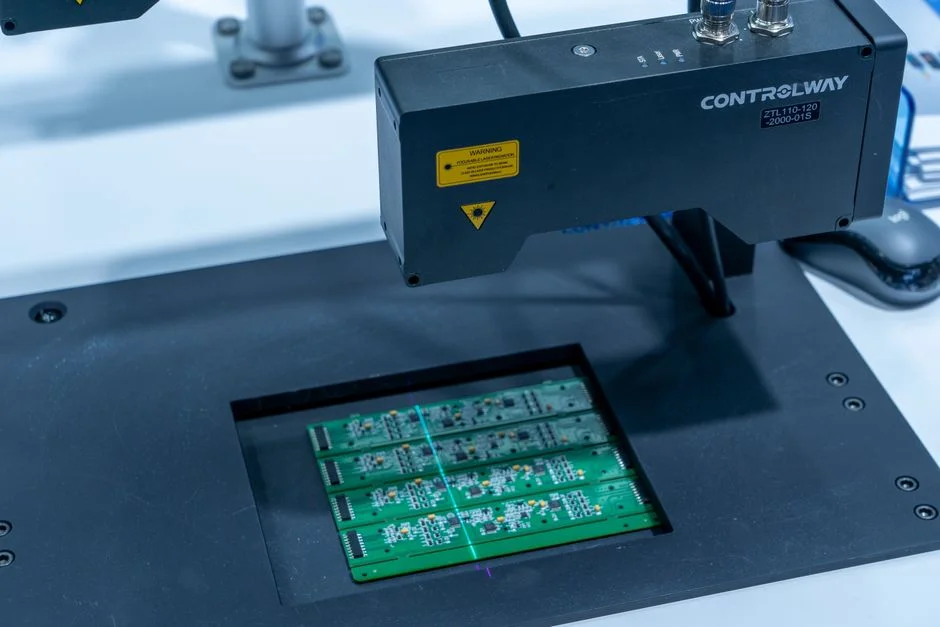

Computer vision in manufacturing is not a panacea for operational inefficiency. It cannot compensate for poor sensor placement, lack of lighting standardization, or fundamentally unstable manufacturing processes. If your assembly line produces variable, non-repeatable outcomes due to mechanical inconsistency, no amount of AI-driven image processing will magically solve your defect rate. Before deploying high-fidelity camera arrays, stakeholders must recognize that computer vision is an interpretation layer, not a mechanical correction tool.
At NR Tech Studio, we view computer vision as a high-precision diagnostic instrument. It excels at identifying deviations in geometry, surface finish, and component placement that elude human operators over long shifts. However, the efficacy of this automation relies entirely on the quality of the training data and the robustness of the inference pipeline. This guide examines how manufacturers can transition from manual inspection to automated, vision-based quality assurance while managing the technical debt and architectural complexity inherent in industrial-grade deployments.
The Architectural Reality of Industrial Vision Systems
Deploying computer vision for quality control is fundamentally an exercise in data pipeline management. In a typical manufacturing environment, images must be captured, pre-processed, and analyzed with sub-second latency to maintain line speed. The most common mistake we observe in early-stage deployments is the failure to distinguish between edge-side inference and cloud-based processing. For real-time rejection systems, you must rely on edge computing. The round-trip latency of sending high-resolution images to a public cloud provider is prohibitive for high-speed conveyor belts.
We recommend a hybrid architecture. Use dedicated industrial PCs equipped with NVIDIA Jetson or similar edge-accelerated hardware for the inference engine. These devices should run optimized models—often quantized to INT8 precision—to ensure the vision pipeline can keep pace with physical production rates. The cloud, by contrast, is reserved for long-term data archival, model retraining, and centralized reporting dashboards. By decoupling the inference logic from the historical analysis, you maintain system resilience even during internet outages, a critical requirement for factory-floor stability.
Data Governance and Training Set Integrity
A computer vision system is only as capable as the variance captured in its training dataset. In manufacturing, the primary challenge is the ‘imbalanced data’ problem: your production line likely produces 99.9% good parts and 0.1% defects. Training a model on this distribution will result in an algorithm that simply predicts ‘pass’ for every input. To overcome this, you must invest in synthetic data generation or aggressive data augmentation techniques that simulate the specific defect modes you intend to catch.
Data governance also involves rigorous labeling standards. We advocate for a multi-stage labeling process where senior quality engineers validate the annotations produced by automated tools. Furthermore, implement version control for your datasets, just as you would for software source code. If a model starts underperforming, you must be able to trace its behavior back to specific training iterations and dataset versions to conduct a root-cause analysis. This level of rigor is the difference between a prototype that works in a lab and a system that survives on a factory floor.
Managing Total Cost of Ownership
The cost of implementing computer vision goes far beyond the initial procurement of cameras and GPUs. The Total Cost of Ownership (TCO) includes long-term maintenance of the physical hardware—which is subject to vibration, dust, and temperature fluctuations—and the ongoing cost of model fine-tuning. As your production line changes or new product variants are introduced, your models will suffer from ‘concept drift,’ requiring consistent re-training to maintain accuracy.
We structure our projects to balance high initial performance with long-term adaptability. Below is a breakdown of the cost structures typically associated with these implementations:
| Model | Scope | Cost Drivers |
|---|---|---|
| Hourly Consultation | Proof of Concept | Senior engineering time, feasibility studies |
| Fixed-Price Development | MVP Deployment | Hardware integration, initial model training |
| Managed Service | System Maintenance | Model retraining, infrastructure monitoring |
A typical vision-based inspection module requires 200-400 hours of specialized engineering effort, covering everything from PLC integration to model deployment. Expect to allocate a significant portion of the budget to environmental shielding and lighting infrastructure, as these physical factors are the most frequent causes of system failure.
Hardware Selection and Environmental Constraints
Choosing the right hardware is a balance between resolution, frame rate, and environmental durability. In many manufacturing environments, high-resolution cameras are less important than proper lighting. We frequently see clients over-invest in 4K resolution cameras while ignoring the importance of monochromatic, strobe-synchronized LED lighting. Properly controlled lighting reduces the variability that the neural network must account for, significantly simplifying your model architecture.
Consider the ingress protection (IP) ratings for all hardware. Dust and humidity are the enemies of precision optics. If your facility involves metal fabrication or chemical processes, you must invest in NEMA-rated enclosures that prevent contaminants from reaching the sensors. Furthermore, ensure that your cabling infrastructure is industrial-grade. Standard Ethernet cables will fail under the mechanical stress of a production line; use shielded, ruggedized connectors to prevent signal degradation and intermittent disconnects that can halt production for hours.
Integration with Existing ERP and MES Systems
A computer vision system that operates in a silo is a failed investment. To derive true business value, your vision system must communicate directly with your Manufacturing Execution System (MES) or ERP. When a defect is detected, the system should trigger an immediate update in your inventory tracking, adjust the production count, and log the specific defect type for trend analysis. This allows you to correlate vision-detected defects with upstream process parameters.
We use standard industrial protocols like OPC-UA or Modbus/TCP to bridge the gap between vision systems and factory controllers (PLCs). By standardizing these interfaces, you ensure that the vision system can be easily swapped or upgraded without requiring a complete rewrite of your factory software stack. This modularity is essential for maintaining a long-term, scalable automation strategy that can grow alongside your manufacturing capabilities.
Scalability and Model Drift Management
Scalability in computer vision means the ability to replicate a successful inspection station across multiple lines or facilities. This requires a centralized model management platform where you can push updates to multiple edge devices simultaneously. Without this, you will find yourself manually updating software on dozens of machines, which is not only inefficient but prone to human error. Use containerization technologies like Docker to ensure that the environment on the edge matches the environment used for development and testing.
Model drift is inevitable as mechanical components wear down or raw material suppliers change. You must implement automated monitoring that tracks the ‘confidence score’ of your model’s predictions. When the average confidence score begins to decline, the system should flag the need for a dataset refresh. This proactive approach to maintenance ensures that your quality control automation remains accurate over years of operation, rather than degrading slowly until it becomes useless.
Security Implications of Industrial AI
Industrial AI systems introduce new attack vectors that are often overlooked. A compromised vision system could be used to feed false ‘pass’ results into your database, effectively bypassing your entire quality control process. You must secure the communication between the edge device and the central server using mutual TLS (mTLS) authentication. Furthermore, limit the physical access to the edge hardware to prevent unauthorized modification of the camera positioning or the local storage media.
Network segmentation is equally critical. The vision hardware should reside on a restricted VLAN that is isolated from the main corporate network. Only the necessary telemetry and log data should be allowed to traverse the boundary between the operational technology (OT) network and the enterprise IT network. By treating your vision system as an untrusted endpoint, you significantly reduce the risk of lateral movement by potential adversaries who might target your production infrastructure.
Addressing Common Implementation Pitfalls
The most common pitfall we encounter is the ‘over-engineering’ of the initial solution. Start by solving the most frequent, high-impact defect. Do not attempt to build a system that detects every possible anomaly on day one. By focusing on a single, well-defined problem, you can establish the baseline performance and prove the ROI to stakeholders. Once the foundation is solid, you can expand the system’s scope through iterative updates.
Another frequent error is ignoring the human-in-the-loop requirement. Even the best automated systems will occasionally produce a false positive. Your UI must provide an intuitive way for operators to quickly review flagged items and override the system if necessary. This feedback loop not only provides an immediate fix but also generates high-value data that can be used to improve the model’s accuracy in the next training cycle.
Selecting the Right Development Partner
When selecting a partner to implement computer vision, prioritize firms that understand the intersection of software engineering and mechanical manufacturing. A pure software firm will often underestimate the physical challenges of a factory floor, while a traditional automation firm may lack the depth in modern machine learning required to build truly flexible, intelligent systems. Look for partners who emphasize documentation, modular architecture, and long-term support.
Ask potential partners about their experience with specific hardware platforms like NVIDIA Jetson or OAK-D sensors. Inquire about their approach to data labeling and their process for model versioning. A reputable partner should be able to provide a clear roadmap for how they will handle the transition from a pilot program to a full-scale deployment, including the necessary training for your internal maintenance staff.
Exploring Our Development Services
At NR Tech Studio, we specialize in building robust, scalable software that integrates seamlessly with complex industrial environments. Whether you are looking to automate a single inspection station or overhaul your entire quality control pipeline, we provide the technical expertise to ensure your investment delivers measurable results. [Explore our complete Software Development directory for more guides.](/topics/topics-software-development/)
Factors That Affect Development Cost
- Hardware setup and lighting infrastructure
- Data collection and labeling requirements
- Model training and iterative refinement
- Integration with existing MES/ERP systems
- Ongoing maintenance and model drift management
Total investment varies widely based on the complexity of the defect detection and the physical environment, with pilot projects typically requiring several hundred hours of specialized engineering.
Computer vision in manufacturing is a powerful tool for those who approach it with the necessary technical rigor. By prioritizing data integrity, robust edge-side architecture, and seamless integration with existing industrial systems, you can transform your quality control from a reactive process into a predictive, automated asset. Success requires a commitment to ongoing maintenance and a clear understanding that the system is only as good as the data it processes.
If you are ready to modernize your production line, we invite you to discuss your requirements with our team. We offer comprehensive architectural audits to evaluate your current setup and identify the most impactful areas for automation. Let us help you build a system that stands the test of time and delivers consistent, reliable quality.
NR Tech Studio builds custom web apps, mobile apps, SaaS platforms, and internal tools for growing businesses. If you’re working through a technical decision, feel free to reach out — no commitment required.