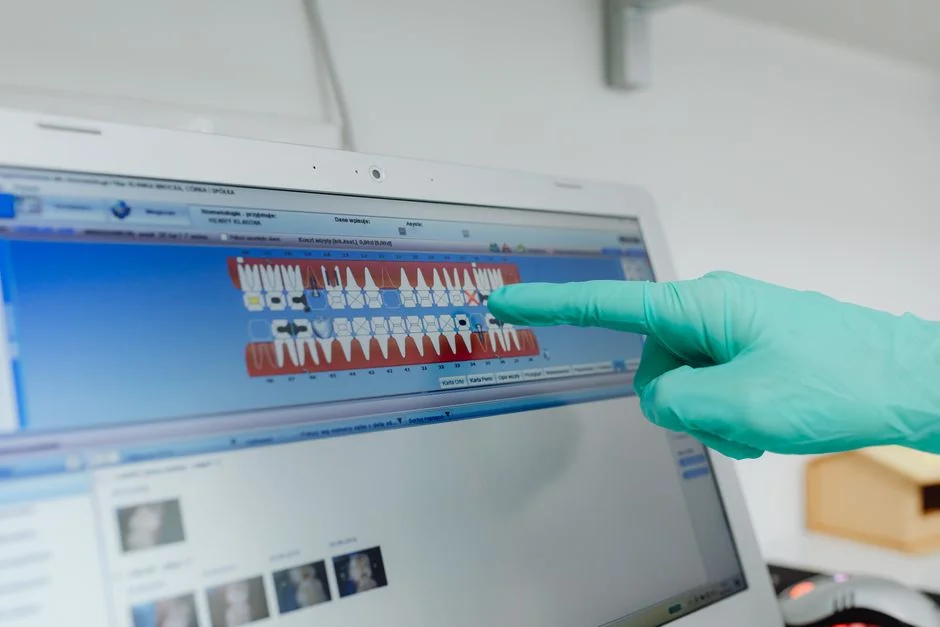

Modern dental practice management software (DPMS) has evolved from simple scheduling tools into complex, data-centric ecosystems that form the operational backbone of clinical performance. As CTOs and stakeholders evaluate the path forward, the conversation has shifted from mere feature parity to deep architectural integrity. The current industry roadmap, driven by the need for interoperability and real-time clinical analytics, suggests that future-proof platforms must prioritize modularity, robust API surface areas, and uncompromising security protocols.
Developing or upgrading a DPMS requires more than just functional requirements; it demands a strategic alignment between clinical workflow efficiency and technical scalability. Whether you are addressing technical debt in legacy systems or architecting a new SaaS solution from the ground up, understanding the nuances of clinical data management, imaging integration, and regulatory compliance is paramount. This article explores the engineering requirements necessary to build or maintain a competitive dental practice management platform in an increasingly digitized healthcare landscape.
Core Architectural Pillars for Clinical Data Systems
At the heart of any dental practice management platform lies the patient record, which must be treated as a high-integrity, immutable audit trail. Unlike generic CRM systems, DPMS architectures must account for clinical charting, periodontic history, and complex insurance billing hierarchies. A common technical failure in this domain is the attempt to shoehorn clinical data into non-relational structures that lack the ACID compliance required for healthcare financial auditing.
When designing these systems, we recommend a robust relational model utilizing engines like PostgreSQL for its strict data integrity and support for complex transactional queries. The schema must be highly normalized to prevent data anomalies, particularly when handling multi-provider scheduling logic or intricate treatment plan dependencies. Furthermore, as you manage patient health information, you must adhere to rigid privacy frameworks. For teams navigating this complexity, understanding the nuances of building HIPAA-compliant software on standard cloud infrastructure is essential to ensure that your data storage, encryption at rest, and transit protocols meet federal mandates without sacrificing system performance.
Consider the following schema snippet for a treatment plan module, which demonstrates the necessity of linking clinical procedures to specific tooth surfaces and insurance codes:
CREATE TABLE treatment_plans (id UUID PRIMARY KEY, patient_id UUID NOT NULL, status VARCHAR(20), total_amount DECIMAL(10,2), created_at TIMESTAMP WITH TIME ZONE DEFAULT CURRENT_TIMESTAMP); CREATE TABLE procedure_codes (code VARCHAR(10) PRIMARY KEY, description TEXT, base_fee DECIMAL(10,2));This level of rigor ensures that your application provides a single source of truth for both the clinician and the billing department. Scaling this architecture requires careful consideration of read-heavy workloads during peak office hours, where caching strategies and read replicas must be implemented to maintain sub-second response times for the front desk staff.
The Strategic Economics of DPMS Development
Evaluating the total cost of ownership (TCO) for dental software requires a granular breakdown of development, maintenance, and compliance costs. A common misconception is that off-the-shelf software eliminates the need for internal technical oversight. In reality, the integration of third-party imaging systems, clearinghouses, and specialized diagnostic hardware often requires a custom middleware layer, which introduces ongoing maintenance overhead.
When outsourcing the development of these systems, stakeholders must choose between various pricing models. Project-based fees are often tempting for initial MVP builds, but they lack the flexibility required for the iterative nature of healthcare software. Hourly-based models, when paired with clear sprint objectives, provide better visibility into the engineering velocity and technical debt accumulation. The following table outlines the comparative costs for different development approaches:
| Model | Primary Cost Driver | Risk Profile | Suitability |
|---|---|---|---|
| Hourly Outsourcing | Developer Skill Level | Moderate (Scope Creep) | Iterative SaaS Evolution |
| Fixed Project Fee | Defined Scope | High (Hidden Debt) | Initial MVP/Prototype |
| Monthly Retainer | Team Capacity | Low (Consistent Velocity) | Long-term Maintenance |
A typical high-complexity DPMS development project usually spans 1,200 to 2,000 hours for an initial functional release. At professional rates, this translates into significant capital expenditure. It is critical to account for the hidden costs of regulatory compliance audits, which can add 15-20% to your total development budget. When comparing these models, remember that the lowest hourly rate often leads to higher long-term costs due to poorly documented code and architectural shortcuts that require expensive refactoring.
Managing Technical Debt in Legacy Healthcare Systems
Legacy systems in the dental space are often plagued by monolithic architectures that prevent the adoption of modern frontend frameworks. Many older platforms rely on desktop-based clients that struggle with modern web-based interoperability requirements, such as FHIR (Fast Healthcare Interoperability Resources) standards. Transitioning these systems requires a phased approach, often utilizing a strangler-fig pattern to replace individual services—such as scheduling or billing—with microservices without disrupting clinical operations.
The shift from traditional, rigid development cycles toward more agile, modern workflows is a significant hurdle. In contrast to the speculative nature of vibe coding vs traditional software development, where rapid prototyping might be acceptable for consumer apps, healthcare software demands rigorous test-driven development (TDD) and comprehensive CI/CD pipelines. You cannot afford to deploy code that might corrupt a patient’s insurance ledger or diagnostic history. Therefore, your migration strategy must prioritize automated regression testing and strict schema versioning. By isolating the database access layer, you can gradually move logic to a modern backend while maintaining backward compatibility with existing desktop plugins, eventually decommissioning the legacy client once the web-based alternative reaches feature parity.
Interoperability and Third-Party Ecosystem Integration
A dental practice management platform does not exist in a vacuum. It must communicate with digital imaging sensors, intraoral cameras, insurance clearinghouses, and patient communication portals. The technical challenge lies in managing these disparate protocols—many of which are proprietary and lack modern RESTful APIs. Building a robust integration layer requires a dedicated message broker or event bus architecture that can ingest data asynchronously, ensuring that a slow response from an insurance verification service does not lock the entire UI for the user.
We have found that implementing a standardized adapter pattern is the most effective way to handle these integrations. By creating a unified interface for all imaging hardware, you simplify the maintenance of your imaging module, allowing your team to add support for new sensors without modifying the core application code. This modularity is essential for maintaining a competitive edge, as the dental hardware market is constantly introducing new diagnostic tools that practices expect their software to support immediately upon acquisition.
Scalability and Performance Considerations
As a practice grows from a single location to a multi-clinic enterprise, the performance profile of the database changes dramatically. A system that performs well with five concurrent users will often experience deadlocks and query contention once you move to a multi-tenant cloud environment with fifty simultaneous users. To mitigate this, you must implement row-level security (RLS) and partition your database tables by clinic ID to ensure that queries remain performant even as the dataset grows into the millions of rows.
Furthermore, the frontend must be optimized for performance. Using frameworks like React or Next.js allows for efficient state management of the patient chart, which is often a complex, multi-layered component. By leveraging server-side rendering for initial load times and WebSockets for real-time updates—such as showing that a patient has arrived in the lobby—you create a responsive environment that clinicians find intuitive. Do not underestimate the impact of network latency in remote or rural dental offices; building offline-first capabilities using service workers and local storage buffers is a non-negotiable feature for modern enterprise-grade dental software.
Strategic Resource Allocation and Authority
Successfully navigating the development or maintenance of dental practice management software requires a deep understanding of the intersection between clinical workflow and software engineering. Whether you are managing the transition from a monolithic legacy system or architecting a new cloud-native platform, the decisions you make regarding database schema, security compliance, and integration strategy will dictate the long-term viability of your solution. We encourage you to continue your research into best practices for high-scale, secure software systems.
Explore our complete Software Development — Outsourcing directory for more guides.
Factors That Affect Development Cost
- Complexity of clinical workflows
- Number of third-party hardware integrations
- Compliance and security audit requirements
- Database migration and data cleansing volume
- Support for multi-tenant enterprise architectures
Development costs fluctuate significantly based on the depth of clinical features and the necessity for regulatory compliance certifications.
The development of dental practice management software is a high-stakes endeavor that requires balancing clinical precision with modern engineering scalability. By prioritizing a modular architecture, enforcing strict data integrity, and planning for the long-term maintenance of third-party integrations, engineering leaders can build platforms that not only manage practice operations but actively enhance clinical outcomes. The transition from legacy constraints to modern, compliant systems is a complex process, but it remains the only viable path for sustained growth in this specialized healthcare market.
NR Studio builds custom web apps, mobile apps, SaaS platforms, and internal tools for growing businesses. If you’re working through a technical decision, feel free to reach out — no commitment required.