Building a robust podcast hosting platform using WordPress is a venture that requires a clear understanding of technological boundaries. WordPress, in its core architecture, is not a media-processing engine. It cannot natively perform high-concurrency audio transcoding, nor can it serve massive binary files with the low-latency requirements of a global content delivery network (CDN) without significant infrastructure augmentation. Attempting to force the PHP-FPM process to handle multi-gigabyte file uploads or real-time audio stream manipulation will inevitably lead to memory exhaustion and server-side timeouts.
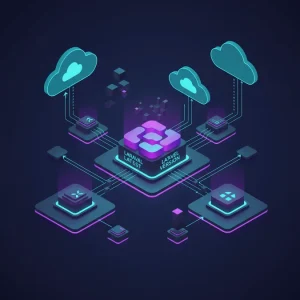
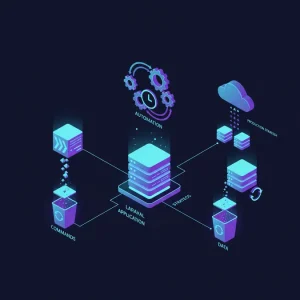
To successfully deploy a podcast hosting platform within the WordPress ecosystem, engineers must treat WordPress as the administrative interface and metadata management layer, while delegating the heavy lifting of media ingestion, storage, and distribution to specialized cloud services. This separation of concerns is the foundational principle for maintaining system stability. By leveraging the REST API for content orchestration and external object storage for binary data, developers can build a reliable platform that avoids the common pitfalls of monolithic application architecture.
Designing the Media Ingestion Pipeline
The ingestion pipeline is the most critical phase in podcast hosting development. When a user uploads a high-bitrate audio file, the system must handle the request without blocking the main event loop or saturating the PHP memory limits. A traditional file upload to the WordPress wp-content/uploads directory is insufficient for a professional-grade platform. Instead, developers should implement a direct-to-cloud upload mechanism using signed URLs. By generating a temporary, secure signature from an S3-compatible service, the client can upload the media file directly to object storage, bypassing the WordPress application server entirely. This approach significantly reduces the load on your server, ensuring that the application remains responsive even during peak upload times.
Once the file resides in the cloud, you must trigger an asynchronous processing task. Using a library like aws-sdk-php, your WordPress instance should send a notification to a message queue or a serverless function, such as AWS Lambda, to handle the transcoding. This process converts various input formats into standardized, web-optimized MP3 or AAC files. This is similar to the rigor required when managing development workflows in a staging environment to prevent production instability. By offloading transcoding, you ensure that your primary database remains focused on metadata management rather than binary manipulation. Developers should monitor the processing queue via a dashboard to identify any bottlenecks in the ingestion flow before they impact the end-user experience.
Database Schema Optimization for High-Concurrency Metadata
A podcast hosting platform generates significant metadata, including episode details, RSS feed configurations, and listener analytics. Storing this information in the standard wp_posts and wp_postmeta tables, while convenient, can lead to performance degradation as the record count grows into the millions. Standard WordPress metadata structures often require multiple joins to retrieve even basic episode information, which can cause slow query execution times. To optimize your database schema, consider creating custom tables that map specifically to your podcast data objects. This reduces table bloat and allows you to implement specialized indexes that support high-speed lookups for RSS feed generation.
When scaling, you might find that optimizing your database schema is the only way to maintain sub-100ms response times for API requests. Implementing caching layers like Redis for frequently accessed metadata, such as episode titles or show descriptions, is essential. Furthermore, ensure that your database indices are properly aligned with the query patterns of your REST API endpoints. If your platform requires granular analytics, such as per-episode download counts, avoid writing these directly to the primary relational database. Instead, aggregate these metrics in a time-series database and periodically update the WordPress metadata. This strategy mimics the efficiency needed when managing high-growth e-commerce operations, where database performance is directly tied to user conversion rates.
RSS Feed Generation and Performance Considerations
The RSS feed is the lifeblood of a podcast. It must be valid, performant, and highly available. Generating an RSS feed dynamically from the database for every request is a recipe for disaster, especially as your platform scales to support thousands of shows. Instead, adopt a strategy of static file generation. Whenever a podcaster updates their episode metadata or uploads a new file, your system should trigger a background process to regenerate the XML feed and push it to a CDN. This ensures that when a podcast aggregator requests the feed, they receive a pre-rendered, cached version that requires zero computational effort from your WordPress server.
Developers must also be vigilant about the performance of their API integrations. If you notice that your development team is struggling to keep up with these requirements, it may be a sign of operational drift within your outsourced partnerships. Monitoring the latency of feed updates is crucial. Use a robust caching strategy that includes cache invalidation hooks. When a new episode is published, the invalidation logic should purge only the affected feed, rather than the entire site cache. This granular control maintains a high hit rate on your edge caches, ensuring that listeners experience no delay in receiving new content.
Security and Integrity in Multi-Tenant Environments
In a multi-tenant podcast hosting platform, security and data isolation are paramount. Every podcaster must have strict access controls to their own media files and metadata. Leveraging WordPress’s native user roles is a starting point, but you should implement a custom permission layer that integrates with your media storage bucket policies. By using scoped access tokens, you can ensure that even if a user manipulates their session, they cannot access media files belonging to another account. Furthermore, input validation must be rigorous. Sanitize all RSS feed metadata to prevent XML injection attacks, which could compromise the integrity of the syndicated feeds.
Consider implementing a robust logging and monitoring system that tracks all administrative actions. If a breach occurs, having a detailed audit trail is essential for forensic analysis. Furthermore, ensure that all communication between your WordPress instance and the external media storage service is encrypted in transit and at rest. Security in this context is not a static state; it is a continuous process of hardening your APIs and reviewing your server configurations. By treating security as a first-class citizen in your development lifecycle, you protect your platform from the common vulnerabilities that plague poorly architected multi-tenant systems.
Scaling Through Architectural Decoupling
The ultimate goal for a podcast hosting platform is to minimize the role of WordPress to that of a headless CMS. By decoupling the front-end (the podcast website or listening player) from the back-end (WordPress), you gain the flexibility to scale each component independently. You can use a React-based front-end that fetches data from the WordPress REST API, allowing the user interface to remain responsive even if the WordPress administration area is under high load. This architecture also allows you to deploy your front-end on a global CDN, providing an excellent experience for listeners worldwide.
As you refine your platform, focus on building modular components. Each feature, from audio transcription to analytics reporting, should exist as an independent service that communicates via well-defined APIs. This modularity makes maintenance significantly easier and allows for seamless upgrades or replacements of specific services without disrupting the entire system. By adhering to these engineering principles, you create a sustainable platform that can handle growth without the technical debt that typically accumulates in poorly planned WordPress projects.
Explore our complete WordPress — Development directory for more guides. Explore our complete WordPress — Development directory for more guides.
Developing a podcast hosting platform on WordPress requires a disciplined approach to architecture, prioritizing performance and scalability over native functionality. By offloading resource-intensive tasks to dedicated cloud services, optimizing database interactions, and implementing a headless strategy, you can create a platform that rivals specialized SaaS solutions while maintaining the administrative ease of WordPress.
Success in this field is defined by your ability to manage complexity through separation of concerns and robust API design. As your platform grows, continue to iterate on your ingestion pipelines and caching strategies to ensure that the user experience remains consistent and fast for listeners across the globe.
NR Studio builds custom web apps, mobile apps, SaaS platforms, and internal tools for growing businesses. If you’re working through a technical decision, feel free to reach out — no commitment required.