Many small law firms operate under the mistaken belief that off-the-shelf software is inherently more secure and reliable than a bespoke system tailored to their specific workflows. In reality, generic case management platforms often force firms to adapt their internal processes to match rigid database structures, creating significant friction during high-stakes litigation or complex client onboarding. By understanding the underlying software architecture, small firms can avoid the common traps of vendor lock-in and operational inefficiency.
This article examines the critical technical considerations for implementing robust case management solutions. We will explore how to structure data for compliance, the necessity of modular system design, and the importance of maintaining technical documentation. Whether you are building from scratch or evaluating a platform, the focus must remain on long-term maintainability and data sovereignty. Understanding these principles is essential when you consider how to choose a software development company to handle your firm’s digital infrastructure.
Data Modeling for Legal Workflow Optimization
The core of any effective case management software lies in its data model. Unlike generic CRM systems, legal software must account for the complex relationships between clients, opposing counsel, court jurisdictions, and multi-layered document hierarchies. A properly normalized database schema ensures that you can track the entire lifecycle of a case without losing context. When designing these systems, engineers must prioritize relational integrity, ensuring that sensitive documents are linked securely to specific case IDs while adhering to strict access control lists (ACLs).
Small firms often struggle with unstructured data. Implementing a well-defined schema allows for granular reporting and automated workflows. For example, if you are planning a project, you should reference how to scope a software development project to ensure your data requirements are clearly defined before development begins. By utilizing a modular approach, you can iterate on your data model as your practice evolves. This flexibility is vital when you need to integrate new compliance standards or adapt to changing court filing procedures. Furthermore, utilizing UX research methods for software teams helps ensure that the data entry process is intuitive for paralegals and attorneys, reducing the risk of human error in case file management.
Security Implications and Data Sovereignty
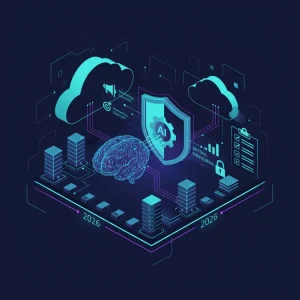
Security is the paramount concern for any legal software architecture. Small firms are frequent targets for data breaches, making the implementation of end-to-end encryption and robust authentication mechanisms non-negotiable. When developing or selecting a platform, you must ensure that your system architecture supports granular Role-Based Access Control (RBAC). This allows you to define exactly who can view, edit, or delete sensitive case files. Furthermore, understanding the physical location of your servers is crucial for regulatory compliance, especially when dealing with privileged client information.
If you are concerned about the integrity of your current vendor, you might find it useful to conduct a technical audit to identify potential vulnerabilities. Security is not a static feature but an ongoing process. Just as in strategic insurance software development, building for compliance requires a proactive approach to threat modeling. You must ensure that your development team follows a rigorous Git branching strategy to maintain code quality and prevent unauthorized modifications to production environments. This disciplined approach is essential for preventing the introduction of security flaws during feature updates.
Integration Strategy and REST API Development
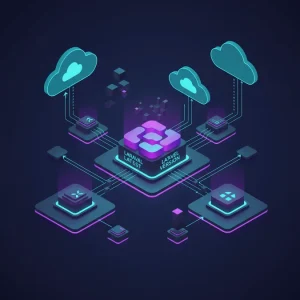
Modern law firms rely on a stack of tools including document management systems, calendar integrations, and billing software. A closed, monolithic system that does not support external integrations will eventually hinder your growth. The most resilient approach is to utilize a microservices architecture where the case management system acts as a central hub, communicating with peripheral tools via secure REST APIs. This architecture allows you to swap out components—such as migrating from one billing provider to another—without impacting your core case data.
Before signing any vendor agreement, perform technical due diligence to ensure the software supports the necessary hooks and webhooks for real-time data synchronization. If you are outsourcing this development, asking strategic questions to ask a software house before signing a contract will help you clarify their approach to API documentation and versioning. An API-first design philosophy ensures that your firm remains agile, allowing you to build custom dashboards or mobile interfaces that provide real-time updates to clients without exposing your internal database directly.
Operational Continuity and Technical Debt Management
Technical debt is a silent killer of small law firm operations. When developers take shortcuts to meet tight deadlines, the resulting code complexity makes future maintenance increasingly expensive and risky. To maintain operational continuity, you must establish a process for managing technical debt early in the development lifecycle. This involves regular refactoring and ensuring that your documentation is up to date. If you are struggling with a legacy system that is failing, consider reading about strategic software support services to understand how to stabilize your environment.
Effective engineering leadership relies on disciplined planning. Utilizing the technical sprint planning guide for engineering leaders can help your team prioritize critical bug fixes over aesthetic feature requests. This balance is vital for long-term survival. Remember that even in specialized industries like supply chain software development, the fundamental principles of managing technical debt remain the same: prioritize system stability, maintain clear interfaces, and never compromise on the integrity of the underlying data structures.
Building vs. Buying: A Technical Perspective
The choice between building a custom solution and purchasing a commercial product is often oversimplified. From a technical standpoint, the decision should be based on your firm’s unique operational requirements and the availability of development talent. If your firm operates in a niche area of law that requires highly specific workflows, a bespoke solution might be the only way to achieve true efficiency. Conversely, if your needs are standard, a well-vetted commercial platform may be sufficient. However, never assume that a commercial platform is a permanent solution; technology evolves, and your needs will change.
When evaluating the cost of development, consider the software development hourly rate by country to understand how global talent pools can impact your budget. Building a custom system also requires a long-term commitment to maintenance. If you are considering this path, you must also consider software development for government projects as a reference point for high-stakes compliance and documentation requirements. A custom build gives you total control, but it also places the burden of security and uptime squarely on your firm’s shoulders.
Scalability and Future-Proofing the Infrastructure
As your firm grows, your case management software must scale accordingly. This does not just mean adding more users; it means handling increased data volume, complex query requirements, and potentially multiple office locations. A scalable architecture uses cloud-native technologies that allow for horizontal scaling, where resources are allocated dynamically based on demand. This prevents performance degradation during peak activity, such as during heavy litigation periods.
Future-proofing also involves staying informed about industry trends in software development. For those interested in expanding their reach, understanding how to generate high-quality leads for a software development agency can be a useful exercise in understanding how software companies themselves scale their operations. By focusing on modularity, clear API design, and robust testing, you ensure that your platform can accommodate future technologies, such as advanced analytics or AI-driven document review, without requiring a complete system overhaul.
The Role of Documentation in System Governance
Documentation is frequently the most neglected aspect of software development, yet it is the foundation of system governance. For a small law firm, clear documentation of your software’s architecture, API endpoints, and data flows is essential for onboarding new team members and ensuring that external developers can maintain the system if your primary technical partner changes. Without documentation, you are essentially flying blind, unable to troubleshoot issues effectively or understand the implications of system changes.
Governance also involves maintaining a clear record of all system updates and security patches. This is critical for legal compliance, as you may need to demonstrate the integrity of your case management system during audits. Documentation should include both technical specifications for developers and user manuals for staff. By maintaining a rigorous documentation standard, you reduce the risk of knowledge silos and ensure that your software remains a reliable asset rather than a hidden source of operational risk.
Integrating Advanced Tools for Legal Practice
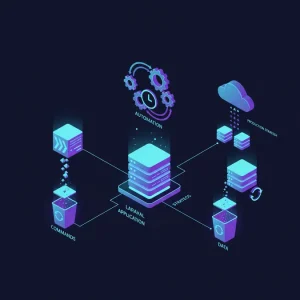
The integration of advanced tools, such as automated document generation, e-discovery platforms, and AI-powered research assistants, is the next frontier for small law firms. These tools can significantly reduce the time spent on administrative tasks, allowing attorneys to focus on high-value legal work. However, integrating these tools requires a robust and flexible software foundation. Your case management system must be able to ingest and process data from these external services securely and efficiently.
When implementing these integrations, always prioritize data privacy. Ensure that any third-party tool you integrate adheres to the same security standards as your internal systems. By building your case management software with an extensible architecture, you make it easier to adopt new technologies as they emerge, ensuring that your firm maintains a competitive edge without sacrificing the security or integrity of your client files. This strategic approach to technology adoption is the hallmark of a forward-thinking legal practice.
Cluster Resources
Navigating the complex landscape of software development for specialized industries requires a deep understanding of both technical and strategic principles. Whether you are managing an internal team or working with an external partner, the goal is always to build a system that enhances your firm’s capabilities rather than creating new operational bottlenecks.
[Explore our complete Software Development — Outsourcing directory for more guides.](/topics/topics-software-development-outsourcing/)
Factors That Affect Development Cost
- Project complexity
- Number of integrations
- Security compliance requirements
- Data migration scope
Development costs fluctuate based on the specific technical requirements and the scale of the system being built.
Building or implementing case management software is a foundational project that defines the operational trajectory of a small law firm. By prioritizing secure architecture, modular design, and long-term maintainability, you can ensure that your technology stack supports rather than hinders your legal practice. Remember that technical decisions made today will have long-lasting implications for your firm’s ability to scale, secure client data, and adapt to new legal technologies.
We encourage you to reach out to our team at NR Studio if you have questions regarding your specific software architecture or if you are looking for guidance on your next development project. Stay informed by subscribing to our newsletter for more technical insights tailored to growing businesses.
NR Studio builds custom web apps, mobile apps, SaaS platforms, and internal tools for growing businesses. If you’re working through a technical decision, feel free to reach out — no commitment required.