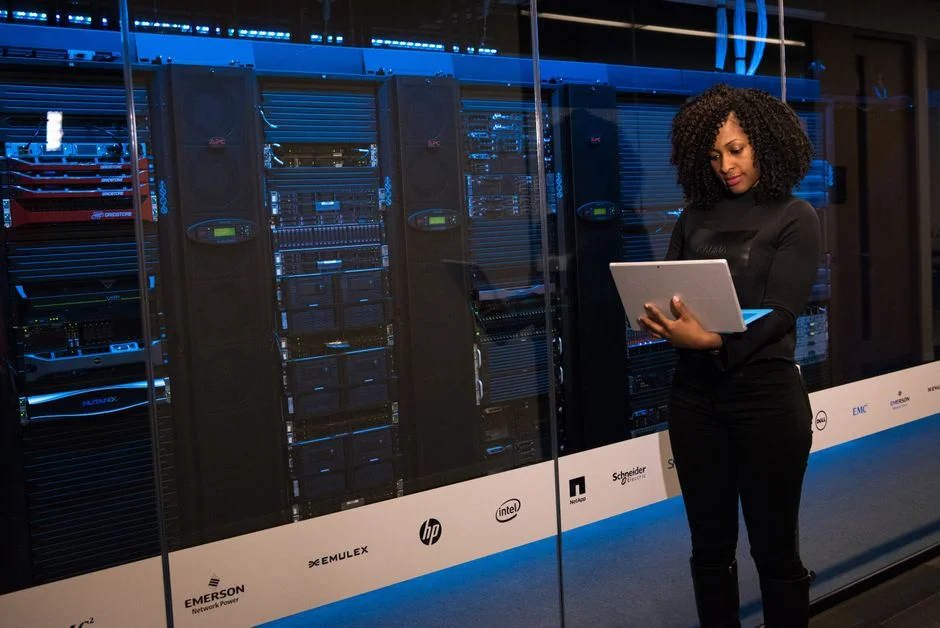
Legacy systems are the silent anchors of many enterprises, providing critical business logic while simultaneously accruing technical debt that threatens operational continuity. When a system reaches a state where maintenance costs eclipse innovation potential, it is no longer an asset but a liability. For CTOs and technical founders, the challenge lies in identifying the tipping point where the risk of catastrophic failure outweighs the effort required for modernization.
This article examines the technical indicators that a system is nearing its end-of-life, the architectural bottlenecks that prevent integration with modern AI and cloud services, and the strategic framework for planning a transition. We will move past superficial symptoms to analyze the underlying degradation of software health.
Technological Stagnation and Security Vulnerabilities
The most immediate sign of a failing legacy system is the inability to patch vulnerabilities effectively. Systems built on outdated frameworks—such as older versions of PHP or legacy .NET frameworks—often lack support for modern security protocols like TLS 1.3 or advanced OAuth2 flows.
- Dependency Hell: You are unable to update core libraries because the current codebase relies on deprecated APIs that have been removed in newer versions.
- Security Compliance Gaps: The system cannot meet modern data protection standards (e.g., GDPR, HIPAA) because the database architecture lacks row-level security or modern encryption-at-rest capabilities.
- Lack of Documentation: Tribal knowledge has replaced formal documentation, making it impossible for new developers to safely refactor code without risking regressions.
Architectural Bottlenecks in Data Integration
Legacy systems often function as monolithic silos. If your team spends more time writing custom wrappers and middleware to move data between your core system and modern SaaS tools, your architecture is failing.
Modernization is not just about updating code; it is about transitioning from a rigid monolith to a modular, API-first architecture.
When you cannot expose data via a clean REST API or integrate with modern event-driven architectures, you are effectively locked out of the AI ecosystem. If you cannot easily feed data into a vector database or an LLM, you are losing the ability to compete on data-driven insights.
Performance Degradation and Scaling Limits
Legacy systems often hit hard scaling ceilings due to inefficient database indexing or lack of support for horizontal scaling. If your system requires vertical scaling—throwing more expensive hardware at a problem rather than optimizing the underlying process—you are approaching a failure point.
Observe the following metrics:
- Database I/O Latency: Are queries taking progressively longer despite hardware upgrades?
- Cold Start Times: Does the system struggle to handle sudden traffic spikes because it cannot utilize containerization or serverless auto-scaling?
- Resource Contention: Are batch jobs and user-facing requests competing for the same locked rows in a legacy SQL database?
The High Cost of Maintenance and Talent Acquisition
The cost of maintaining a legacy system is often hidden in the salary premium required to hire developers who still know the archaic stack. According to industry trends, the cost of staffing for obsolete technologies often exceeds the cost of a full modernization initiative over a three-to-five-year horizon.
Furthermore, the opportunity cost is significant: your best engineers are trapped performing ‘maintenance’ rather than building value-added features. This leads to attrition, as top-tier talent prefers working with modern stacks like Laravel, Next.js, or TypeScript.
Implementation Strategy: The 5 Rs of Modernization
Modernization is not a monolithic binary choice. Depending on the system state, you should evaluate the 5 Rs:
- Rehost: Moving the application to the cloud with minimal changes.
- Replatform: Migrating to a managed service (e.g., moving from an on-premise MySQL to a managed RDS instance).
- Refactor: Restructuring the code to improve performance and maintainability without changing external behavior.
- Rearchitect: Breaking the monolith into microservices or modular components.
- Replace: Retiring the system in favor of a modern SaaS or custom-built solution.
Build vs. Buy Tradeoffs
When deciding whether to rebuild or replace, consider your competitive advantage. If the system performs a generic task (e.g., accounting, HR management), buying a SaaS solution is generally superior to building. If the system contains your core intellectual property or unique business logic, a custom Laravel or Next.js build is often the correct path.
| Factor | Buy (SaaS) | Build (Custom) |
|---|---|---|
| Time to Market | Fast | Slow |
| Customization | Limited | Infinite |
| Long-term Maintenance | Vendor-dependent | Internal-dependent |
Budgetary Considerations and Cost Factors
Modernization budgets are frequently underestimated because they focus on development costs while ignoring the hidden operational overhead. Key factors influencing your budget include:
- Data Migration Complexity: Cleaning, transforming, and mapping legacy data to a new schema is often the most expensive phase.
- Parallel Running Costs: You will likely need to run the old and new systems concurrently for an extended period, doubling your infrastructure spend.
- Training and Change Management: The cost of retraining your staff to use new tools and methodologies is a significant, often overlooked, budget line item.
- Integration Testing: Ensuring that the new system interacts correctly with the rest of your enterprise ecosystem requires extensive regression testing.
The ROI is realized through reduced operational latency, improved security posture, and the ability to deploy features in days rather than months. While the upfront investment is significant, the cost of inaction—system failure and loss of market share—is frequently higher.
Addressing Technical Debt via Incremental Refactoring
You do not always need a ‘big bang’ migration. Incremental refactoring allows for risk mitigation. By using the ‘Strangler Fig’ pattern, you can intercept calls to the legacy system and route them to new, modernized microservices one function at a time.
This approach allows for continuous delivery and provides immediate feedback on performance improvements. It is essential to ensure that your CI/CD pipelines are robust enough to handle the complexity of managing two concurrent versions of the codebase during the transition.
Ensuring Enterprise Integration Integrity
Modern systems must exist within an ecosystem. When modernizing, prioritize the development of a robust REST API layer. This ensures that even if you replace the backend again in the future, your frontend and mobile applications remain decoupled from the underlying logic.
Use standard authentication protocols and emphasize API documentation (e.g., OpenAPI/Swagger) to ensure that your new system is ‘integration-ready’ for future AI and machine learning services.
Conclusion
Recognizing the signs of a failing legacy system is a strategic imperative for any business owner. Whether it is the inability to scale, the rising cost of maintenance, or the security risks inherent in outdated frameworks, the indicators are usually clear to those who look at the data. Modernization is not merely an IT project; it is a business transformation that prepares your organization for the next decade of growth.
By choosing the right strategy—whether refactoring for performance or replacing for agility—you ensure that your software remains a competitive advantage rather than an operational bottleneck.
Factors That Affect Development Cost
- Data migration complexity and volume
- Parallel system maintenance requirements
- Staff training and organizational change management
- Integration testing and regression coverage
- Architectural refactoring vs. total replacement
Modernization costs vary widely based on the scale of the legacy footprint, ranging from modest refactoring efforts to significant multi-year capital investments.
The path to a modernized system is rarely straightforward, but the cost of inaction is consistently higher than the cost of a well-planned transition. By prioritizing architectural health and modularity, you position your organization to leverage modern technology effectively. Assessing your system’s current state against these indicators is the first step toward reclaiming your technical roadmap.
NR Studio builds custom web apps, mobile apps, SaaS platforms, and internal tools for growing businesses. If you’re working through a technical decision, feel free to reach out — no commitment required.