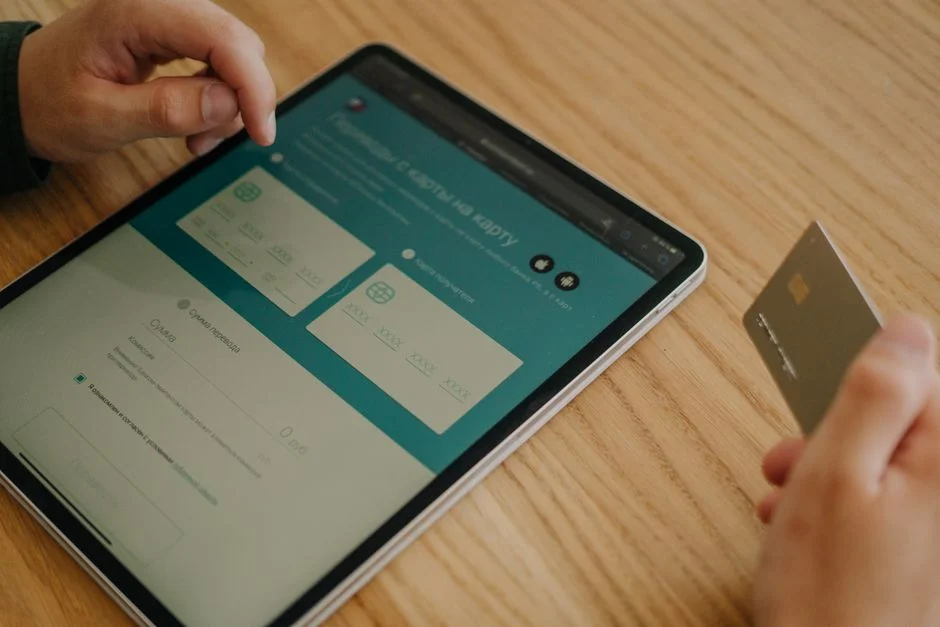
Building a payment gateway from scratch is not a solution for basic e-commerce functionality. It is critical to understand that this architecture cannot replace the necessity of PCI-DSS compliance, nor does it automatically grant you the ability to process raw credit card data without established banking partnerships and merchant acquiring agreements. If your goal is simply to accept payments, integrating existing APIs is the standard approach.
However, for enterprises requiring a custom ledger system, internal payment orchestration, or specialized financial routing, building a gateway involves significant systems engineering. This guide focuses on the architectural rigor required to manage idempotency, transaction atomicity, and secure data handling in a high-concurrency environment.
High-Level Architecture and Data Flow
A robust payment gateway functions as a state machine. It mediates between the merchant application, the acquiring bank, and the card networks. The system must remain non-blocking while ensuring that no transaction is processed more than once.
Key architectural components include:
- API Gateway Layer: Handles authentication, rate limiting, and request validation.
- Transaction Orchestrator: Manages the state transition of a transaction (PENDING -> AUTHORIZED -> CAPTURED/FAILED).
- Vault Service: A physically isolated component for tokenizing sensitive Primary Account Number (PAN) data.
- Integration Adapters: Normalized interfaces for various payment processors (e.g., Visa, Mastercard, AMEX).
Designing the Idempotency Layer
Idempotency is the most critical constraint in financial systems. If a network timeout occurs, the client might retry the request. Without idempotency, this leads to double-billing.
We implement this by requiring an Idempotency-Key header. Before processing, the gateway checks a Redis store:
// Using Redis for atomic check-and-set
$exists = Redis::get("idempotency:{$key}");
if ($exists) return $exists;
Redis::setex("idempotency:{$key}", 86400, $response);
Securing Sensitive Data with Tokenization
Never store raw PAN data in your primary database. Use a dedicated Vault service. When a user submits card data, the gateway sends the raw data to the vault, which returns a non-sensitive token. The database only ever sees this token.
Consider using an HSM (Hardware Security Module) or a managed vault service to handle the encryption at rest. The encryption keys should be rotated frequently, and access logs must be immutable.
Transaction Atomicity and Database Integrity
Financial transactions must adhere to ACID properties. Using a relational database like MySQL or PostgreSQL is mandatory. We use database transactions to ensure that a record of the attempt is saved before we even call the external provider.
DB::transaction(function () use ($request) {
    $transaction = Transaction::create(['status' => 'pending', 'ref' => $request->id]);
    $provider->charge($request->amount);
    $transaction->update(['status' => 'success']);
});
Handling Asynchronous Webhooks
Payment providers often inform the gateway of status changes (e.g., chargeback, late-settlement) via webhooks. These requests must be validated using cryptographic signatures provided by the bank to prevent spoofing.
Process webhooks using a queue system to ensure the system remains responsive under load. Refer to Mastering Laravel Queue Architecture for implementation details on high-performance background processing.
Implementing the Provider Adapter Pattern
Do not hardcode provider logic into your controller. Use the Adapter pattern to normalize disparate API responses into a unified internal format.
interface PaymentProviderInterface {
    public function authorize(float $amount): Response;
}

class StripeAdapter implements PaymentProviderInterface { ... }
class AdyenAdapter implements PaymentProviderInterface { ... }
Monitoring and Observability
In a payment system, silence is dangerous. You need real-time alerts for 5xx errors or sudden spikes in declined transactions. Use distributed tracing to track a single transaction through the API layer, the vault, and the provider adapter.
Metrics to track:
- Latency per provider
- Success/Failure ratio
- Webhook processing delay
Database Performance Tuning
Indexes are your best friend. Every search by transaction ID, merchant ID, or user ID must be covered by a B-Tree index. Avoid table scans at all costs. For high-traffic systems, consider partitioning your transaction tables by month to keep index sizes manageable.
Common Architecture Mistakes
The most common mistake is trusting the client-side state. Never rely on the frontend to tell you a payment succeeded. Only the server-to-server communication between your gateway and the acquiring bank is the source of truth.
Another error is failing to handle partial failures. If the payment succeeds but your database update fails, you now have a desynchronized state. Use Two-Phase Commit or robust retry logic to reconcile these.
Compliance and Security Best Practices
While we focus on software, you must adhere to PCI-DSS Level 1 if handling card data. This involves strict network segmentation, firewall configurations, and regular vulnerability scanning. The software architecture should facilitate this by isolating the payment processing service from the rest of your infrastructure.
Scalability Considerations
Scaling a payment gateway requires stateless application servers and a distributed database approach. As request volume grows, utilize read-replicas for reporting and reserve the primary instance for write-heavy transaction processing. Refer to How to Scale a Laravel Application for structural guidance.
Frequently Asked Questions
Can I build my own payment gateway?
Technically, yes, but it requires significant engineering resources, PCI-DSS compliance certification, and direct agreements with banking partners to process funds.
What is the easiest payment gateway?
For most businesses, integrating established providers like Stripe or Adyen is the easiest path, as they handle the regulatory and security burden for you.
How do payment gateways make money?
Payment gateways typically generate revenue by charging a small percentage fee plus a fixed cost per transaction processed through their infrastructure.
Building a payment gateway is an exercise in defensive programming and strict state management. By prioritizing atomicity, idempotency, and secure tokenization, you can create a reliable financial backbone for your business. The complexity of these systems requires meticulous attention to detail at every layer of the stack.
If you are ready to architect a secure and scalable payment solution, contact NR Studio to build your next project.
NR Studio builds custom web apps, mobile apps, SaaS platforms, and internal tools for growing businesses. If you’re working through a technical decision, feel free to reach out — no commitment required.