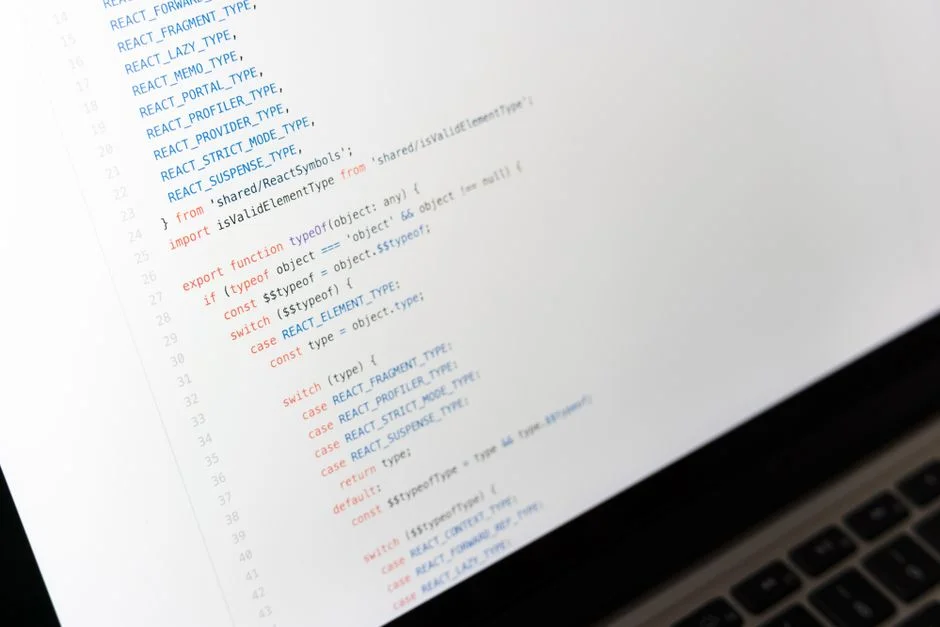

A React Native animation library provides developers with tools and APIs to create dynamic and engaging user interfaces, enhancing the user experience through smooth transitions, interactive feedback, and visual storytelling. These libraries abstract the complexities of native animation engines, enabling declarative and performant animations that are crucial for modern mobile applications. From an architectural standpoint, the choice and implementation of an animation library directly impact application performance, resource consumption, and the overall reliability of the user-facing system.
While animations are primarily client-side operations, their performance characteristics have significant implications for the backend infrastructure, deployment strategies, and ongoing maintenance of a mobile application. Suboptimal animation implementations can lead to increased battery drain, perceived latency, and a degraded user experience, which can indirectly affect server load through higher user churn or increased interaction retries. Therefore, cloud architects must consider how animation choices align with broader system goals, including efficiency, scalability, and maintainability across the entire application stack.
The Strategic Impact of Animations on User Experience and System Load
React Native animation libraries are fundamental tools for crafting engaging and responsive user interfaces, moving beyond static displays to dynamic, interactive experiences. These libraries offer abstractions over the underlying native animation systems, enabling developers to define complex motion with relative ease. The primary goal is to enhance user experience by providing visual feedback, guiding user attention, and making interactions feel fluid and intuitive. However, from a cloud architect’s perspective, the decision to incorporate animations, and the choice of specific animation libraries, extends far beyond mere aesthetics; it critically influences application performance, resource utilization, and ultimately, the operational overhead and scalability of the entire system.
Poorly optimized animations can consume excessive CPU and GPU cycles on the client device, leading to increased battery drain and thermal throttling. This client-side performance degradation can manifest as perceived slowness or jank, directly impacting user satisfaction and retention. When users perceive an application as slow or unresponsive, they may interact with it more frequently, trigger more API calls, or abandon sessions prematurely. Such behaviors can indirectly increase load on backend services, necessitating more robust scaling strategies and potentially higher infrastructure costs. For instance, if a user repeatedly taps a button because the visual feedback is delayed, the backend might receive redundant requests, leading to unnecessary processing and database queries. Architects must therefore ensure that animation strategies prioritize efficiency to mitigate these cascading effects.
Moreover, the complexity of animations can affect application binary size and startup times. Larger application bundles, influenced by heavy animation dependencies or extensive animation assets, translate to longer download times, increased data consumption for users, and potentially higher costs for content delivery networks (CDNs). From an infrastructure perspective, optimizing asset delivery and ensuring efficient over-the-air (OTA) updates become paramount. Architects need to consider how animation assets are managed, compressed, and delivered to devices, leveraging services like AWS S3 or Google Cloud Storage in conjunction with CDNs to minimize latency and bandwidth usage. This involves careful planning of asset pipelines and build processes within a continuous integration/continuous deployment (CI/CD) framework to ensure that only optimized and necessary animation resources are bundled with the application, reducing the overall footprint.
The maintainability of animation code is another critical architectural concern. Different animation libraries offer varying levels of abstraction and paradigms. Adopting a library that aligns with the development team’s expertise and the project’s long-term vision is crucial. A complex, bespoke animation system built with low-level primitives might offer maximum flexibility but could become a significant maintenance burden, especially as the application scales and new features are introduced. Conversely, a high-level declarative library might simplify development but could introduce limitations for highly customized effects. Architects must weigh these trade-offs, advocating for solutions that balance performance, development velocity, and long-term operational stability. This includes evaluating the library’s community support, documentation, and active development status, as these factors directly influence the ease of debugging, upgrading, and extending animation functionalities over the application’s lifecycle.
Core React Native Animation Primitives: Bridging UI to Infrastructure
At the heart of React Native’s animation capabilities are its foundational primitives: the Animated API and LayoutAnimation. Understanding these core components is crucial for any architect, as they represent the baseline performance characteristics and mental model for animation within the framework. The Animated API provides a declarative way to create animations that run on the native UI thread, ensuring smoothness even when the JavaScript thread is busy. This thread-separation is a cornerstone of React Native’s performance strategy, aiming to prevent UI jank. From an infrastructure perspective, this means offloading animation computations from the JavaScript thread, which often handles data fetching and business logic, thereby preserving its capacity for critical application functions that might involve backend communication.
The Animated API works by creating animatable values (e.g., Animated.Value) that can be linked to style properties or other animatable components. These values are then driven by various animation types, such as Animated.timing for duration-based animations or Animated.spring for physics-based motion. The critical architectural insight here is that once an animation is started, it can often be entirely handed off to the native layer. This ‘native driver’ offload minimizes the bridge communication overhead between JavaScript and native code, a common bottleneck in React Native applications. For cloud architects, this translates to a more resilient client application less prone to performance issues that could indirectly impact backend stability. A stable client application reduces the likelihood of users encountering errors or perceived slowness, thereby decreasing the rate of repeated requests or support tickets that might strain operational resources.
LayoutAnimation, on the other hand, is a more global and less granular animation primitive. It allows for automatic animation of layout changes, such as when components are added, removed, or resized. While incredibly powerful for quickly adding fluid transitions to layout updates, its ‘fire and forget’ nature means less fine-grained control compared to the Animated API. Architecturally, LayoutAnimation can simplify development and reduce code complexity for common UI patterns, which can accelerate feature delivery. However, its global scope means that if not used judiciously, it can sometimes lead to unexpected animation behavior or conflicts if multiple layout changes occur simultaneously. Architects should advise teams on its appropriate use, balancing development speed with predictability and performance, especially in complex UIs where precise control is paramount.
Considering the cloud context, the efficiency of these primitives indirectly supports a robust deployment pipeline. Animations built with native drivers are less likely to introduce performance regressions that would necessitate emergency patches or frequent application updates. This stability reduces the operational burden on CI/CD systems, testing infrastructure, and release management processes. When animations are performant and predictable, the overall client application is more stable, leading to fewer bug reports and a more predictable user experience. This reliability is a direct benefit to cloud architects who are responsible for the end-to-end performance and stability of the service. Furthermore, understanding these primitives informs the selection of higher-level animation libraries, as many build upon or optimize these core functionalities. A solid grasp of how these primitives interact with the native environment allows for better decision-making when evaluating third-party solutions, ensuring they align with the desired performance and architectural goals for a scalable mobile application.
Declarative Animation with Reanimated: Architecting for Performance at Scale
react-native-reanimated stands as one of the most prominent and architecturally significant third-party animation libraries for React Native. Unlike the core Animated API which relies on the JavaScript thread to define animation logic before offloading it to the native UI thread, Reanimated allows developers to write animation logic directly in JavaScript that is then compiled and executed entirely on the native UI thread. This fundamental shift eliminates the bridge overhead for animation updates, making it possible to create highly complex, synchronized, and performant animations that remain smooth even when the JavaScript thread is under heavy load. From a cloud architect’s perspective, Reanimated represents a critical tool for building mobile applications that offer desktop-grade fluidity, directly impacting user engagement and perceived application quality.
The ability of Reanimated to execute animation logic natively brings several architectural advantages. Firstly, it significantly reduces the likelihood of ‘jank’ or dropped frames, which are often caused by busy JavaScript threads failing to send animation updates to the native UI thread in time. In high-performance applications, where user interaction heavily relies on immediate visual feedback, this level of smoothness is non-negotiable. For architects, ensuring a consistent and high-quality user experience translates to higher user retention and satisfaction, which are key metrics for any service delivery. A fluid UI also means users are less likely to get frustrated and repeatedly interact with the application, which could otherwise lead to unnecessary backend requests and increased server load. This library effectively pushes computation to the client’s native environment, reducing the pressure on the JavaScript thread to perform time-sensitive UI updates.
Reanimated’s API design, particularly with its “worklets” and “shared values” in version 2+, allows for a highly declarative and functional approach to animations. Worklets are small JavaScript functions that can be executed directly on the UI thread, enabling complex logic to run without touching the JavaScript bridge. Shared values provide a mechanism for components to share mutable state that can be updated from either the UI or JavaScript thread, facilitating synchronized animations across different components. This powerful paradigm enables developers to create intricate gesture-driven animations, scroll-based effects, and transitions that respond instantly to user input. Architecturally, this means that applications can support richer, more interactive user interfaces without compromising on performance, allowing for a more sophisticated frontend that complements a robust backend.
For cloud architects, the adoption of a library like Reanimated implies certain considerations for the overall development and deployment pipeline. While it offers superior performance, it also introduces a native module dependency, requiring careful management of native build configurations and compatibility across different React Native versions and platforms. CI/CD pipelines must be configured to correctly build and package applications that use native modules, ensuring consistency across development, staging, and production environments. Furthermore, performance monitoring tools need to be sophisticated enough to capture and analyze client-side animation performance metrics, identifying potential bottlenecks or regressions. This might involve integrating specialized mobile performance monitoring (MPM) solutions that can track frame rates, CPU/GPU usage, and battery consumption, providing valuable telemetry back to the operational teams responsible for maintaining the application’s overall health. The investment in Reanimated pays off in elevated user experience and reduced indirect strain on backend resources, but it demands a thoughtful approach to build, deployment, and monitoring strategies.
Lottie for React Native: Managing Animation Assets and Delivery Infrastructure
Lottie, an animation library developed by Airbnb, has revolutionized how designers and developers integrate complex, high-quality animations into mobile applications. Instead of relying on traditional frame-by-frame image sequences or laborious code-based animations, Lottie allows developers to render animations exported from Adobe After Effects as JSON files using a native rendering engine. For React Native, lottie-react-native provides the bridge to utilize these lightweight, vector-based animations. From a cloud architect’s perspective, Lottie is not just an animation tool; it’s a critical component in managing digital assets, optimizing content delivery, and ensuring a consistent visual experience across diverse client devices, all while minimizing application bundle size and maximizing deployment efficiency.
The primary architectural benefit of Lottie is its approach to animation asset management. Lottie animations are typically small JSON files, often significantly smaller than equivalent GIF or video assets. This characteristic directly impacts the application’s overall footprint and download size. For architects managing global deployments, this reduction in asset size translates to lower bandwidth costs on CDNs, faster application downloads for users, and more efficient over-the-air (OTA) updates. Instead of bundling large binary assets directly into the application, Lottie animations can be fetched dynamically at runtime from a content delivery network. This strategy allows for iterative updates to animations without requiring a full application store submission, providing agility in visual content management.
Implementing Lottie effectively requires a robust asset delivery infrastructure. Lottie JSON files can be hosted on cloud storage solutions like AWS S3, Google Cloud Storage, or Azure Blob Storage, fronted by a CDN (e.g., CloudFront, Cloudflare, Akamai). This ensures that animation assets are delivered with low latency to users worldwide, improving the perceived responsiveness of the application. The architecture would involve configuring appropriate caching headers, setting up geo-replication for storage buckets, and monitoring CDN performance to guarantee optimal delivery. Architects must also consider versioning strategies for Lottie assets; changes to animations might require invalidating CDN caches and ensuring clients fetch the latest versions without breaking existing UI components. This is similar to how other static assets like images or fonts are managed, but with the added complexity of animation playback.
Furthermore, the use of Lottie separates animation design from development. Designers can create sophisticated animations in After Effects, and these can be integrated into the application with minimal developer intervention. This separation of concerns streamlines the development workflow, reduces iteration cycles, and allows each team to focus on their core competencies. From an infrastructure standpoint, this means that design updates to animations can be deployed quickly and independently of code changes, aligning with a micro-frontend or component-based architecture where UI elements can be updated with high velocity. Architects should ensure that the design-to-development pipeline includes robust tools for Lottie file validation and previewing, to catch any rendering issues early in the development cycle. The flexibility of Lottie to handle a wide range of animation complexities, from simple loading indicators to elaborate onboarding sequences, makes it an indispensable tool for architecting visually rich and performant React Native applications with optimized asset delivery.
Gesture Handling and Interpolation: Architectural Patterns for Interactive Experiences
Interactive animations in React Native often involve complex gesture handling coupled with sophisticated interpolation techniques. These patterns are crucial for creating highly responsive and intuitive user interfaces that react directly to touch input, such as drag-and-drop, swipe-to-dismiss, or pinch-to-zoom functionalities. From a cloud architect’s viewpoint, the efficient implementation of gesture-driven animations is vital because it directly impacts the client-side responsiveness, battery life, and the overall user experience, which in turn influences user engagement and indirectly, the load on backend services by shaping user interaction patterns. A janky or unresponsive gesture system can lead to user frustration and increased interaction attempts, potentially triggering more backend calls.
Libraries like react-native-gesture-handler are foundational for robust gesture recognition in React Native. This library moves gesture recognition logic to the native UI thread, similar to react-native-reanimated, ensuring that gestures are processed without interference from a busy JavaScript thread. This is an architectural necessity for high-performance applications, as it guarantees that user inputs are handled with minimal latency, leading to a smooth and predictable experience. When gestures are processed natively, the application can respond instantly, preventing the perception of lag that often plagues hybrid frameworks. Architects should advocate for the use of such native-driven gesture handlers to establish a solid foundation for interactive animations, ensuring that the client-side input processing is as efficient as possible, thereby minimizing any potential for cascading performance issues.
Interpolation is the process of mapping an input range of values to an output range, often used to translate gesture positions into animation properties (e.g., mapping a swipe distance to an opacity change or a rotation angle). For example, as a user drags an element across the screen, its opacity might fade, or its size might scale. The choice of interpolation function (linear, ease-in, spring-like) and its efficient computation are critical. When combined with native-driven animation libraries like Reanimated, interpolation logic can also be executed directly on the UI thread, further enhancing performance. This means that complex transformations based on user gestures can occur fluidly without taxing the JavaScript thread, which is typically responsible for fetching data or executing business logic. This separation of concerns is an architectural best practice, ensuring that the UI remains responsive even during intensive data operations.
Architects must also consider the testing and monitoring aspects of gesture-driven animations. Due to their interactive nature, these animations can be challenging to test automatically. Robust end-to-end (E2E) testing frameworks are needed to simulate user gestures and verify the correctness and fluidity of animations. Performance monitoring tools should capture metrics related to gesture response times and animation frame rates to identify any regressions. Furthermore, the design of interactive animations should account for accessibility, ensuring that users who cannot perform complex gestures still have alternative ways to interact with the application. From an infrastructure perspective, this means ensuring that the CI/CD pipeline includes comprehensive testing for these interactive elements and that monitoring solutions provide actionable insights into client-side performance, allowing for proactive optimization and maintenance of a high-quality user experience. The strategic integration of gesture handling and interpolation patterns directly contributes to the overall stability and user-centric design of a scalable mobile application.
Performance Bottlenecks in React Native Animations: Diagnosis and Mitigation
Even with advanced animation libraries, React Native applications can encounter performance bottlenecks that degrade user experience. For a cloud architect, understanding these bottlenecks is paramount, as client-side performance issues can indirectly lead to increased support requests, higher user churn, and even impact backend resource utilization if users repeatedly attempt failed interactions. Diagnosing and mitigating these issues requires a systemic approach, considering not just the animation code itself but also its interaction with the JavaScript thread, the native UI thread, and the overall application architecture. The goal is to ensure that animations contribute positively to user engagement without compromising the stability or efficiency of the application.
One of the most common performance bottlenecks stems from excessive communication over the React Native bridge. When animation values are frequently updated on the JavaScript thread and then sent across the bridge to the native UI thread for rendering, this serialization/deserialization overhead can cause delays and jank. This is particularly noticeable with animations that involve many interpolated values or rapid updates. Mitigation strategies for this include leveraging libraries like react-native-reanimated, which allows animation logic to execute directly on the native UI thread, effectively bypassing the bridge for animation updates. Architects should encourage the adoption of such solutions for performance-critical animations, ensuring that the client-side processing is optimized to reduce reliance on costly bridge interactions.
Another significant bottleneck is a busy JavaScript thread. If the JavaScript thread is performing heavy computations, processing large data sets, or handling numerous API responses, it can become unresponsive, delaying animation updates and causing dropped frames. This directly impacts the fluidity of animations, even those that eventually offload to the native UI thread. To mitigate this, architects should advocate for efficient data fetching strategies, background processing for heavy computations (e.g., using Web Workers or native modules), and optimizing rendering cycles. This might involve techniques like virtualization for long lists, debouncing/throttling event handlers, and ensuring that component re-renders are minimized through memoization. The goal is to keep the JavaScript thread as free as possible to handle essential application logic and to dispatch animation instructions promptly.
Over-rendering and complex view hierarchies also contribute to performance issues. Each component in a React Native application has a cost associated with its rendering. If animations trigger re-renders of large parts of the component tree or involve complex, deeply nested views, the native UI thread can become overloaded. This is particularly true for animations that modify layout properties, as they often trigger recalculations across the entire view hierarchy. Architects should promote best practices such as optimizing component structure, using shouldComponentUpdate or React.memo judiciously, and simplifying animated components. For instance, animating properties like opacity or transform (which are composite properties) are generally more performant than animating width or height (which are layout properties), as the former can often be handled directly by the GPU without triggering a full layout pass. Profiling tools, both native (Xcode Instruments, Android Studio Profiler) and React Native specific (Flipper, React DevTools), are indispensable for identifying these bottlenecks and guiding optimization efforts, providing crucial data for architects to make informed decisions about client-side performance.
Monitoring and Observability for Animation Performance in Production
For cloud architects, the responsibility of ensuring a high-quality user experience extends beyond initial development and deployment; it encompasses continuous monitoring and observability of application performance in production environments. While animations are client-side, their smooth execution is a critical component of user perception and can indirectly signal broader system health issues. Implementing robust monitoring for animation performance allows architects to proactively identify regressions, optimize resource utilization, and maintain a consistent, high-fidelity user interface. Without proper telemetry, animation jank or excessive resource consumption might go unnoticed until user complaints escalate, impacting business metrics and requiring costly reactive interventions.
Effective animation performance monitoring typically involves tracking key metrics such as frame rate (frames per second, FPS), CPU/GPU utilization, and memory consumption on the client device. Tools like Flipper, React DevTools, and native profilers (Xcode Instruments for iOS, Android Studio Profiler for Android) are invaluable during development. However, for production, integration with mobile performance monitoring (MPM) solutions is essential. These tools can capture real-time client-side metrics and aggregate them into dashboards, providing insights into animation performance across different devices, operating systems, and network conditions. Architects should ensure that the MPM solution chosen can distinguish between JavaScript thread performance and native UI thread performance, as this distinction is crucial for pinpointing the root cause of animation bottlenecks.
Beyond raw performance metrics, observability for animations also includes user-centric data. This involves tracking perceived responsiveness, such as the time taken for a critical animation to complete, or the rate of ‘jank’ events (frames rendered below a target FPS). Integrating analytics platforms can help correlate animation performance with user engagement metrics, such as session duration, feature adoption, or conversion rates. For example, if a specific animation sequence in an onboarding flow consistently shows low FPS on certain device types, and this correlates with a drop-off in user completion of that flow, it signals a critical area for optimization. This holistic view allows architects to understand the business impact of animation performance and prioritize remediation efforts effectively.
From an infrastructure standpoint, the collection and ingestion of these client-side performance metrics require careful planning. Data pipelines must be designed to efficiently transmit telemetry from millions of devices to centralized logging and monitoring systems (e.g., AWS CloudWatch, Google Cloud Operations, Prometheus, Grafana). This involves considering data volume, latency, and cost of data transfer. Architects must implement robust error reporting and crash analytics that can capture exceptions related to animation failures or excessive resource usage. This ensures that any critical animation-related issues are immediately flagged for investigation. Furthermore, establishing clear performance budgets for animations and integrating automated checks into CI/CD pipelines can prevent performance regressions from reaching production. By continuously observing and analyzing animation performance, architects can ensure that the client application remains responsive and engaging, reinforcing the overall reliability and quality of the delivered service.
Architecting for Accessibility in React Native Animations
Accessibility is a fundamental architectural concern that extends to every aspect of application development, including animations. For cloud architects, ensuring that React Native applications are accessible means designing and implementing features that can be used by individuals with diverse abilities, including those with visual impairments, cognitive disabilities, or vestibular disorders. Animations, while enhancing user experience for many, can pose significant barriers for others. A responsible architecture must consider how animations are presented, controlled, and optionally disabled, ensuring that the application remains inclusive and usable by the broadest possible audience. This is not just a compliance issue; it’s a strategic imperative for user satisfaction and market reach.
One primary concern with animations is their potential to trigger vestibular disorders, such as motion sickness or vertigo, in sensitive individuals. Rapid movements, parallax effects, or sudden changes in screen orientation can be disorienting and cause physical discomfort. Architecturally, this mandates providing users with explicit controls to reduce or disable animations. React Native offers mechanisms to detect system-level accessibility settings, such as ‘Reduce Motion’ on iOS or ‘Remove Animations’ on Android. Developers should integrate these checks into their animation logic, offering simplified or static alternatives when these settings are active. For instance, instead of a complex transition, a simple fade-in/fade-out or an instant change could be presented. This conditional rendering of animations based on user preferences is a critical design pattern for accessibility.
For users with visual impairments, animations might convey information that is not otherwise available through static UI elements or screen readers. Complex visual cues, like a progress bar filling up or an item moving from one list to another, need to have equivalent non-visual feedback. Architects should ensure that animation designs are complemented by appropriate ARIA labels, semantic roles, and programmatic announcements for screen readers. For example, when an item is successfully added to a cart with an animation, a screen reader should announce, “Item added to cart,” providing the same information in an auditory format. This requires careful coordination between design, development, and QA to ensure that the animated feedback has an accessible counterpart, reinforcing the principle of redundant information delivery.
Furthermore, the speed and duration of animations can impact users with cognitive disabilities who might require more time to process visual information. Animations that are too fast or too short can be difficult to perceive or understand. Architects should advocate for configurable animation speeds or the provision of options to pause or replay animations, especially for those that convey critical information. The general principle is to avoid animations that are purely decorative and to ensure that any informational animation has a clear, understandable purpose and sufficient duration. Integrating accessibility testing into the CI/CD pipeline, including automated checks for animation properties and manual testing with assistive technologies, is crucial. This proactive approach ensures that accessibility is not an afterthought but an integral part of the application’s architectural design, leading to a more robust, inclusive, and compliant mobile application. By prioritizing accessibility, architects contribute to a more equitable digital experience for all users.
Optimizing Animation Assets and Delivery with Cloud Storage and CDNs
The efficiency of animation assets, particularly for libraries like Lottie, has a direct impact on the overall performance and operational costs of a React Native application. From a cloud architect’s perspective, optimizing these assets and their delivery mechanism is not merely a development concern; it’s a strategic decision that affects application load times, user experience, data consumption, and the financial expenditure on cloud services. By leveraging robust cloud storage solutions and Content Delivery Networks (CDNs), architects can ensure that animations are delivered quickly, reliably, and cost-effectively to a global user base, enhancing the application’s responsiveness without compromising the backend infrastructure.
Animation assets, especially Lottie JSON files, should ideally be stored in highly available and scalable cloud storage services such as AWS S3, Google Cloud Storage, or Azure Blob Storage. These services offer immense durability, global reach, and cost-effective storage for static files. The architectural strategy here involves structuring asset storage with logical prefixes or folders, implementing versioning to manage changes, and configuring appropriate access controls to secure the assets. For example, a common pattern is to store Lottie files in a dedicated bucket, organized by feature or version (e.g., s3://my-app-assets/animations/onboarding/v1/animation.json), allowing for granular control and easy updates without affecting other assets.
To accelerate the delivery of these assets, cloud architects must integrate a CDN. Services like AWS CloudFront, Cloudflare, or Google Cloud CDN cache animation assets at edge locations geographically closer to users. When a user requests an animation, the CDN serves it from the nearest edge cache, significantly reducing latency and improving download speeds. This not only enhances the perceived performance of the application but also offloads traffic from the origin storage, potentially reducing egress costs. Configuring the CDN involves setting appropriate cache-control headers for optimal caching duration, invalidation strategies for asset updates, and security features like signed URLs or geo-blocking if necessary. For instance, caching Lottie files for an extended period (e.g., 7 days) is often acceptable, with cache invalidation triggered only when a new version of the animation is deployed, minimizing unnecessary cache misses.
Furthermore, the optimization extends to the assets themselves. While Lottie JSON files are inherently lightweight, ensuring they are compressed (e.g., Gzip or Brotli compression at the CDN level) further reduces transfer size. Architects should also work with design teams to ensure animations are optimized for mobile platforms, avoiding overly complex Lottie files that might strain client-side rendering performance. This might involve setting guidelines for the number of layers, keyframes, and effects used in After Effects. The overall goal is to create an efficient asset pipeline that starts with optimized design, moves through scalable cloud storage, and culminates in rapid, globally distributed delivery via a CDN. This end-to-end architectural approach ensures that animation assets contribute positively to the user experience without becoming a burden on infrastructure or development resources, aligning with the principles of efficient and scalable mobile application delivery.
Integrating Animation Libraries into CI/CD Pipelines and Build Processes
For cloud architects, the integration of React Native animation libraries into Continuous Integration/Continuous Deployment (CI/CD) pipelines and build processes is a critical operational consideration. The choice of an animation library, particularly those with native dependencies like react-native-reanimated or custom native modules, directly impacts the complexity, reliability, and speed of the entire software delivery lifecycle. A well-architected CI/CD pipeline ensures that animation-rich features are built, tested, and deployed consistently and efficiently, minimizing regressions and accelerating time to market. Conversely, neglecting these integrations can lead to build failures, inconsistent environments, and prolonged deployment cycles, undermining the benefits of agile development.
Native module dependencies are a common challenge. Libraries like react-native-reanimated require specific native build configurations for iOS (CocoaPods) and Android (Gradle). The CI/CD environment must be correctly set up with the necessary SDKs, build tools, and dependencies to compile these native components. This involves configuring build agents (e.g., Jenkins, GitHub Actions, GitLab CI, AWS CodeBuild) with the correct versions of Node.js, npm/yarn, Java Development Kit (JDK), Android SDK, and Xcode. Architects should standardize these environments using containerization (Docker) to ensure consistency across all build stages, preventing ‘works on my machine’ scenarios. The build process for React Native applications with native modules typically involves running npm install or yarn install, followed by pod install for iOS, and then the actual native build commands (e.g., ./gradlew assembleRelease).
Automated testing within the CI/CD pipeline is paramount for animation-heavy applications. This includes unit tests for animation logic, component tests for animated UI elements, and end-to-end (E2E) tests that simulate user interactions and verify animation fluidity. Tools like Jest for unit/component testing and Detox or Appium for E2E testing should be integrated. For animation performance, specific checks can be added, such as asserting minimum frame rates or detecting UI jank during E2E tests. While directly measuring FPS in a headless CI environment can be challenging, E2E tests can at least ensure that animations complete as expected and do not cause crashes or unexpected visual states. This proactive approach helps catch animation-related regressions before they reach production, saving significant operational overhead.
Deployment strategies also need to accommodate animation libraries. For libraries that rely on remote assets (like Lottie JSON files), the CI/CD pipeline must include steps to upload these assets to cloud storage (e.g., AWS S3) and invalidate CDN caches as part of the release process. This ensures that the application always fetches the correct and latest animation resources. Furthermore, architects should consider implementing staged rollouts and A/B testing for new animation features, allowing for gradual exposure to users and monitoring of performance and user engagement before a full release. This minimizes the blast radius of any unforeseen animation-related issues. The entire process, from code commit to production deployment, must be orchestrated to handle the unique requirements of animation libraries, reflecting an architectural commitment to continuous delivery and operational excellence for rich mobile experiences. This thorough integration ensures that the benefits of animation libraries are fully realized without introducing undue complexity or risk into the deployment workflow.
Cross-Platform Consistency: Architectural Strategies for Uniform Animation Experiences
Achieving cross-platform consistency in animations is a significant architectural challenge in React Native development. While React Native aims for a ‘learn once, write anywhere’ paradigm, the underlying native animation engines (Core Animation for iOS, Android’s various animation frameworks) have distinct characteristics and performance profiles. For a cloud architect, ensuring a uniform and high-quality animation experience across iOS and Android devices is critical for maintaining brand identity, minimizing user confusion, and reducing the operational burden of platform-specific bug fixes. Inconsistent animations can lead to fragmented user experiences, increased support tickets, and a perception of lower application quality, all of which indirectly strain backend and support infrastructure.
One architectural strategy for achieving consistency is to rely heavily on libraries that abstract away platform differences and provide a unified API, such as react-native-reanimated or lottie-react-native. Reanimated, by compiling animation logic to run directly on the native UI thread, provides a high degree of control and performance that can be fine-tuned to look and feel consistent across both platforms. Lottie, by rendering JSON-based animations, ensures pixel-perfect consistency because the same animation definition is rendered by native Lottie players on both iOS and Android. Architects should prioritize such libraries that offer robust cross-platform capabilities, reducing the need for platform-specific animation codebases and streamlining development and maintenance efforts. This reduces the surface area for platform-specific bugs and simplifies the testing matrix.
However, even with these libraries, subtle differences can emerge due to variations in device hardware, operating system versions, and native rendering pipelines. Architects must establish a rigorous testing methodology that includes visual regression testing across a wide range of target devices and operating system versions for both iOS and Android. Automated screenshot comparisons within the CI/CD pipeline can help detect unintended visual discrepancies in animations. Manual quality assurance (QA) on physical devices remains indispensable for evaluating the ‘feel’ and fluidity of animations, which automated tests might miss. This comprehensive testing strategy helps identify and address inconsistencies early in the development cycle, preventing them from reaching production and impacting users.
Another architectural consideration involves asset management for animations. For Lottie animations, ensuring that the same JSON files are used across both platforms is straightforward. However, for more traditional image-based animations or custom native animations, architects must define clear guidelines for asset creation, optimization, and delivery. This might involve using platform-specific image assets only when absolutely necessary, or leveraging responsive design principles to adapt animations to different screen sizes and aspect ratios consistently. The goal is to minimize platform-specific asset variations unless there is a compelling performance or design reason. The cloud infrastructure supporting asset delivery (CDNs, cloud storage) must be configured to serve these assets efficiently to both iOS and Android clients without introducing platform-specific latency or errors. By adopting a proactive and centralized approach to animation library selection, testing, and asset management, architects can build React Native applications that deliver a consistently high-quality and uniform animation experience across the diverse mobile ecosystem, reinforcing the application’s reliability and user trust.
Considering Animation Library Evolution and Long-Term Maintenance
For cloud architects, the selection of any third-party library, including React Native animation libraries, is not a short-term decision but a long-term commitment that impacts the maintainability, security, and future-proofing of the application. The open-source ecosystem of React Native is dynamic, with libraries constantly evolving, being updated, or sometimes deprecated. Architects must evaluate animation libraries not just on their current feature set and performance, but also on their community support, active development, and alignment with the overarching architectural vision of the application. This foresight is critical to avoid technical debt, ensure smooth upgrades, and minimize operational disruptions over the application’s lifecycle.
A key architectural consideration is the library’s maintenance status and community engagement. An actively maintained library, with frequent updates, clear release notes, and a responsive community (e.g., GitHub issues, Discord channels), indicates a healthy project. This significantly reduces the risk of encountering unaddressed bugs, security vulnerabilities, or compatibility issues with newer React Native versions. Conversely, adopting a library with stagnant development or limited community support can lead to significant technical debt, forcing developers to either fork the library, implement custom workarounds, or undertake a costly migration to an alternative solution. Architects should review GitHub activity, star counts, issue resolution times, and contributor engagement as proxies for long-term viability, similar to how they might evaluate a Laravel package for a backend system.
Compatibility with future React Native versions is another crucial factor. As React Native itself undergoes rapid development, animation libraries must keep pace. Libraries that tightly couple with specific internal React Native implementations or native APIs might be more prone to breaking changes with framework updates. Libraries like react-native-reanimated have demonstrated a commitment to evolving with the framework, often providing clear upgrade paths and migration guides. Architects should assess whether the chosen library has a track record of smooth transitions across major React Native versions, which directly impacts the effort required for application upgrades and reduces operational overhead. This minimizes the need for extensive refactoring during routine framework updates, allowing development teams to focus on new features rather than compatibility fixes.
Furthermore, the long-term maintainability of the animation code itself should be considered. Libraries that promote declarative, modular, and readable animation code contribute to a more maintainable codebase. Overly complex or imperative animation logic can become difficult to understand, debug, and extend, especially as new team members join the project. Architects should encourage the adoption of libraries and patterns that simplify animation state management and clearly separate animation logic from business logic. This might involve defining clear architectural boundaries for animation components, using design tokens for animation properties, and documenting animation patterns. By making informed choices about animation libraries and advocating for best practices in their implementation, architects can ensure that the animation layer remains a valuable asset rather than a source of technical debt, supporting the application’s long-term scalability and operational efficiency.
Security Implications of Third-Party Animation Libraries
While animation libraries primarily focus on visual effects, their integration into a React Native application can introduce security implications that cloud architects must carefully consider. Any third-party dependency, regardless of its primary function, expands the application’s attack surface and can potentially introduce vulnerabilities if not properly vetted and managed. From an architectural perspective, ensuring the security of all components, including animation libraries, is paramount to protect user data, maintain application integrity, and comply with regulatory standards. Neglecting these security aspects can lead to data breaches, reputational damage, and significant operational costs for remediation.
One key security consideration is the potential for supply chain attacks. When incorporating an animation library, developers are trusting its code, as well as its transitive dependencies. A malicious actor could inject harmful code into an open-source library, which then propagates into applications that use it. Architects should enforce strict supply chain security practices, including regular vulnerability scanning of all dependencies (using tools like Dependabot, Snyk, or OWASP Dependency-Check), reviewing pull requests for suspicious changes in open-source projects, and preferably using private package registries with vetted versions. This proactive approach helps identify and mitigate known vulnerabilities before they are integrated into production builds, protecting the application’s integrity.
Another area of concern arises from libraries that interact with native modules. If an animation library exposes native APIs that are not properly secured or validated, it could inadvertently create an entry point for privilege escalation or unauthorized access to device resources. While most reputable animation libraries are designed with security in mind, custom native modules or less-vetted community contributions might not adhere to the same stringent security standards. Architects should ensure that any native code included in the application, directly or through third-party libraries, undergoes thorough security reviews. This includes auditing permissions requested by the native modules and ensuring that inter-process communication (IPC) between JavaScript and native layers is secure and validated.
Data handling within animation libraries, though less common, also warrants attention. While animations typically do not handle sensitive user data, any library that interacts with network requests (e.g., fetching remote Lottie assets) or local storage could potentially be exploited. Architects must ensure that all network communication is encrypted (HTTPS) and that any data stored locally by an animation library adheres to the application’s data privacy policies. Furthermore, if an animation library were to log detailed user interaction data without proper anonymization or consent, it could lead to privacy violations. Therefore, a comprehensive security architecture dictates that all third-party components are treated with a degree of skepticism, subjected to rigorous security audits, and integrated with the least privilege principle. By adopting a diligent approach to security vetting and continuous monitoring of all dependencies, architects can ensure that animation libraries contribute to a visually rich experience without introducing unacceptable security risks into the React Native application.
Integration with State Management and Data Flow Architectures
The integration of React Native animation libraries with the application’s state management and data flow architectures is a crucial architectural concern. Animations often depend on changes in application state to trigger, progress, or reverse. From a cloud architect’s perspective, ensuring a clean, predictable, and performant interaction between animation logic and the core data layer is vital for maintaining application stability, debugging complex issues, and scaling the application over time. A chaotic or tightly coupled approach can lead to unpredictable UI behavior, memory leaks, and a significant increase in development and maintenance effort, indirectly affecting the overall operational efficiency of the system.
Modern React Native applications often employ state management solutions like Redux, Zustand, Recoil, or React Context API. Animations need to react to state changes managed by these systems. The architectural best practice is to keep animation logic decoupled from the global application state as much as possible, especially for purely visual or decorative animations. For instance, if an animation is solely about a local UI component’s transition (e.g., a button press effect), its state should ideally be managed locally within that component. This minimizes unnecessary re-renders of the global state tree and reduces the overhead of dispatching actions or subscribing to global state changes for minor UI effects.
However, for animations that are driven by critical application data or global events (e.g., a loading animation that reflects the status of a network request, or a transition that occurs upon successful data submission), careful integration is necessary. Here, the animation state might be derived from or directly linked to the global application state. For instance, an isLoading flag in a Redux store could drive the visibility and progress of a loading spinner animation. Architecturally, this requires clear contracts between the state management layer and the animation components. Using selectors to derive animation properties from the global state, rather than directly passing slices of state, can help optimize re-renders and ensure that animation components only react to relevant changes.
Libraries like react-native-reanimated, with its concept of “shared values” and “worklets,” offer powerful mechanisms for integrating with state management in a performant way. Shared values can hold animation-related state that can be updated from either the JavaScript thread (e.g., reacting to Redux store changes) or the UI thread (e.g., reacting to gestures). This allows for a flexible data flow where animations can be driven by global state without incurring bridge overhead for every update. Architects should guide teams to adopt patterns that leverage these capabilities, ensuring that data flow for animations is optimized for performance and predictability. This might involve creating custom hooks that encapsulate animation logic and its interaction with the state, providing a reusable and testable interface. By carefully designing the interaction between animation libraries and the application’s state management, architects can ensure a robust and performant data flow that supports complex, animated user experiences without introducing architectural fragility.
Testing Strategies for Animation-Rich React Native Applications
For cloud architects, comprehensive testing strategies for animation-rich React Native applications are indispensable for ensuring the delivery of a high-quality, stable, and performant product. Animations, by their very nature, introduce dynamic visual changes that can be challenging to test effectively. Inadequate testing can lead to subtle visual regressions, performance bottlenecks, or even crashes that degrade the user experience and increase operational support costs. A robust testing architecture should encompass various levels of testing, from unit tests for animation logic to end-to-end (E2E) tests that validate the fluidity and correctness of animations in real-world scenarios, thereby protecting the overall integrity of the application.
Unit testing for animation logic involves verifying the mathematical correctness of animation curves, interpolation functions, and state transitions. For example, if an animation is supposed to scale an element from 0 to 1 over 300ms, unit tests can confirm that the animated value correctly progresses through the expected range within the given duration. This can be achieved using testing frameworks like Jest, mocking the animation drivers and asserting on the output values. While these tests don’t verify visual output, they ensure the underlying logic is sound, which is a foundational requirement for predictable animation behavior. Architects should encourage developers to encapsulate complex animation logic in testable units, making it easier to verify their correctness in isolation.
Component-level testing extends this by mounting animated components in a test environment and verifying their behavior. Tools like React Native Testing Library allow for rendering components and interacting with them virtually. For animations, this might involve asserting on style changes after a simulated interaction or checking for the presence of certain animated elements. However, visual correctness can be difficult to verify purely through programmatic assertions. This is where snapshot testing can be useful, capturing the component’s rendered output (e.g., JSON representation of the component tree) at different stages of an animation. While not perfect for motion, it can catch unintended structural changes or static visual regressions.
End-to-end (E2E) testing is critical for validating the actual visual and performance aspects of animations. Frameworks like Detox or Appium allow for simulating user interactions on a real device or emulator and capturing screenshots or video recordings. E2E tests can verify that animations trigger correctly, complete within expected durations, and do not cause UI jank (though direct FPS measurement can be tricky in automated E2E setups). Visual regression testing, where screenshots of animated states are compared against baseline images, is particularly powerful for catching subtle visual discrepancies across different devices or OS versions. Architects should integrate these E2E tests into the CI/CD pipeline, ensuring that every code change is subjected to a comprehensive animation test suite, preventing regressions from reaching production. This investment in thorough testing for animations is a strategic architectural decision that pays dividends in application stability, user satisfaction, and reduced operational burden.
Advanced Animation Patterns: Shared Element Transitions and Beyond
As React Native applications mature, the demand for more sophisticated and delightful user interfaces often leads to the implementation of advanced animation patterns, such as shared element transitions, parallax scrolling, and complex gesture-driven effects. From a cloud architect’s perspective, supporting these advanced patterns requires a deep understanding of their performance implications, the capabilities of underlying animation libraries, and how they integrate into the overall application architecture to deliver a seamless and engaging experience. While visually impressive, poorly implemented advanced animations can quickly become performance bottlenecks, indirectly affecting backend load through user frustration and increased interaction attempts.
Shared element transitions, where an element appears to transition smoothly from one screen to another, are a prime example of an advanced pattern that significantly enhances perceived fluidity. Libraries like react-navigation-shared-element, often built on top of react-native-reanimated, facilitate these complex transitions. Architecturally, implementing shared element transitions requires careful coordination between navigation components and animation logic. The challenge lies in ensuring that the animation runs on the native UI thread, avoiding any JavaScript bridge overhead during the transition, which is critical for a smooth user experience. Architects should advocate for solutions that leverage native drivers and performant animation primitives to achieve these effects, ensuring that the visual complexity does not come at the cost of performance or stability.
Parallax scrolling and other scroll-based animations are another category of advanced patterns. These involve animating elements in response to scroll position, creating a sense of depth and interactivity. Implementing these efficiently requires libraries that can link scroll events directly to animation properties on the native UI thread, again minimizing bridge communication. react-native-reanimated excels in this area, allowing developers to create worklets that react to scroll events and update animated values natively. From an architectural viewpoint, these patterns require careful optimization of list virtualization (e.g., FlatList, SectionList) to ensure that only visible items are rendered, preventing excessive memory consumption and rendering overhead, especially when combined with complex animations. The balance between visual richness and rendering efficiency is a critical architectural trade-off.
Beyond specific patterns, architects must also consider the broader implications of advanced animations on the application’s overall complexity. Each advanced animation adds to the codebase, increasing the potential for bugs and making maintenance more challenging. Therefore, a clear architectural guideline should be to use advanced animations judiciously, only where they significantly enhance the user experience or convey critical information. The development team should be equipped with strong proficiency in the chosen animation libraries and adhere to best practices for modularity and reusability. Furthermore, performance budgets for animation complexity should be established and monitored in production. By carefully selecting tools, adhering to performance-first development, and continuously monitoring the impact of these advanced patterns, architects can empower teams to build visually stunning and highly interactive React Native applications that remain performant and scalable.
Impact of Animation Choices on Application Bundle Size and Delivery
From a cloud architect’s perspective, the choices made regarding React Native animation libraries and their implementation have a tangible impact on the application’s bundle size and its subsequent delivery to end-users. A larger application bundle translates directly to increased download times, higher data consumption for users (especially on metered connections), and potentially higher costs for content delivery networks (CDNs). These factors, while seemingly client-side, are critical operational considerations that influence user adoption, retention, and the overall efficiency of the software distribution pipeline. Optimizing bundle size is a strategic imperative for any scalable mobile application.
Different animation libraries contribute to bundle size in varying ways. Libraries like react-native-reanimated, which involve native modules, add to the binary size of the application. While the performance benefits often outweigh this overhead, architects must be aware of its contribution. The native code compiled for Reanimated, along with its JavaScript parts, is bundled directly into the application’s IPA (iOS) or APK (Android) file. This increase in binary size can be mitigated through techniques like app bundle splitting (for Android) or bitcode optimization (for iOS), but it remains a fixed overhead. For architects, this means ensuring that the benefits of native-driven animations justify the increased initial download size for users, particularly in markets with limited bandwidth.
Conversely, libraries like lottie-react-native, while requiring a small native module for the player, primarily deal with external JSON assets. The Lottie JSON files themselves are not typically bundled directly into the application’s binary. Instead, they are usually fetched at runtime from remote servers, often via a CDN. This approach allows for a smaller initial application download size. However, it shifts the burden to the content delivery infrastructure. Architects must ensure that the CDN is robust, globally distributed, and configured for optimal caching and delivery of these animation assets. The trade-off here is between a larger initial download versus dynamic asset fetching, which can introduce network latency if the CDN is not properly optimized or if the user is on a poor network connection. The choice depends on the application’s specific requirements for initial load time versus dynamic content updates.
Beyond the libraries themselves, the quantity and complexity of animation assets also play a significant role. Using many complex Lottie animations, or large image sequences for traditional frame-by-frame animations, will inevitably increase the total data that needs to be downloaded, whether bundled or fetched remotely. Architects should establish guidelines for asset optimization, including compression, resolution, and format. For instance, vector-based Lottie animations are generally more efficient than raster images for scaleable animations. Furthermore, techniques like code splitting (for JavaScript bundles) and dead code elimination can help reduce the overall size of the JavaScript bundle, ensuring that only the necessary animation logic is shipped to the client. By systematically addressing these factors, architects can ensure that animation-rich applications are delivered efficiently, providing a positive user experience from the moment of download and installation.
Choosing the Right React Native Animation Library: An Architectural Decision Matrix
For cloud architects, selecting the appropriate React Native animation library is a critical architectural decision, not merely a developer preference. The choice impacts application performance, maintainability, scalability, and operational overhead. A well-informed decision requires evaluating libraries against a set of architectural criteria, balancing immediate development needs with long-term strategic goals. This decision matrix goes beyond superficial features, delving into the underlying mechanics, ecosystem support, and integration complexities of each option to ensure alignment with the overall system architecture.
The primary architectural criterion is **performance**. For highly interactive or complex animations, libraries like react-native-reanimated, which execute animation logic natively, are generally preferred. They minimize bridge overhead and ensure smooth 60 FPS animations even under JavaScript thread load. For architects, this translates to a more resilient client application less prone to performance issues that could indirectly impact backend stability. Conversely, for simpler, declarative animations with less strict performance requirements, the built-in Animated API might suffice, offering a lighter dependency footprint. Lottie provides excellent performance for designer-driven animations by leveraging native players, making it suitable for high-fidelity visual effects without complex code.
Another crucial factor is **maintainability and development velocity**. Libraries with clear APIs, extensive documentation, and active community support reduce the long-term maintenance burden. Reanimated, despite its power, has a steeper learning curve than the core Animated API, which might impact development velocity for teams unfamiliar with its paradigm. Lottie, on the other hand, empowers designers to create animations, streamlining the design-to-development workflow once the integration is in place. Architects must consider the skill set of the development team and the project’s ability to onboard new technologies. A library that simplifies common animation patterns while providing escape hatches for complex scenarios often strikes a good balance.
The **type of animations** required significantly influences the choice. For gesture-driven interactions and highly customized effects, Reanimated is unparalleled due to its native execution of complex logic. For static, pre-rendered animations (e.g., onboarding screens, loading indicators, marketing animations) created by designers, Lottie is the ideal choice due to its efficiency in rendering After Effects JSON files. For simple, programmatic UI transitions, the core Animated API or LayoutAnimation can be sufficient. A common architectural pattern is to use a combination of libraries: Lottie for rich, designer-driven visuals, and Reanimated for interactive, gesture-based, or high-performance programmatic animations, complemented by the core Animated API for simpler effects.
Finally, **ecosystem and future-proofing** are vital. Architects should assess the library’s compatibility with current and future React Native versions, its dependency on other libraries, and its overall trajectory. An active open-source project with a clear roadmap reduces the risk of technical debt and ensures long-term viability. This comprehensive evaluation, often formalized in a decision matrix or RFC (Request for Comments) document, allows architects to make a strategic choice that supports the application’s performance, scalability, and maintainability throughout its lifecycle, ensuring that the animation layer contributes positively to the overall success of the mobile solution.
| Criterion | Animated API | React Native Reanimated | Lottie for React Native |
|---|---|---|---|
| Performance | Good for simple, offloads to native driver. | Excellent, native UI thread execution for complex logic. | Excellent for pre-rendered, vector-based animations. |
| Complexity / Learning Curve | Low to Moderate. | Moderate to High (especially v2+ worklets). | Low for integration, requires design tools expertise. |
| Animation Types | Programmatic, simple transitions, value interpolation. | Gesture-driven, highly interactive, complex synchronized effects. | Designer-driven, pre-rendered After Effects JSON animations. |
| Bundle Size Impact | Minimal, built-in. | Moderate (native module overhead). | Low (native module) + external assets (CDN). |
| Maintainability | Good for simple cases. | Good, but complex patterns can be challenging. | Good, separates design from code. |
| Cross-Platform Consistency | Generally good with native drivers. | High, native thread execution ensures consistency. | Very High, same JSON rendered natively. |
| Use Case | Basic UI feedback, simple transitions. | Complex gestures, scroll effects, high-performance UI. | Illustrations, onboarding, loading indicators, marketing animations. |
Architectural Patterns for Managing Complex Animation State and Interactions
Managing complex animation state and interactions within a React Native application demands thoughtful architectural patterns to ensure predictability, maintainability, and performance. As animations become more intricate, involving multiple interdependent elements, sequential steps, or user-driven flows, a haphazard approach to state management can quickly lead to a tangled mess of side effects and hard-to-debug issues. For cloud architects, establishing clear patterns for animation state management is crucial for maintaining the application’s overall stability and reducing the operational burden of resolving UI-related bugs, which can indirectly impact backend resources through repeated user interactions or error reporting.
One foundational pattern is the **separation of concerns**. Animation logic should ideally be decoupled from core business logic. This means that components responsible for rendering animations should primarily focus on visual effects, receiving necessary data or trigger signals from a higher-level component or a state management system. This separation makes animation components more reusable and testable. For instance, a loading spinner animation component should simply receive an isLoading prop and animate accordingly, without needing to know the details of the network request or data fetching process. This modularity aligns with micro-frontend principles, where UI components are self-contained and independently manageable.
For animations that involve sequences or orchestrations of multiple sub-animations, a **finite state machine (FSM)** pattern can be highly effective. Libraries like XState or even a simple custom implementation can manage the various states of an animation (e.g., idle, animatingIn, animatedIn, animatingOut) and define explicit transitions between them. This pattern brings predictability to complex animation flows, making it easier to reason about the animation’s current state and how it will react to different events. From an architectural perspective, FSMs provide a robust way to manage the lifecycle of complex UI interactions, ensuring that animations behave consistently and predictably, reducing the chances of unexpected visual glitches or deadlocks.
Another critical pattern involves **animation composition and abstraction**. Instead of writing raw animation code directly in every component, architects should encourage the creation of reusable animation hooks or higher-order components (HOCs) that encapsulate common animation patterns. For example, a custom hook useFadeInAnimation could abstract the logic for fading an element into view, making it easy to apply across different parts of the application. This promotes code reuse, reduces boilerplate, and ensures consistency in animation styling and behavior throughout the application. For libraries like react-native-reanimated, this often means creating custom worklets or shared value hooks that can be easily integrated into various UI components, providing a clean interface for complex native-driven animations.
Finally, **data flow for animation triggers** needs careful consideration. Animations can be triggered by user gestures, prop changes, or global state updates. The architectural pattern should ensure that these triggers are explicit and that the animation component reacts efficiently. Using memoization (React.memo, useMemo, useCallback) to prevent unnecessary re-renders of animated components is crucial. For global state updates, judicious use of selectors ensures that animation components only re-render when their specific animation-related props change. By applying these architectural patterns, architects can empower development teams to build complex, animation-rich user interfaces that are not only visually appealing but also maintainable, performant, and resilient, contributing to the overall success and longevity of the mobile application.
Leveraging Cloud Functions for Dynamic Animation Asset Generation and Personalization
While animation libraries largely operate client-side, cloud architects can leverage serverless functions (e.g., AWS Lambda, Google Cloud Functions, Azure Functions) to enhance and personalize animation experiences in React Native applications. This architectural pattern allows for dynamic generation or customization of animation assets based on user data, A/B testing results, or real-time context, shifting some computational load from the client to the cloud. This approach is particularly valuable for applications that require highly personalized or frequently updated visual content, ensuring that animations remain fresh and relevant without requiring constant client-side application updates. This also offers a level of flexibility and scalability that client-side asset management alone cannot achieve.
One compelling use case is **dynamic Lottie asset generation**. Imagine an application where onboarding animations or celebratory messages need to incorporate the user’s name, profile picture, or specific achievement data. Instead of bundling a static set of animations or generating them client-side (which can be resource-intensive), a cloud function can be triggered to dynamically modify a base Lottie JSON file. For example, a function could receive user data, insert text layers with the user’s name, or swap out placeholder images with personalized content, and then return the modified JSON. This personalized Lottie file can then be fetched by the React Native application from a CDN. This offloads the rendering and composition logic from the client, ensuring a smooth experience even for complex personalization, and centralizes the asset generation process.
Another application is **A/B testing animation variations**. Architects can configure cloud functions to serve different versions of an animation asset based on user segments or experimental groups. For instance, one group might see a subtle loading animation, while another sees a more elaborate one. The cloud function would act as an intelligent proxy, determining which asset to return based on parameters passed from the client or pre-configured rules. This enables rapid iteration and data-driven optimization of animation effectiveness without requiring separate application builds for each test. The results of these tests can then inform which animation variations are most engaging, leading to a more optimized user experience that contributes to business goals.
Furthermore, cloud functions can be used for **optimizing and compressing animation assets on the fly**. While Lottie files are generally small, specific use cases might involve larger or more numerous assets. A function could be triggered when new animation assets are uploaded to cloud storage, automatically optimizing them (e.g., removing unused layers, simplifying paths, applying further compression) and then pushing them to the CDN. This ensures that only the most efficient assets are delivered to the client, reducing bandwidth consumption and improving load times. This architectural pattern transforms animation asset management into a dynamic, server-driven process, providing immense flexibility for customization, optimization, and rapid experimentation, ultimately enhancing the client-side experience while maintaining a scalable and efficient backend infrastructure. This strategic use of serverless technology underscores how client-side UI concerns can be deeply intertwined with cloud architecture for optimal outcomes.
The selection and implementation of a React Native animation library are multifaceted architectural decisions that extend far beyond mere aesthetic considerations. From ensuring client-side performance and resource efficiency to impacting backend load, deployment pipelines, and overall application stability, every choice carries significant weight. Cloud architects must approach animation strategy with a holistic view, prioritizing libraries that offer native-driven performance, robust cross-platform consistency, and long-term maintainability. This involves careful vetting, rigorous testing, and continuous monitoring to ensure animations contribute positively to the user experience without introducing undue operational complexity or technical debt.
Effective animation architecture integrates seamlessly with state management, leverages cloud services for asset delivery and dynamic generation, and adheres to stringent security and accessibility standards. By making informed, strategic decisions about animation libraries and their supporting infrastructure, architects can empower development teams to build visually rich, highly engaging React Native applications that are not only delightful for users but also performant, scalable, and resilient throughout their lifecycle. The pursuit of fluid user interfaces is an ongoing commitment that requires continuous architectural oversight and optimization.
Explore our complete Laravel, Basics directory for more guides.
NR Studio builds custom web apps, mobile apps, SaaS platforms, and internal tools for growing businesses. If you’re working through a technical decision, feel free to reach out — no commitment required.