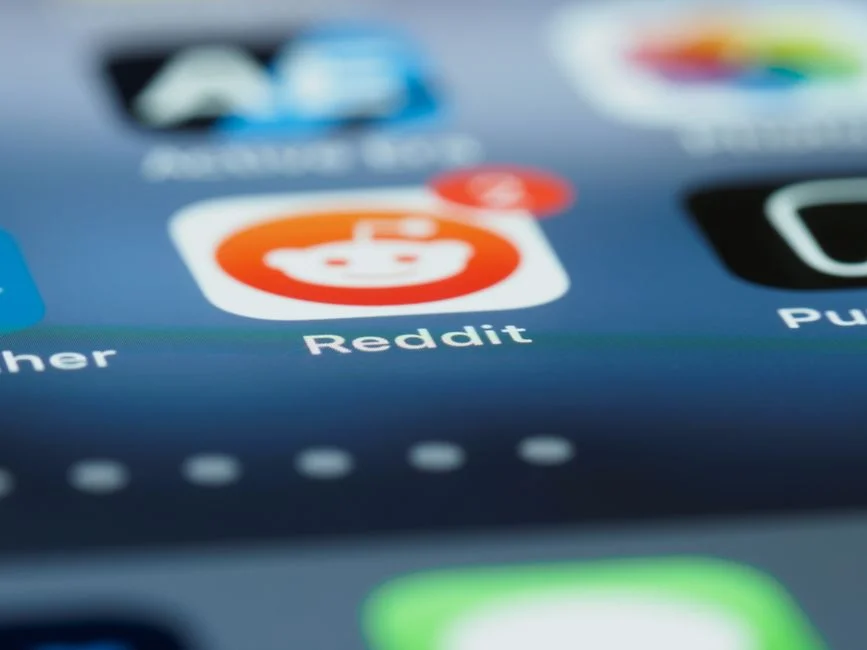

Reddit two-factor authentication (2FA) adds a critical layer of security to user accounts by requiring a second verification method beyond just a password. This mechanism significantly reduces the risk of unauthorized access, even if a user’s password is compromised, by demanding proof of possession of a registered device, typically via a time-based one-time password (TOTP) app or SMS code.
From a security engineering standpoint, 2FA is not merely a feature; it is a fundamental control layer in a robust identity and access management (IAM) strategy. Its implementation directly addresses prevalent attack vectors such as credential stuffing, phishing, and brute-force attacks, which consistently exploit weak or stolen passwords. For a platform like Reddit, with its vast user base and sensitive personal interactions, the integrity of user accounts is paramount, making effective 2FA an indispensable defense.
This analysis will delve into the mechanics, security implications, and best practices surrounding Reddit’s 2FA, examining its role in mitigating common cyber threats and upholding user data integrity. We will consider the architectural choices, potential vulnerabilities, and the broader security posture it contributes to, offering insights relevant to both users and developers.
The Fundamental Role of Two-Factor Authentication in Account Security
Two-Factor Authentication (2FA) serves as a foundational security control, designed to fortify digital identities against a spectrum of cyber threats. At its core, 2FA mandates that a user provide two distinct pieces of evidence, or ‘factors,’ to verify their identity before gaining access to an account. These factors typically fall into three categories: something the user knows (like a password), something the user has (like a smartphone or hardware token), and something the user is (like a fingerprint or facial scan).
The strategic advantage of 2FA lies in its ability to create a significant barrier for attackers. Even if an adversary successfully obtains one factor, such as a user’s password through a data breach or phishing attempt, they are still prevented from accessing the account without the second factor. This drastically reduces the efficacy of common attack vectors like credential stuffing, where stolen username-password pairs are automatically tested across numerous services, and phishing, which aims to trick users into revealing their login credentials.
Reddit, like many other large-scale web applications, primarily implements 2FA using time-based one-time passwords (TOTP) generated by authenticator apps, and in some cases, SMS-based one-time passcodes. TOTP, defined by RFC 6238, relies on a shared secret key and the current time to generate a unique, short-lived code, typically valid for 30 or 60 seconds. This method is generally considered more secure than SMS-based 2FA due to the inherent vulnerabilities associated with cellular networks, such as SIM swap attacks. The ‘something you have’ factor in this context is the physical device (smartphone) on which the authenticator app resides.
For any service handling user-generated content and personal data, the implementation of robust 2FA is not merely a convenience; it is a critical component of a comprehensive security architecture. It aligns directly with the principle of defense-in-depth, layering security controls to ensure that a failure in one mechanism does not lead to a complete system compromise. From a regulatory perspective, strong authentication practices, including 2FA, are increasingly mandated or recommended by data protection frameworks like GDPR and CCPA, underscoring its importance in safeguarding user privacy and preventing data breaches. Organizations that fail to offer or enforce 2FA for sensitive accounts expose themselves and their users to unacceptable levels of risk.
When evaluating 2FA mechanisms, security engineers consider several criteria: usability, resilience against various attack types, and ease of deployment. While SMS 2FA offers broad accessibility, its susceptibility to telecommunications-based attacks makes it a less preferred option for high-security contexts. Authenticator apps, while requiring a slightly higher initial setup effort, provide a more robust defense. Hardware security keys, leveraging standards like FIDO2/WebAuthn, represent the gold standard, offering phishing resistance and strong cryptographic assurances, though their adoption often faces usability hurdles for the general user base. Understanding these trade-offs is crucial for designing and implementing effective authentication strategies on platforms like Reddit.
Reddit’s 2FA Implementation: An Architectural Overview
Reddit’s approach to two-factor authentication primarily leverages the widely adopted Time-based One-Time Password (TOTP) standard, offering users a more secure alternative to password-only access. From an architectural perspective, this involves several key components and processes that work in concert to validate a user’s identity.
When a user enables 2FA on Reddit, the system generates a unique, cryptographically secure secret key. This key is typically presented to the user as a QR code or a base32 string, which they then scan or manually enter into a compatible authenticator application (e.g., Google Authenticator, Authy, Microsoft Authenticator) on their smartphone. This shared secret is stored securely on both Reddit’s servers and the user’s device within the authenticator app. It is paramount that this secret key is never transmitted over insecure channels and is protected with robust encryption at rest on Reddit’s infrastructure.
During a login attempt, after the user provides their username and password, Reddit’s authentication service prompts for the 2FA code. The user opens their authenticator app, which uses the stored secret key and the current time to generate a 6-digit TOTP. This code is then entered into Reddit’s login form. Reddit’s servers, possessing the same shared secret and synchronized time, independently calculate what the valid TOTP should be. If the user-provided code matches the server-calculated code (within a small time window, typically 30 seconds, to account for clock drift), the authentication is successful, and access is granted. This process is illustrated by the following conceptual flow:
sequenceDiagram participant U as User participant B as Browser participant R as Reddit Server participant A as Authenticator App U->>B: Enter Username/Password B->>R: Send Credentials R->>R: Verify Password R->>B: Request 2FA Code (if enabled) B->>U: Display 2FA Prompt U->>A: Open Authenticator App A->>A: Generate TOTP Code (using shared secret + time) A->>U: Display TOTP Code U->>B: Enter TOTP Code B->>R: Send TOTP Code R->>R: Verify TOTP Code (using shared secret + time) alt TOTP Match R->>B: Authentication Success, Issue Session Token B->>U: Grant Access else TOTP Mismatch R->>B: Authentication Failed B->>U: Display Error Message endThe choice of TOTP provides several security advantages. It does not require real-time network communication between the authenticator app and Reddit’s servers during code generation, making it resilient to network outages. Furthermore, the codes are ephemeral, significantly reducing the risk of replay attacks. Reddit also typically provides backup codes during the 2FA setup process. These are single-use codes that allow a user to regain access to their account if they lose their authenticator device. These codes must be stored extremely securely by the user, ideally offline and encrypted, as their compromise would bypass the 2FA protection entirely.
While Reddit’s primary 2FA mechanism relies on TOTP, some platforms historically offered SMS-based 2FA. However, SMS 2FA has known vulnerabilities, including SIM swap attacks and interception of SMS messages. A security engineer would advise against SMS-based 2FA for high-value accounts due to these risks. Reddit’s focus on TOTP reflects a commitment to stronger authentication practices, though continuous vigilance and adaptation to evolving threat landscapes remain critical for any online platform.
Configuring 2FA on Reddit: A Step-by-Step Security Walkthrough
Enabling Two-Factor Authentication on your Reddit account is a critical step in bolstering its security posture. This procedural guide outlines the steps, emphasizing the security implications of each action. The process is designed to be straightforward, yet each stage involves important considerations for maintaining the integrity of your digital identity.
- Access Security Settings: Begin by logging into your Reddit account. Navigate to ‘User Settings,’ typically found by clicking on your avatar in the top right corner. Within the settings menu, locate the ‘Safety & Privacy’ or ‘Account Security’ section. This centralized security hub is where all authentication and account protection mechanisms are managed.
- Initiate 2FA Setup: Within the ‘Safety & Privacy’ section, you will find an option labeled ‘Set up two-factor authentication’ or similar. Clicking this will initiate the process. Reddit will likely prompt you to re-enter your password to confirm your identity before proceeding, a security measure to prevent unauthorized changes if your session is compromised.
- Choose Your Authenticator Method: Reddit primarily recommends using an authenticator app for 2FA, which is the more secure option. If SMS is offered (less common for critical security features due to known vulnerabilities), it should generally be avoided if a TOTP app is an option. Select the authenticator app method to proceed.
- Scan the QR Code or Enter Key: The Reddit interface will display a QR code and a secret key (a long alphanumeric string). Open your chosen authenticator app (e.g., Google Authenticator, Authy, Microsoft Authenticator) on your smartphone. Select the option to ‘Add new account’ or ‘Scan a QR code.’ Use your phone’s camera to scan the QR code presented on Reddit. If scanning is not possible, manually enter the provided secret key into your authenticator app. This action establishes the shared secret between Reddit’s servers and your authenticator app, which is the cryptographic foundation for generating your TOTP codes.
- Verify the Setup with a TOTP Code: After successfully adding the account to your authenticator app, a 6-digit code will appear. Enter this code into the designated field on the Reddit setup page. This verification step confirms that the shared secret was correctly exchanged and that your authenticator app is generating valid codes. If the code is correct, Reddit will confirm that 2FA has been successfully enabled.
- Secure Your Backup Codes: Immediately after enabling 2FA, Reddit will present you with a set of one-time backup codes. These codes are crucial for regaining access to your account if you lose your authenticator device, it’s stolen, or it becomes inaccessible. Each code can be used only once. It is imperative to download these codes and store them in a secure, offline location. Do not store them on your computer where they could be digitally accessed by malware. Printing them out and keeping them in a physical safe, or using an encrypted password manager, are recommended practices. The compromise of these backup codes effectively bypasses your 2FA, making their protection as important as your password.
- Review and Confirm: Once 2FA is active and backup codes are secured, take a moment to review your account’s security settings. Ensure that 2FA is explicitly marked as ‘Enabled.’ Regularly review these settings and consider changing your password periodically, especially if you suspect any unusual activity.
By following these steps, Reddit users significantly elevate their account security, making it substantially harder for unauthorized parties to gain access, even if their primary password is compromised. This proactive measure is a cornerstone of responsible online security hygiene.
Threat Models and Attack Vectors Mitigated by Reddit’s 2FA
Reddit’s implementation of 2FA, particularly using TOTP, is a robust defense against a variety of common and sophisticated cyberattack vectors. A security engineer approaches authentication mechanisms with an understanding of threat models, identifying potential adversaries, their motivations, and the methods they might employ. 2FA directly addresses several critical threat scenarios:
Credential Stuffing Attacks
Threat Model: Adversaries obtain large databases of leaked username and password combinations from breaches of other services. They then ‘stuff’ these credentials into login forms across various platforms, including Reddit, assuming users often reuse passwords. Without 2FA, a successful match grants immediate account access.
Mitigation by 2FA: Even if an attacker successfully finds a matching username and password pair, they will be stopped at the second factor. They lack the physical device or the authenticator app to generate the TOTP code. This renders credential stuffing largely ineffective against 2FA-protected accounts, forcing attackers to abandon the attempt or resort to far more complex and resource-intensive social engineering tactics.
Phishing Attacks
Threat Model: Attackers create deceptive websites or emails that mimic legitimate services (e.g., Reddit login page) to trick users into divulging their credentials. Once the user enters their username and password, the attacker captures them.
Mitigation by 2FA: While 2FA cannot prevent a user from falling for a phishing scam and giving up their password, it significantly limits the damage. If the phishing site only captures the password, the attacker still cannot log in without the second factor. More advanced phishing techniques, known as ‘real-time phishing’ or ‘adversary-in-the-middle’ (AiTM) attacks, attempt to capture both factors simultaneously. However, these attacks are more complex to execute and typically require sophisticated infrastructure, making them less common for mass phishing campaigns. For TOTP, the time-sensitive nature of the code makes it harder for attackers to relay it in real-time before it expires. Hardware security keys (like FIDO2/WebAuthn) offer even stronger phishing resistance as they cryptographically bind the authentication to the legitimate domain.
Brute-Force and Dictionary Attacks
Threat Model: Attackers systematically try many possible passwords against a single account (brute-force) or use lists of common words and phrases (dictionary attacks) to guess a user’s password. While rate limiting and account lockout policies help, a sufficiently determined attacker might still succeed over time.
Mitigation by 2FA: Similar to credential stuffing, 2FA acts as an additional barrier. Even if an attacker were to guess a password, they would still need the second factor. The presence of 2FA significantly increases the computational and logistical burden on an attacker, making these types of attacks impractical for 2FA-enabled accounts.
Session Hijacking (Limited Mitigation)
Threat Model: An attacker gains control of a legitimate user’s active session, often by stealing session cookies. If successful, they can bypass the login process entirely.
Mitigation by 2FA: 2FA primarily protects the *initial login* process. Once a session is established and a session token is issued, 2FA typically isn’t re-verified for every action within that session. However, if Reddit implements session invalidation upon detecting suspicious activity or IP changes, or requires re-authentication for sensitive actions, 2FA indirectly contributes to session security by ensuring that any new session must pass the full 2FA challenge. Furthermore, the overall increased security posture due to 2FA makes it harder for attackers to gain the initial foothold required for session hijacking.
In summary, Reddit’s 2FA implementation is a critical line of defense against most common account compromise scenarios. It significantly raises the bar for attackers, shifting the attack surface away from easily guessable or leaked passwords to the more secure ‘something you have’ factor. This makes account takeover attempts substantially more difficult and less likely to succeed.
Vulnerabilities and Limitations of Reddit’s 2FA Mechanisms
While two-factor authentication significantly enhances account security, it is not an infallible solution. A security engineer understands that every control has its vulnerabilities and limitations, and Reddit’s 2FA mechanisms are no exception. Recognizing these potential weak points is crucial for both users to adopt best practices and for developers to continually improve their security offerings.
Reliance on Time Synchronization (TOTP)
TOTP relies on synchronized clocks between the server and the authenticator app. If either clock is significantly out of sync (typically more than 30-60 seconds), the generated codes will not match, leading to failed authentication. While most modern devices automatically synchronize time, manual clock adjustments or issues with network time protocols (NTP) can cause problems. From a security perspective, an attacker might try to exploit clock drift if they can manipulate the device’s time, though this is a relatively complex and uncommon attack vector against a well-implemented TOTP system.
Authenticator App Compromise
The security of TOTP 2FA is intrinsically linked to the security of the device hosting the authenticator app. If a user’s smartphone is compromised by malware (e.g., spyware, remote access trojans), an attacker could potentially gain access to the authenticator app and generate TOTP codes. This underscores the importance of device security, including keeping the operating system and apps updated, using strong device passcodes, and avoiding suspicious downloads. Furthermore, if the authenticator app does not require a PIN or biometric unlock, anyone with physical access to an unlocked phone could potentially generate codes.
Backup Code Vulnerability
Reddit provides backup codes to recover accounts if the authenticator device is lost or inaccessible. While essential for usability, these codes represent a single point of failure. If an attacker gains access to a user’s backup codes, they can bypass 2FA entirely. This highlights the critical need for users to store these codes securely, ideally offline and encrypted, separate from their primary login credentials. Storing them digitally on an unencrypted drive or in an easily accessible cloud storage defeats their purpose.
Social Engineering and Human Factors
No technical control can fully counteract sophisticated social engineering. Attackers may attempt to trick users into revealing their 2FA codes directly. For example, a phishing attack might present a fake login page that not only captures the password but also immediately prompts for the 2FA code, relaying it to the legitimate site in real-time (an AiTM attack). While more complex, these attacks demonstrate that the ‘human factor’ remains a significant vulnerability. Education and user awareness are critical countermeasures.
SIM Swap Attacks (if SMS 2FA is offered)
Although Reddit primarily uses TOTP, it is important to discuss the vulnerabilities of SMS-based 2FA, which some platforms still offer. A SIM swap attack involves an attacker convincing a mobile carrier to transfer a victim’s phone number to a SIM card controlled by the attacker. Once successful, the attacker receives all SMS messages, including 2FA codes, allowing them to bypass this security layer. This vulnerability is why security experts strongly advocate for authenticator app-based or hardware-key 2FA over SMS for critical accounts.
Lack of Phishing Resistance for TOTP
While TOTP is stronger than SMS 2FA, it is not inherently phishing-resistant in the way hardware security keys (e.g., FIDO2/WebAuthn) are. An advanced phishing site can collect a TOTP code and use it in real-time if the user is tricked into entering it on the malicious site. Hardware keys, by contrast, cryptographically verify the origin of the login request, making it impossible for a phisher to trick the key into authenticating to a fake site.
In conclusion, while Reddit’s 2FA significantly improves security, users must remain vigilant about protecting their authenticator device, securely storing backup codes, and being aware of social engineering tactics. For developers, these limitations highlight areas for continuous improvement, such as offering FIDO2/WebAuthn support and implementing advanced threat detection for account takeovers.
Best Practices for Maximizing 2FA Effectiveness on Reddit
Implementing two-factor authentication on Reddit is a significant step towards account security, but its effectiveness is maximized when paired with diligent user practices. As a security engineer, my guidance always extends beyond mere activation to encompass a holistic approach to digital hygiene. Here are the best practices to ensure your Reddit 2FA provides the strongest possible defense:
Use a Dedicated Authenticator App
Always opt for a dedicated authenticator app (like Authy, Google Authenticator, Microsoft Authenticator, or others) over SMS-based 2FA, if given the choice. Authenticator apps generate time-based one-time passwords (TOTP) locally on your device, making them immune to vulnerabilities like SIM swap attacks that plague SMS 2FA. Ensure your chosen app is reputable and kept up-to-date.
Secure Your Authenticator Device
Your smartphone or tablet, where your authenticator app resides, becomes your ‘second factor.’ Treat it with the same level of security as your most sensitive documents. Enable a strong passcode or biometric authentication (fingerprint, face ID) on the device itself. Ensure your device’s operating system is updated regularly to patch known vulnerabilities, and avoid installing apps from untrusted sources that could compromise your device’s integrity.
Safeguard Your Backup Codes
When you enable 2FA on Reddit, you will receive a set of single-use backup codes. These are your lifeline if you lose your authenticator device or it breaks. It is absolutely critical to store these codes securely and offline. Print them out and store them in a physical safe, a locked drawer, or a safety deposit box. Alternatively, store them in a highly encrypted, offline vault or a reputable password manager that also offers secure note storage. Never store them in plaintext on your computer, in an easily accessible cloud drive, or send them via unencrypted email. Each code can only be used once, so cross them off as you use them.
Beware of Phishing Attempts
While 2FA protects against many forms of credential theft, sophisticated phishing attacks can attempt to trick you into entering your 2FA code on a fake site. Always verify the URL in your browser’s address bar before entering any credentials or 2FA codes. Ensure it is the legitimate reddit.com domain. Reddit will never ask you for your 2FA code via email or unsolicited messages. Be suspicious of any prompts that seem unusual or out of context.
Use a Strong, Unique Password
2FA is a second layer, not a replacement for a strong primary password. Your Reddit password should be long, complex, and unique to Reddit. Avoid reusing passwords across different services. A robust password manager can help you generate and store unique, strong passwords for all your accounts, reducing the risk of credential stuffing attacks.
Regularly Review Account Activity
Even with 2FA enabled, it’s good practice to periodically review your Reddit account activity for any suspicious logins or actions you don’t recognize. Many platforms provide a ‘security log’ or ‘recent activity’ section within settings. If you detect anything unusual, change your password and your 2FA secret immediately, and revoke any active sessions.
Understand the ‘Remember Me’ Functionality
Some platforms offer a ‘remember me’ or ‘trust this device’ option, which bypasses 2FA for a period on that specific device. While convenient, understand that if that device is lost or stolen, an attacker could gain access without needing the second factor again until the session expires. Use this feature judiciously and only on trusted, personal devices.
By adhering to these best practices, Reddit users can significantly harden their accounts against a wide array of cyber threats, transforming 2FA from a mere feature into a formidable security asset.
The Broader Context: 2FA Compliance and Data Protection Standards
From a security engineer’s perspective, the implementation of 2FA on platforms like Reddit extends beyond individual account protection; it is a critical component in meeting broader data protection and compliance obligations. Regulatory frameworks worldwide increasingly emphasize strong authentication as a fundamental requirement for safeguarding personal data and maintaining user trust. While Reddit’s primary business is not directly subject to all industry-specific compliance mandates, its handling of vast amounts of user data places it under the purview of general data protection laws.
GDPR (General Data Protection Regulation)
The GDPR, applicable to any organization processing personal data of EU citizens, mandates appropriate technical and organizational measures to ensure a level of security appropriate to the risk (Article 32). While it doesn’t explicitly name 2FA, strong authentication is a de facto requirement for achieving this. For a platform like Reddit, where users share personal information, browsing habits, and potentially sensitive communications, the risk of unauthorized access is high. Implementing 2FA helps Reddit demonstrate due diligence in protecting this data, reducing the likelihood and impact of data breaches, and thus aiding in GDPR compliance.
CCPA (California Consumer Privacy Act) and CPRA (California Privacy Rights Act)
Similar to GDPR, the CCPA and its successor, CPRA, focus on consumer rights regarding personal information. While not explicitly requiring 2FA, these acts emphasize reasonable security measures to protect personal information. A significant part of this involves preventing unauthorized access. The CPRA specifically grants consumers the right to correct inaccurate personal information and limit the use and disclosure of sensitive personal information. Strong authentication, including 2FA, is essential to ensure that only authorized individuals can exercise these rights or access such data, thereby supporting compliance efforts.
NIST Cybersecurity Framework
The National Institute of Standards and Technology (NIST) Cybersecurity Framework, widely adopted globally, provides guidelines for managing cybersecurity risk. Within the ‘Protect’ function, Identity Management, Authentication, and Access Control (PR.AC) are key categories. NIST Special Publication 800-63B, ‘Digital Identity Guidelines: Authentication and Lifecycle Management,’ specifically recommends multi-factor authentication for higher assurance levels. For Reddit, adopting 2FA aligns with these guidelines, demonstrating a commitment to industry-recognized security best practices and a mature approach to identity management.
OWASP Application Security Verification Standard (ASVS)
The OWASP ASVS is a framework of security requirements for web applications. It includes specific requirements for authentication. For instance, ASVS Level 2 and Level 3, which are suitable for applications handling sensitive data, include requirements for multi-factor authentication. By offering and encouraging 2FA, Reddit can align itself with these rigorous standards, signifying a higher level of application security maturity. This is particularly relevant for ensuring that user accounts, which can be vectors for various attacks, are adequately protected against unauthorized use.
Impact on Data Breach Reporting and Liability
The presence of strong security controls like 2FA can significantly impact the assessment of data breaches. In many jurisdictions, if a data breach occurs, the severity of the breach and the potential liability of the organization can be mitigated if robust security measures were in place to protect the data. An account compromise on Reddit, if 2FA was available but not used, might be viewed differently than if 2FA was enabled and bypassed through a highly sophisticated, unpreventable attack. Offering 2FA demonstrates a proactive stance on security, which can be favorable in regulatory scrutiny.
In essence, Reddit’s provision of 2FA is not just a user-facing feature; it’s an architectural decision that contributes to the platform’s overall compliance posture, reduces legal and reputational risks, and most importantly, provides a fundamental layer of trust and security for its global user base. For any platform operating at scale with user data, robust authentication is a non-negotiable imperative in the modern regulatory landscape.
Developing Secure 2FA Implementations: Lessons for Developers
For developers tasked with implementing or enhancing two-factor authentication in their applications, Reddit’s approach provides valuable lessons in balancing security with usability. From a security engineering perspective, the underlying principles of a robust 2FA system are universal, irrespective of the application’s domain.
Prioritize TOTP Over SMS
Lesson: Always prioritize Time-based One-Time Passwords (TOTP) or hardware security keys (FIDO2/WebAuthn) as the primary 2FA mechanism. SMS-based 2FA, while convenient for some users, is inherently vulnerable to SIM swap attacks, phone number porting, and message interception. If SMS must be offered for accessibility, it should be clearly marked as a less secure option, and users should be strongly encouraged to switch to TOTP or hardware keys.
Implementation Detail: When generating the shared secret for TOTP, use a cryptographically secure random number generator. The secret should be at least 160 bits (20 bytes) for HMAC-SHA1 as per RFC 6238, though longer keys (e.g., 256 bits for HMAC-SHA256) offer enhanced security. Store these secrets securely in your database, encrypted at rest, and never expose them directly after initial setup.
Secure Handling of Backup Codes
Lesson: Backup codes are a necessary evil for account recovery but represent a critical bypass if compromised. Their generation and storage must be handled with extreme care.
Implementation Detail: Generate a sufficient number of unique, random backup codes (e.g., 10-20). Each code should be single-use and immediately invalidated upon use. These codes should be hashed and salted before storage, just like passwords, to prevent an attacker from using a stolen database to bypass 2FA. Present them to the user only once during setup, clearly instructing them on secure, offline storage. Do not allow users to view previously generated codes; offer regeneration if they are lost, which should invalidate all prior codes.
Robust Server-Side Validation
Lesson: All 2FA code validation must occur server-side. Never trust client-side validation.
Implementation Detail: The server must calculate the expected TOTP code using its stored secret and the current time, then compare it to the user-provided code. Implement a tolerance window (e.g., +/- 1 time step) to account for clock drift, but keep it tight to prevent replay attacks. Implement rate limiting on 2FA code submission attempts to prevent brute-force attacks against the 2FA codes themselves. After a few failed attempts, temporarily lock the account or require a longer lockout period.
User Experience and Education
Lesson: Security features are only effective if users adopt and correctly use them. Clear, concise instructions and educational prompts are vital.
Implementation Detail: Provide clear, step-by-step instructions during 2FA setup, including visual aids like QR codes. Explain *why* 2FA is important and *how* to securely store backup codes. Offer guidance within the application on managing 2FA, such as changing devices or regenerating backup codes. Consider integrating analytics to track 2FA adoption rates and identify friction points in the setup process.
Account Recovery Mechanisms
Lesson: Even with 2FA, users will inevitably lose access to their second factor. A secure, yet user-friendly, account recovery process is essential.
Implementation Detail: Beyond backup codes, consider alternative recovery methods, such as email verification to a trusted email address, or a manual review process for high-assurance accounts. These recovery processes must be carefully designed to prevent social engineering and identity impersonation. For instance, requiring multiple pieces of identifying information and potentially a delay period for recovery can deter attackers.
Continuous Monitoring and Auditing
Lesson: Security is an ongoing process. Monitor 2FA events and audit its effectiveness.
Implementation Detail: Log all 2FA enrollment, disablement, and usage events. Monitor for unusual patterns, such as multiple failed 2FA attempts from different IP addresses, which could indicate an attack. Regularly audit your 2FA implementation against standards like OWASP ASVS to ensure ongoing compliance and identify potential weaknesses.
By adhering to these principles, developers can build 2FA systems that are not only effective in mitigating threats but also provide a seamless and secure experience for their users.
Advanced Security Considerations for 2FA Integration
Beyond the fundamental implementation of 2FA, security engineers must consider advanced aspects to ensure the system remains resilient against evolving threats. These considerations move beyond basic setup to encompass the entire lifecycle of authentication and user identity management.
Phishing Resistance: Moving Beyond TOTP
While TOTP is a significant improvement over SMS, it is not entirely phishing-resistant. An attacker using an adversary-in-the-middle (AiTM) proxy can intercept both password and TOTP in real-time. For applications handling extremely sensitive data, or for high-value user accounts, integrating FIDO2/WebAuthn (e.g., using YubiKeys or other hardware security keys) is the gold standard. WebAuthn cryptographically binds the authentication to the origin (the legitimate website’s domain), making it impossible for a phishing site to trick the user’s authenticator into providing credentials for a different domain. Developers should consider offering WebAuthn as an option, even if TOTP remains the default, to provide enhanced security for users who demand it.
Session Management and Re-authentication
2FA primarily secures the *initial* login. However, session management is equally critical. Consider implementing:
- Short-lived Session Tokens: Minimize the window of opportunity for session hijacking by using shorter session expiration times.
- Session Revocation: Provide users with the ability to view and revoke active sessions from their security settings. This is crucial if a device is lost or stolen.
- Re-authentication for Sensitive Actions: For critical actions (e.g., changing email, password, 2FA settings, or making financial transactions), prompt the user for their password and/or 2FA code again. This ‘step-up authentication’ prevents an attacker who has hijacked an active session from making damaging changes without the full credentials.
- IP Address and User Agent Monitoring: Detect unusual changes in IP address or user agent within an active session. Flag these as suspicious and potentially force re-authentication or session termination.
Device Trust and Registration
Some advanced 2FA systems incorporate ‘device trust’ mechanisms. After a successful 2FA login, the system might register the device (e.g., by storing a cryptographic key or unique identifier on it). Subsequent logins from the same device might then require only a single factor (password) or a simpler 2FA challenge, provided the device’s integrity can be verified. While this enhances usability, it must be balanced with security. Strong device attestation and continuous monitoring are essential to prevent compromised devices from being implicitly trusted.
Multi-factor Recovery Flows
Account recovery is often the weakest link in the authentication chain. While backup codes are crucial, platforms should also implement multi-factor recovery flows that do not solely rely on a single email or phone number, which can also be compromised. This might involve:
- Trusted Devices: Allowing recovery from a previously trusted and registered device.
- Identity Verification: For high-value accounts, requiring manual identity verification (e.g., photo ID submission, video call) for recovery.
- Time Delays: Implementing a mandatory waiting period for account recovery requests to allow the legitimate user time to detect and dispute unauthorized attempts.
Security Logging and Alerting
Comprehensive logging of all authentication events, including 2FA attempts (successes and failures), enrollment, and disablement, is non-negotiable. These logs are vital for:
{ "timestamp": "2023-10-27T10:30:00Z", "event_type": "2FA_FAILED", "user_id": "user123", "ip_address": "203.0.113.45", "user_agent": "Mozilla/5.0 ...", "reason": "INVALID_TOTP_CODE", "attempts_in_last_hour": 5}Monitoring these logs for anomalies, such as an unusual number of failed 2FA attempts from a single IP, 2FA disablement requests from new locations, or rapid changes in 2FA settings, should trigger automated alerts to security teams. These alerts enable rapid response to potential account takeover attempts.
API Security for 2FA Endpoints
If 2FA is managed via APIs, these endpoints must be secured with the same rigor as login endpoints. This includes:
- Rate Limiting: Prevent brute-force attacks against 2FA setup or verification endpoints.
- Input Validation: Sanitize all inputs to prevent injection attacks.
- Authorization Checks: Ensure only the legitimate user can modify their own 2FA settings.
- Secure Communication: All 2FA-related API traffic must use HTTPS with strong TLS configurations.
By considering these advanced security aspects, developers can build 2FA systems that provide robust, long-term protection against the dynamic landscape of cyber threats.
The Evolution of Authentication: Beyond Passwords and Basic 2FA
The landscape of digital authentication is constantly evolving, driven by the persistent efforts of attackers and the increasing demand for both security and usability. While two-factor authentication has significantly raised the bar for account security, the industry is moving towards even more robust and user-friendly methods that aim to move beyond the inherent weaknesses of traditional passwords and even basic 2FA implementations.
Passwordless Authentication
The ultimate goal for many security architects is passwordless authentication. This paradigm shift seeks to eliminate passwords entirely, removing the most common attack vector (password theft) from the equation. Passwordless methods typically rely on stronger cryptographic primitives and biometric verification. Examples include:
- Magic Links: Users receive a one-time, time-sensitive link via email or SMS to log in. This still relies on email/SMS security.
- Biometrics with Device Attestation: Using fingerprints, facial recognition, or iris scans, often combined with cryptographic keys stored securely on the device (e.g., using Apple’s Face ID or Touch ID, or Android’s BiometricPrompt API).
- FIDO2/WebAuthn: This is the most promising open standard for passwordless authentication. It uses public-key cryptography and hardware security modules (like YubiKeys or built-in platform authenticators) to authenticate users. It offers strong phishing resistance and is designed for a truly passwordless experience, where the user’s presence and consent (e.g., touching a key, scanning a fingerprint) replace the password.
For a platform like Reddit, a full transition to passwordless would be a massive undertaking, but offering FIDO2/WebAuthn as an *option* for advanced users would significantly enhance security for those who adopt it.
Continuous Authentication
Traditional authentication is a discrete event: you log in, and then you’re trusted until your session expires. Continuous authentication, however, involves ongoing verification of a user’s identity throughout their session. This can involve passively monitoring various signals:
- Behavioral Biometrics: Analyzing typing patterns, mouse movements, scrolling speed, and even gait (if using mobile devices with accelerometers) to ensure the user’s behavior matches their established profile.
- Environmental Factors: Monitoring IP address, geographic location, time of day, and typical device usage patterns.
- Contextual Clues: For example, if a user suddenly attempts to access highly sensitive data or makes a large number of requests from an unusual IP, the system might trigger a step-up authentication challenge (e.g., re-enter 2FA code) or even temporarily lock the account.
Implementing continuous authentication requires sophisticated machine learning models and careful privacy considerations, but it offers a dynamic layer of security that can detect account takeovers in real-time, even after initial login.
Decentralized Identity and Verifiable Credentials
Emerging concepts like decentralized identity (DID) and verifiable credentials (VCs), often leveraging blockchain technology, aim to give users more control over their digital identities. Instead of relying on a central authority (like Reddit) to verify identity, users would hold self-sovereign digital credentials that can be cryptographically proven. While still in early stages of adoption for mass-market applications, these technologies could fundamentally alter how users log into services and prove their identity, shifting the trust model away from centralized providers.
Adaptive Authentication
Adaptive authentication dynamically adjusts the level of authentication required based on the risk associated with a login attempt. Factors considered include:
- User’s Location: Is the login from a known or unusual country/region?
- Device Fingerprint: Is it a new device or one previously used?
- Time of Day: Is it outside the user’s typical login hours?
- Transaction Value: Is the user attempting a high-value action?
Based on these risk signals, the system might require only a password, a TOTP code, or a more stringent challenge like a hardware key, or even deny access entirely. This approach optimizes the balance between security and user convenience.
For platforms like Reddit, embracing these future authentication methods will be crucial for staying ahead of sophisticated attackers and providing a truly secure and seamless user experience in an increasingly complex digital world.
Incident Response and Post-Compromise Procedures with 2FA
Even with robust 2FA in place, no system is entirely impervious to compromise. A critical aspect of a security engineer’s role is to plan for the inevitable: what happens when an account protected by 2FA is compromised? Effective incident response and post-compromise procedures are vital to minimize damage and restore account integrity.
Recognizing a Compromise
The first step is detection. Users might notice:
- Unusual activity on their Reddit account (posts, comments, messages they didn’t make).
- Email notifications about password changes or 2FA disablement requests they didn’t initiate.
- Inability to log in, even with correct credentials and 2FA.
- Notifications from Reddit about suspicious login attempts.
Platforms like Reddit should have robust monitoring and alerting systems to detect anomalous login patterns (e.g., logins from new geographical locations, multiple failed 2FA attempts) and notify users immediately.
Immediate Action for Users
- Attempt Password Reset: If you can still access your associated email, immediately initiate a password reset. Choose a strong, unique password.
- Revoke Sessions: If you can log in, go to your security settings and revoke all active sessions. This logs out any unauthorized users.
- Disable and Re-enable 2FA: If you suspect your 2FA secret or backup codes are compromised, disable 2FA entirely (if possible), then immediately re-enable it to generate a new secret key and new backup codes. Secure the new backup codes rigorously.
- Contact Support: If you cannot access your account at all, immediately contact Reddit Support, providing as much detail as possible. Be prepared to verify your identity through alternative means.
- Check Associated Accounts: If your Reddit account is compromised, assume other accounts using the same password or email are also at risk. Change passwords and review 2FA on those accounts.
Platform-Level Incident Response
From Reddit’s perspective, a reported 2FA-protected account compromise triggers a structured incident response plan:
- Account Lockout/Suspension: Temporarily lock or suspend the account to prevent further unauthorized activity.
- Forensic Analysis: Investigate how the 2FA was bypassed. Was it a SIM swap? A sophisticated AiTM phishing attack? Compromised backup codes? Internal system vulnerability? This analysis is critical for patching weaknesses.
- User Identity Verification: Implement strict identity verification procedures for account recovery, especially if the user claims their 2FA was bypassed. This might involve matching historical account data, IP addresses, or even requiring government ID for high-risk cases.
- Communication: Transparently communicate with the affected user, providing guidance and status updates.
- Remediation: Based on the forensic analysis, implement technical or procedural changes to prevent similar compromises. This could involve enhancing phishing detection, improving backup code management, or tightening session security.
The Role of Backup Codes in Recovery
Backup codes are a double-edged sword. They are essential for legitimate users to regain access but also a target for attackers. During incident response, if backup codes were used for unauthorized access, the system should log which code was used and from what IP address, aiding in forensic analysis. If a user reports compromise and indicates backup codes were stolen, all remaining backup codes for that account should be immediately invalidated.
Ultimately, while 2FA significantly reduces the attack surface, a comprehensive security strategy must include robust incident response plans that account for its potential bypass. This ensures that even in the face of compromise, the platform can effectively mitigate damage and restore user trust.
The Security Audit: Evaluating Reddit’s 2FA Posture
A security audit of Reddit’s 2FA posture, from an external security engineer’s viewpoint, involves assessing its adherence to industry best practices, identifying potential weaknesses, and recommending improvements. This is not about finding specific exploits but evaluating the overall design and implementation against a comprehensive set of security criteria.
Authentication Factor Strength
- TOTP (Time-based One-Time Password): Reddit’s primary reliance on TOTP via authenticator apps is a strong choice. TOTP provides cryptographic strength and is generally resistant to replay attacks due to its time-sensitive nature. The use of standard algorithms (e.g., HMAC-SHA1) ensures broad compatibility and peer review.
- SMS-based 2FA (if offered): If Reddit were to offer SMS-based 2FA, it would immediately be flagged as a weaker option due to its susceptibility to SIM swap attacks and other telecommunications vulnerabilities. The audit would recommend phasing this out or making it clear that it’s a less secure alternative.
- Hardware Security Keys (FIDO2/WebAuthn): The absence of FIDO2/WebAuthn support as a primary or secondary 2FA option would be identified as a significant area for improvement. While TOTP is good, FIDO2 offers superior phishing resistance, which is a growing concern for high-value targets.
Key Management and Storage
- Shared Secret Generation: The audit would verify that the TOTP shared secret is generated using a cryptographically secure random number generator (CSPRNG) and is sufficiently long (e.g., 160+ bits).
- Server-Side Storage: Critical attention would be paid to how Reddit stores these shared secrets on its servers. They must be stored encrypted at rest, isolated from other sensitive data, and access controlled via strict IAM policies. Any evidence of plaintext storage would be a severe vulnerability.
- Backup Code Handling: The generation and storage of backup codes are scrutinized. Are they truly one-time use? Are they hashed and salted before storage? Is the user provided with clear instructions for secure offline storage?
Account Recovery Processes
The account recovery flow is often the weakest link in a 2FA system. An audit would test for:
- Social Engineering Vulnerabilities: How resistant is the recovery process to an attacker impersonating the legitimate user?
- Multi-Factor Recovery: Does the recovery process require multiple pieces of identifying information, or does it rely solely on a single email or phone number?
- Time Delays: Are there sufficient time delays for recovery requests to allow the legitimate user to detect and dispute unauthorized attempts?
- Verification Methods: Are the verification methods used during recovery robust (e.g., trusted devices, manual review for high-risk cases)?
Session Management
Beyond initial authentication, the audit would examine how Reddit manages active user sessions:
- Session Token Security: Are session tokens generated securely, stored in HTTP-only cookies, and protected against XSS/CSRF?
- Session Expiration: Are session durations reasonable, and are users logged out after periods of inactivity?
- Re-authentication for Sensitive Actions: Does Reddit prompt for re-authentication (password or 2FA) for critical actions like changing email, password, or 2FA settings?
- Concurrent Sessions: How does the system handle multiple concurrent sessions from different locations? Can users view and revoke active sessions?
Logging, Monitoring, and Alerting
A mature security program includes robust logging and alerting for authentication events:
- Comprehensive Logging: Are all 2FA-related events (enrollment, disablement, success, failure) logged with sufficient detail (timestamp, user ID, IP address, user agent)?
- Anomaly Detection: Are these logs fed into a SIEM (Security Information and Event Management) system or similar tool for anomaly detection (e.g., multiple failed 2FA attempts, 2FA disablement from new locations)?
- Alerting: Are appropriate alerts configured to notify security teams and users of suspicious activity related to 2FA?
An audit would also include a review of Reddit’s public security documentation regarding 2FA, ensuring it is clear, accurate, and provides actionable advice for users. This comprehensive evaluation ensures that Reddit’s 2FA implementation is not just present, but effective and resilient against a dynamic threat landscape.
User Education and Awareness: The Unsung Hero of 2FA Security
From a security engineer’s perspective, the most technically perfect 2FA implementation can be rendered ineffective if users are not properly educated on its importance, usage, and associated risks. User education and awareness are not merely a ‘nice to have’ but an integral component of a holistic security strategy, functioning as the ‘human firewall’ against social engineering tactics.
Why User Education is Critical for 2FA
The primary reason 2FA fails is often human error or manipulation, not a flaw in the cryptographic protocol itself. Users might:
- Fall for Phishing: Be tricked into entering their 2FA code on a fake website.
- Mismanage Backup Codes: Store backup codes insecurely, making them vulnerable to theft.
- Ignore Security Warnings: Bypass or ignore prompts about suspicious activity.
- Unknowingly Grant Access: Approve legitimate 2FA prompts when they didn’t initiate a login, due to a lack of understanding or vigilance.
Effective education empowers users to identify these threats and react appropriately, transforming them from potential weakest links into active defenders of their accounts.
Key Messages for 2FA User Education
- The ‘Why’: Clearly explain *why* 2FA is essential. Emphasize that passwords alone are no longer sufficient and that 2FA protects against common threats like credential stuffing and phishing. Use relatable analogies if possible.
- The ‘How’: Provide simple, clear, step-by-step instructions for enabling 2FA, choosing an authenticator app, and scanning QR codes. Include screenshots or short video tutorials.
- Backup Code Management: This is paramount. Stress the importance of securely storing backup codes offline and never sharing them. Explain that these codes are a direct bypass to 2FA.
- Phishing Awareness: Educate users on how to identify phishing attempts. Teach them to always check the URL, look for suspicious emails or messages, and understand that legitimate services will not ask for 2FA codes outside of the login flow.
- Device Security: Remind users that their authenticator device is now a critical security component. Advise them to lock their devices with strong passcodes/biometrics, keep software updated, and avoid suspicious apps.
- What to Do in Case of Loss/Compromise: Provide clear instructions on what to do if an authenticator device is lost, stolen, or if they suspect their account is compromised, including how to use backup codes or contact support.
- Understanding Prompts: For services that use push notifications for 2FA, educate users to *always* verify they initiated the login attempt before approving. Approving an unsolicited prompt is a common way for attackers to gain access.
Delivery Channels for Education
User education should be integrated into multiple touchpoints:
- Onboarding/Setup Flow: Clear instructions and warnings during the 2FA setup process itself.
- Help Center/FAQs: Comprehensive, easily searchable articles dedicated to 2FA.
- In-App Notifications: Gentle nudges for users who haven’t enabled 2FA, or alerts about new security features.
- Security Blog Posts: More detailed explanations of threats and best practices.
- Email Campaigns: Targeted emails (used sparingly to avoid alert fatigue) about security updates or tips.
Reddit, with its vast and engaged community, has a unique opportunity to foster a culture of security awareness. By investing in clear, actionable user education, platforms can significantly enhance the overall effectiveness of their 2FA implementations, turning users into the first line of defense rather than the weakest link.
Integrating 2FA with Other Security Controls
For a platform like Reddit, 2FA is a crucial security control, but its true power is realized when it operates in conjunction with other layers of defense. A security engineer understands that no single control is sufficient; rather, a defense-in-depth strategy involves integrating multiple security mechanisms to create a robust and resilient security posture.
Password Policies and Management
2FA works hand-in-hand with strong password policies. Even with 2FA, a weak, reused password makes the first factor vulnerable. Reddit should enforce policies that encourage or require complex, unique passwords, possibly by integrating with a ‘have I been pwned’ type service to check against known compromised passwords. Furthermore, offering and encouraging the use of password managers simplifies the creation and storage of strong, unique passwords for users, reducing the likelihood of the first factor being compromised.
Account Lockout and Rate Limiting
To prevent brute-force attacks against the password or 2FA codes themselves, robust account lockout and rate limiting mechanisms are essential. After a certain number of failed login attempts (e.g., 5-10 attempts within a short timeframe), the account should be temporarily locked out or require a CAPTCHA. Similarly, 2FA code submission endpoints must be rate-limited to prevent an attacker from guessing TOTP codes (though the time-sensitive nature of TOTP already provides significant protection here).
Intrusion Detection and Prevention Systems (IDPS)
IDPS solutions monitor network traffic and system activity for malicious patterns. When integrated with authentication systems, an IDPS can detect suspicious login attempts that might bypass 2FA, such as logins from unusual geographic locations, abnormal access times, or rapid-fire attempts from multiple IPs. These systems can then block malicious traffic or trigger alerts for manual review.
Security Information and Event Management (SIEM)
All authentication-related logs, including 2FA events, should be fed into a centralized SIEM system. This allows security teams to correlate events across different systems, detect sophisticated attack campaigns, and gain a holistic view of the security posture. For example, a SIEM could correlate a failed 2FA attempt with a subsequent password reset request from a different IP, indicating a potential account takeover attempt.
Web Application Firewalls (WAFs)
A WAF sits in front of Reddit’s web servers, filtering and monitoring HTTP traffic. It can protect against common web vulnerabilities (e.g., SQL injection, XSS) that could potentially be used to bypass authentication mechanisms or steal session tokens. A WAF can also help mitigate DDoS attacks that might disrupt authentication services.
Fraud Detection Systems
For platforms with monetary transactions or high-value digital assets, integrating 2FA with fraud detection systems is crucial. These systems use machine learning to analyze user behavior, transaction patterns, and other data points to identify and flag potentially fraudulent activity, even if the login itself was authenticated via 2FA. For Reddit, while direct financial transactions are less common, the value of user accounts (e.g., karma, subreddits, personal data) still warrants robust fraud detection.
Secure Software Development Lifecycle (SSDLC)
The strongest integration of 2FA with other security controls begins at the development stage. Adopting an SSDLC ensures that security considerations, including proper authentication implementation and integration with other controls, are built into the application from the ground up. This includes:
- Threat Modeling: Identifying potential attack vectors against authentication early in the design phase.
- Code Review: Ensuring 2FA code is free from vulnerabilities.
- Security Testing: Conducting penetration testing and vulnerability assessments specifically targeting authentication flows.
By thoughtfully integrating 2FA with these complementary security controls, Reddit can build a multi-layered defense that is significantly more resilient to a wide range of cyber threats, protecting both the platform and its users.
Future-Proofing Reddit’s 2FA Strategy
The cybersecurity landscape is dynamic; what is considered cutting-edge today can become obsolete tomorrow. For a platform as widely used as Reddit, a static 2FA strategy is a vulnerable strategy. Future-proofing Reddit’s 2FA involves continuous adaptation, embracing emerging standards, and proactively addressing new threat vectors. This requires a forward-thinking approach from security engineers and product teams.
Embrace FIDO2/WebAuthn as a Primary Option
The most impactful step Reddit can take to future-proof its 2FA is to fully embrace FIDO2/WebAuthn. This open standard for passwordless authentication offers unparalleled phishing resistance, which is a critical advantage over TOTP. While TOTP is robust, an advanced attacker can still construct a phishing site that proxies the TOTP code in real-time. WebAuthn, by cryptographically binding the authentication to the origin, prevents this entirely.
Offering WebAuthn as a primary 2FA option, perhaps even making it the default for new users or for users with high-value accounts, would significantly elevate Reddit’s security posture. This would require integration with platform authenticators (like Windows Hello, Apple’s Face ID/Touch ID) and external security keys (like YubiKey).
Explore Passwordless Login Options
Beyond FIDO2 for 2FA, Reddit should investigate full passwordless login flows for future implementation. This could include:
- Device-based Biometrics: Leveraging native biometric capabilities of user devices for direct login without a password.
- Magic Links (with strong controls): While having some drawbacks, carefully implemented magic links (e.g., with IP matching, device fingerprinting, and strict expiration) could offer a passwordless alternative for some use cases.
The ultimate goal is to reduce reliance on passwords, which remain the weakest link in many authentication chains.
Implement Adaptive Authentication
Moving from static 2FA to adaptive authentication would allow Reddit to dynamically assess risk during login and session activity. This means:
- Contextual Challenges: Requiring 2FA only when the login context is suspicious (e.g., new device, unusual location, atypical time).
- Step-Up Authentication: Demanding re-authentication or a stronger factor (e.g., hardware key instead of TOTP) for high-risk actions within an active session.
- Risk Scoring: Developing an internal risk scoring engine that analyzes various signals (IP reputation, geographic distance, historical behavior) to determine the appropriate authentication challenge.
This approach enhances both security and user experience by minimizing friction for legitimate, low-risk logins while escalating security for high-risk scenarios.
Continuous Monitoring for New Attack Vectors
The threat landscape is constantly evolving. Reddit’s security team must continuously monitor for new attack vectors targeting 2FA, such as novel social engineering techniques, vulnerabilities in authenticator apps, or new ways to bypass existing controls. This involves:
- Threat Intelligence: Subscribing to and actively consuming cybersecurity threat intelligence feeds.
- Bug Bounty Programs: Running an active bug bounty program to incentivize ethical hackers to find vulnerabilities in 2FA implementations.
- Internal Red Teaming: Periodically conducting internal red team exercises to simulate real-world attacks against Reddit’s authentication systems.
Enhance User Recovery with Multi-Factor Options
Account recovery remains a critical, often vulnerable, component. Future-proofing this involves moving beyond single-factor recovery options. Implementing multi-factor recovery, where users must provide two or more distinct proofs of identity (e.g., trusted email, trusted phone, device attestation, or even a manual review with ID verification for extreme cases), would significantly strengthen this process.
By proactively investing in these areas, Reddit can ensure its 2FA strategy not only meets current security demands but is also resilient and adaptable to the cybersecurity challenges of tomorrow, maintaining user trust and data integrity on a global scale.
Security Culture and User Responsibility
While technical controls like 2FA are essential, the overarching security posture of any platform, including Reddit, is deeply intertwined with its security culture and the collective responsibility of its users. A robust security culture fosters an environment where security is not an afterthought but a shared commitment, and user responsibility transforms individuals from passive recipients of security features into active participants in their own defense.
Cultivating a Security-First Culture within Reddit
For Reddit as an organization, a security-first culture means:
- Leadership Buy-in: Security must be championed from the top, with executive leadership prioritizing security investments and integrating security into business objectives.
- Developer Education: Regular training for developers on secure coding practices, OWASP Top 10 vulnerabilities, and the principles of least privilege and defense-in-depth. This ensures that security is baked into the software development lifecycle from inception.
- Security as a Feature: Treating security features, like 2FA, not just as compliance checkboxes but as value propositions that enhance user trust and platform integrity.
- Transparent Communication: Openly communicating security incidents, vulnerabilities, and best practices to users, fostering trust and enabling informed decision-making.
- Incident Response Readiness: Maintaining a well-drilled incident response team and clear protocols for handling security breaches, including those involving 2FA bypasses.
This internal culture directly impacts the quality and effectiveness of the security features offered to users.
Empowering User Responsibility
Users are the first and often the last line of defense. Empowering them with knowledge and tools is crucial for maximizing 2FA effectiveness. This involves:
- Clear and Consistent Messaging: Providing unambiguous guidance on 2FA setup, backup code storage, and phishing awareness. Repetition and varied communication channels (in-app, email, blog) reinforce these messages.
- Usable Security: Designing security features, including 2FA enrollment and recovery, to be as user-friendly as possible. Complex or frustrating security features often lead to users bypassing them or making insecure choices.
- Contextual Security Advice: Offering security tips or warnings at relevant moments (e.g., a reminder to enable 2FA during account creation, a warning about phishing when a user clicks an external link).
- Feedback Mechanisms: Providing easy ways for users to report suspicious activity or provide feedback on security features, making them feel like active contributors to the platform’s safety.
The Interplay of Technical Controls and Human Factors
Consider the scenario of a sophisticated phishing attack targeting Reddit users. Even if Reddit has robust 2FA (TOTP) in place, a user who hasn’t been educated about phishing might still enter their password and TOTP code on a fake site. Here, the technical control (2FA) is bypassed due to a failure in the human factor (awareness). Conversely, a highly security-aware user might protect their account with 2FA and strong passwords, but if Reddit’s backend has a vulnerability, their vigilance might not be enough.
This highlights the symbiotic relationship: strong technical controls provide the foundation, but an informed and responsible user base acts as the critical layer of human intelligence and vigilance. Reddit, like any major online platform, must continuously invest in both aspects to maintain a truly secure environment.
By fostering a strong security culture internally and actively educating its user base, Reddit can create a resilient ecosystem where both technology and human awareness work in concert to protect user data and maintain the integrity of the platform. This combined approach is the most effective path to long-term security.
Explore our complete Laravel, Basics directory for more guides.
Two-factor authentication on Reddit represents a fundamental security control, significantly fortifying user accounts against prevalent cyber threats. From the perspective of a security engineer, its implementation, primarily leveraging TOTP, is a commendable step towards a more secure digital ecosystem, mitigating risks from credential stuffing, phishing, and brute-force attacks. However, its effectiveness is not absolute; vulnerabilities related to backup codes, social engineering, and the inherent limitations of TOTP require continuous vigilance from both the platform and its users.
Maximizing 2FA’s impact necessitates adherence to best practices, robust integration with other security controls, and a forward-looking strategy that embraces advanced authentication methods like FIDO2/WebAuthn. Ultimately, a strong security culture within Reddit, coupled with empowered and educated users, forms the most resilient defense. By understanding the architectural nuances, potential weaknesses, and the broader compliance landscape, users can better protect their accounts, and developers can continuously refine and future-proof authentication mechanisms against evolving threats. Contact NR Studio to build your next project with a security-first mindset.
NR Studio builds custom web apps, mobile apps, SaaS platforms, and internal tools for growing businesses. If you’re working through a technical decision, feel free to reach out — no commitment required.