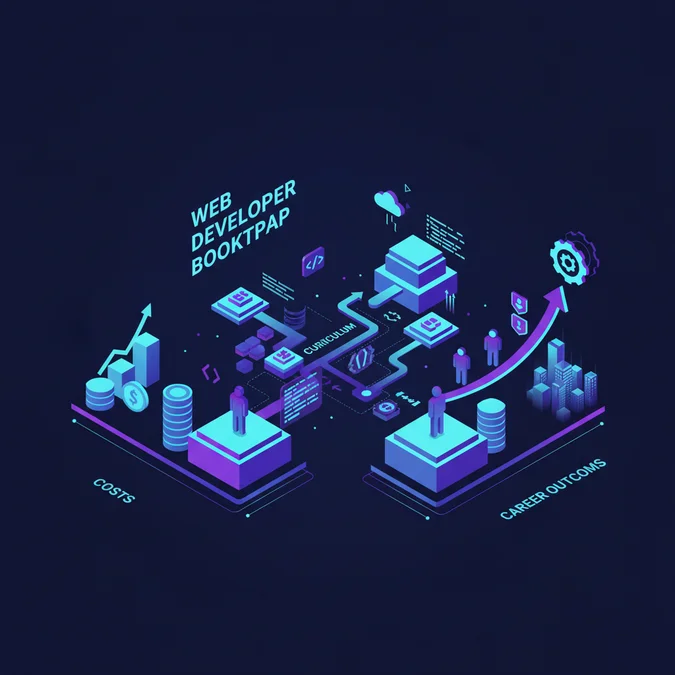

A web developer bootcamp is an intensive, accelerated training program designed to equip individuals with practical, job-ready coding skills in a short timeframe, typically 3-6 months. These programs focus on modern web technologies to facilitate rapid career transitions into the tech industry.
For aspiring developers, navigating the vast landscape of educational options can be challenging. Traditional computer science degrees offer theoretical depth over several years, while self-study demands significant discipline and structure. Web developer bootcamps emerged as a compelling alternative, promising a fast track to employment through immersive, project-based learning. This article provides an unbiased, comprehensive guide to help you understand the various models, curriculum components, and career prospects associated with these programs, empowering you to make an informed decision for your professional future.
What is a Web Developer Bootcamp and Why Choose One?
A web developer bootcamp is an intensive, short-term educational program focused on teaching the practical skills required for a career in web development. Unlike traditional academic paths, these bootcamps prioritize hands-on coding, project-based learning, and direct application of modern technologies. The primary goal is to transition students from novice to job-ready developer in a highly compressed timeframe, typically ranging from 10 to 24 weeks.
The appeal of a web dev bootcamp lies in its efficiency and career-centric approach. Many programs boast high job placement rates, often emphasizing connections with hiring partners and comprehensive career services. This model contrasts sharply with traditional four-year degrees, which offer broader theoretical knowledge but may not always align with the immediate demands of the tech job market. For individuals seeking a rapid career change or a focused skill upgrade, a web developer bootcamp provides a structured, supportive environment for intensive learning.
Choosing a web coding bootcamp often comes down to several key benefits:
- Accelerated Learning: Acquire job-ready skills in months, not years.
- Practical Focus: Emphasis on real-world projects and industry-standard tools.
- Career Transition: Designed for individuals from diverse backgrounds, often without prior coding experience.
- Industry Relevance: Curricula are frequently updated to reflect current technologies and employer demands.
- Community and Networking: Build connections with instructors, peers, and alumni, which can be invaluable for job searching and ongoing professional development.
Key Takeaway: A web developer bootcamp offers an accelerated, practical pathway into the tech industry, emphasizing job-ready skills and career support for rapid professional transitions.
Comparing Web Developer Bootcamps: Full-Time, Part-Time, and Online Models
The web developer bootcamp landscape offers diverse formats to accommodate various learning styles, schedules, and financial considerations. Understanding the distinctions between full-time, part-time, and online models is crucial for selecting the program that best fits your individual circumstances. Each model presents unique advantages and trade-offs.
A full time web developer bootcamp typically involves 40+ hours per week of instruction, coding, and project work, often resembling a demanding full-time job. These immersive programs are usually conducted in-person or as live online cohorts, fostering a strong sense of community and providing immediate access to instructors and peers. While highly effective for rapid skill acquisition, they demand a significant time commitment, often requiring participants to pause other work or personal obligations.
Conversely, a part time web developer bootcamp is designed for individuals who need to balance their studies with existing work or family commitments. These programs often span 20-24+ weeks, with classes held in the evenings and on weekends. The extended duration allows for a less intense daily schedule, but requires sustained motivation over a longer period. While the pace is slower, the curriculum often covers the same material as full-time programs, just spread out.
Online bootcamps, both full-time and part-time, offer geographical flexibility. They can be synchronous (live online classes with a fixed schedule) or asynchronous (self-paced learning with on-demand content). While asynchronous models provide maximum flexibility, they require strong self-discipline and may offer less direct interaction than live cohorts. The choice of web developer bootcamp model significantly impacts the learning experience and overall outcome.
| Feature | Full-Time (In-Person/Live Online) | Part-Time (In-Person/Live Online) | Self-Paced Online |
|---|---|---|---|
| Duration | 10-16 weeks | 20-40 weeks | Variable, 3-12 months typically |
| Intensity | High, 40+ hours/week | Moderate, 15-25 hours/week | Variable, self-determined |
| Flexibility | Low, fixed schedule | Moderate, evening/weekend classes | High, learn anytime, anywhere |
| Target Audience | Career changers, dedicated learners | Working professionals, students | Highly self-motivated individuals |
| Interaction | High, direct instructor/peer access | Moderate, scheduled sessions | Low to moderate, forums, limited live support |
| Cost | Typically highest upfront | Moderate | Often lowest upfront |
| Accountability | High, structured environment | Moderate, structured milestones | High self-accountability required |
Web Developer Bootcamp Curriculum: Core Skills, Tech Stacks, and Specializations
The curriculum of a modern web developer bootcamp is meticulously designed to cover the most in-demand technologies and practices in the industry. While specific offerings vary between programs, a common structure emerges, focusing on foundational concepts before diving into specialized stacks. This ensures graduates possess a robust understanding of both front-end and back-end development.
Most bootcamps begin with core web technologies:
- HTML5: The standard markup language for creating web pages.
- CSS3: Used for styling web pages, including responsive design principles.
- JavaScript (ES6+): The ubiquitous programming language for interactive web content.
- Git & GitHub: Version control system essential for collaborative development.
From these foundations, programs typically diverge into front-end, back-end, or full stack development bootcamp tracks. A full stack curriculum aims to equip students to build complete web applications from the user interface to the database.
Full Stack Development Core Curriculum:
- Front-End Development:
- Modern JavaScript Frameworks: React, Vue.js, or Angular for building dynamic single-page applications.
- State Management: Redux, Vuex, or React Context API.
- API Consumption: Fetching and displaying data from RESTful APIs.
- Build Tools: Webpack, Babel.
- Back-End Development:
- Server-Side Languages: Node.js (with Express.js), Python (with Django or Flask), or Ruby (with Ruby on Rails).
- Database Management: SQL (PostgreSQL, MySQL) and NoSQL (MongoDB).
- Authentication & Authorization: Implementing secure user access.
- API Design: Building RESTful or GraphQL APIs.
- Deployment & DevOps Basics:
- Cloud platforms like AWS, Heroku, Netlify, Vercel.
- CI/CD concepts.
- Project-Based Learning:
- Students build multiple portfolio-ready projects, often culminating in a capstone project that integrates all learned skills.
For those interested in building visually appealing and user-friendly interfaces, a web design bootcamp will heavily emphasize UI/UX principles, graphic design tools, and front-end technologies. This specialization focuses on the aesthetic and interactive elements users directly engage with. Similarly, a website development bootcamp might focus broadly on the entire process of creating websites, including content management systems (CMS) like WordPress, in addition to custom coding.
An example of a typical full stack project might involve creating a task management application:
// Frontend (React component example)const TaskList = ({ tasks }) => { return ( <ul> {tasks.map(task => ( <li key={task.id}>{task.title}</li> ))} </ul> );};// Backend (Node.js/Express example)app.get('/api/tasks', (req, res) => { // Fetch tasks from database const tasks = [{ id: 1, title: 'Learn React' }, { id: 2, title: 'Build API' }]; res.json(tasks);});This project-centric approach ensures graduates have tangible artifacts to showcase their skills, critical for job interviews.
How to Choose the Best Web Developer Bootcamp for Your Goals
Selecting the right web developer bootcamp is a critical decision that can significantly impact your career trajectory. With numerous options available, a systematic evaluation process is essential to ensure the program aligns with your learning style, career aspirations, and financial constraints. Avoid programs that make unrealistic promises; focus on transparency and verifiable outcomes.
Web Developer Bootcamp Selection Checklist:
- Curriculum Relevance:
- Does the curriculum cover technologies currently in high demand (e.g., React, Node.js, Python, cloud services)?
- Is it updated regularly to reflect industry changes?
- Does it offer specialization options if you have a specific interest (e.g., front-end, back-end, full stack, web design)?
- Instructor Quality & Support:
- What are the instructors’ industry backgrounds and teaching experience?
- What is the student-to-instructor ratio?
- What kind of support system is in place (mentorship, TAs, office hours)?
- Career Services & Job Placement:
- What specific career services are offered (resume building, interview prep, networking events)?
- What are the actual job placement rates, and how are they verified (Council on Integrity in Results Reporting, CIRR)?
- What types of companies hire their graduates, and what are typical starting roles and salaries? Request detailed alumni outcomes.
- Program Structure & Schedule:
- Does the full-time, part-time, or online model fit your lifestyle and learning preferences?
- What is the daily or weekly time commitment?
- Are there any prerequisites or pre-work required?
- Cost & Financing Options:
- What is the total tuition cost, and what is included (materials, software licenses)?
- Are there scholarships, loans, or income share agreements (ISAs) available? Understand the repayment terms thoroughly.
- Compare the return on investment (ROI) based on projected salary and program cost.
- Alumni Network & Community:
- How active and supportive is the alumni network?
- Are there opportunities to connect with current students and graduates?
- Read reviews and testimonials on independent platforms (e.g., Course Report, SwitchUp).
- Accreditation & Reputation:
- While not traditionally accredited like universities, look for programs with strong industry recognition and a track record of success.
- Investigate any partnerships with technology companies or educational bodies.
Actionable Advice: Before committing, attend info sessions, speak with admissions, and crucially, connect with several alumni independently to get an unfiltered perspective on their experience and post-bootcamp success. This due diligence is paramount.
Career Outcomes: Job Placement, Earning Potential, and Portfolio Building Strategies
Completing a web developer bootcamp is a significant step towards a new career, but success hinges on effective job search strategies and a strong understanding of industry expectations. While bootcamps provide foundational skills, graduates must actively engage in portfolio building, networking, and interview preparation to maximize their career outcomes.
Typical Job Roles for Bootcamp Graduates:
Graduates are typically prepared for entry-level roles, though specific titles can vary:
- Junior Front-End Developer: Focuses on user interface and experience, working with HTML, CSS, JavaScript, and frameworks like React or Vue.js.
- Junior Back-End Developer: Specializes in server-side logic, databases, and APIs using languages like Node.js, Python, or Ruby.
- Junior Full Stack Developer: Possesses skills in both front-end and back-end, capable of working across the entire web application stack.
- Web Designer (for web design bootcamp graduates): Concentrates on visual design, UI/UX, and front-end implementation.
- Associate Software Engineer: A broader title often used for entry-level developers across various domains.
Earning potential for bootcamp graduates varies widely based on location, specific skills, company size, and individual negotiation. While bootcamps often report impressive average starting salaries, these figures should be evaluated critically and contextualized with regional market data. Graduates typically see a significant increase in earning potential compared to their pre-bootcamp careers, with salaries often ranging from $50,000 to $80,000+ for entry-level positions in major tech hubs.
Portfolio Building Strategies:
A strong portfolio is the single most important asset for a bootcamp graduate. It demonstrates practical skills and problem-solving abilities more effectively than a resume alone.
| Strategy | Description | Impact on Hiring |
|---|---|---|
| Showcase Diverse Projects | Include 3-5 high-quality projects covering different tech stacks and complexities. Ensure they are deployed and accessible online. | Demonstrates versatility and ability to work with various tools. |
| Clean, Documented Code | Each project should have a well-organized GitHub repository with clear README files, installation instructions, and explanations of design choices. | Shows attention to detail, collaboration readiness, and understanding of best practices. |
| Problem-Solving Narratives | For each project, explain the problem it solves, the technical challenges faced, and how they were overcome. | Highlights critical thinking and debugging skills, crucial for real-world development. |
| Personal Branding Website | Create a professional website to host your portfolio, resume, and a brief ‘about me’ section. This showcases your front-end skills. | Establishes a professional online presence and demonstrates direct application of learned skills. |
Networking is equally vital. Attend local tech meetups, industry conferences, and connect with alumni and professionals on platforms like LinkedIn. Informational interviews can provide insights into company culture and potential openings. During technical interviews, be prepared to articulate your thought process, debug code, and discuss your projects in detail. The immersive nature of a web developer bootcamp prepares you for the technical challenges, but soft skills and strategic job searching are equally important for securing your first role.
Career Tip: Focus on building projects that genuinely interest you, as passion shines through. Contribute to open-source projects or build solutions for non-profits to gain diverse experience and demonstrate initiative.
Factors That Affect Development Cost
- Program duration and intensity (full-time vs. part-time)
- In-person vs. online format
- Curriculum specialization (e.g., full stack vs. front-end only)
- Included services (career support, mentorship, materials)
- Geographical location (for in-person programs)
- Financing options (ISAs, loans, scholarships)
The cost of a web developer bootcamp can vary significantly based on these factors, making it essential to compare programs thoroughly.
Frequently Asked Questions
What is the typical cost range for a web developer bootcamp?
Web developer bootcamps typically range from $10,000 to $20,000 for full-time programs, though part-time or online options can be less. Some offer income share agreements (ISAs) or financing, making upfront costs variable. Research specific program fees and what’s included.
What skills are taught in a full stack development bootcamp?
A full stack development bootcamp covers both front-end (HTML, CSS, JavaScript, React/Vue) and back-end (Node.js, Python/Django, Ruby on Rails, databases like SQL/MongoDB) technologies. Students learn to build complete web applications from user interface to server logic and database management.
Is a web coding bootcamp suitable for beginners with no prior experience?
Many web coding bootcamps are specifically designed for beginners, often requiring no prior programming experience. They provide intensive, structured learning to build foundational skills rapidly. Some may have pre-work or basic aptitude tests, but a strong desire to learn is usually the main prerequisite.
What are the career prospects after completing a web design bootcamp?
Graduates of a web design bootcamp can pursue roles like UI/UX designer, front-end developer, web designer, or digital product designer. They typically work on user interfaces, visual aesthetics, and user experience, often collaborating closely with developers to bring designs to life.
How do full-time and part-time web developer bootcamps compare for busy professionals?
Full-time web developer bootcamps are intensive, 10-16 week programs ideal for those who can dedicate 40+ hours weekly. Part-time options, spanning 20-24+ weeks with evening/weekend classes, suit busy professionals needing flexibility to balance work or other commitments while learning.
Web developer bootcamps offer a rigorous, accelerated pathway into the dynamic field of technology, enabling individuals to acquire in-demand skills and transition into rewarding careers. By providing intensive, project-based learning and robust career support, these programs bridge the gap between aspiring developers and industry needs. Choosing the right bootcamp involves careful consideration of program structure, curriculum, instructor quality, and career services, tailored to your personal goals and learning style.
Ultimately, a web developer bootcamp is an investment in your future. While the commitment is substantial, the potential for rapid career growth, higher earning potential, and entry into an innovative industry makes it a compelling option. Armed with a strong portfolio, effective networking, and a deep understanding of modern web technologies, graduates are well-positioned to thrive in the competitive but opportunity-rich world of web development.
NR Studio builds custom web apps, mobile apps, SaaS platforms, and internal tools for growing businesses. If you’re working through a technical decision, feel free to reach out — no commitment required.