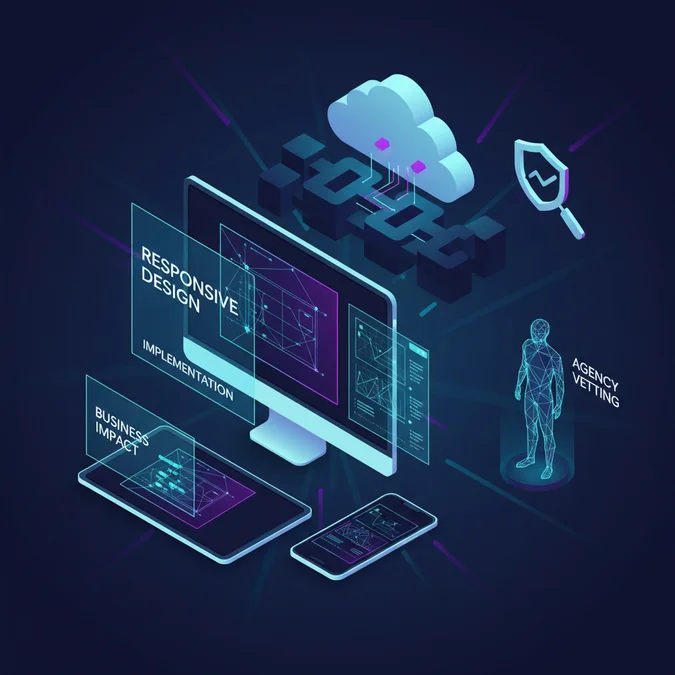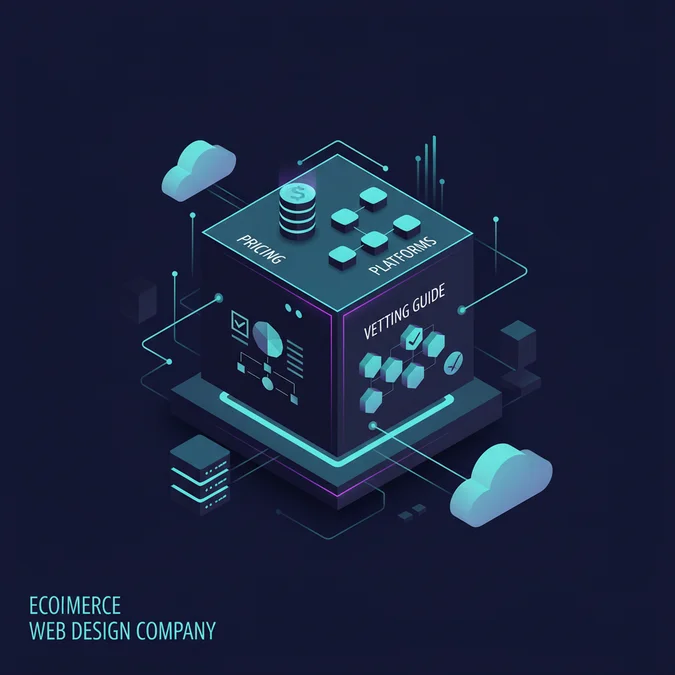

An ecommerce web design company provides end-to-end solutions for building and optimizing online stores, encompassing strategic planning, UX/UI design, platform development, payment integration, and ongoing support to maximize sales and customer engagement for businesses of all sizes. Selecting the right partner is critical for establishing a robust online presence that drives conversions and fosters sustained growth. This guide details key considerations, from platform selection and design methodologies to transparent pricing and effective agency vetting.
This article serves as an authoritative resource for businesses aiming to navigate the complexities of ecommerce development. We will explore the diverse services offered by specialized agencies, compare leading technology platforms, outline a meticulous development process, and provide actionable advice on how to evaluate potential partners to ensure your investment yields significant returns.
Understanding the Role of an Ecommerce Web Design Company
An ecommerce website design company specializes in crafting digital storefronts that are not only visually appealing but also highly functional, secure, and optimized for sales. Their core mission is to translate business objectives into a compelling online shopping experience, ensuring seamless customer journeys from product discovery to checkout. This involves a multifaceted approach that extends far beyond mere aesthetics.
The scope of services offered by a leading ecommerce website design company typically includes:
- Strategic Consulting: Defining project goals, target audience analysis, competitive benchmarking, and developing a clear roadmap.
- UX/UI Design: Creating intuitive user interfaces and engaging user experiences that prioritize conversion rates and customer satisfaction. This is where specialized ecommerce design services truly shine, focusing on product presentation, navigation, and mobile responsiveness.
- Platform Development: Building the actual online store using appropriate technologies, integrating essential features like product catalogs, shopping carts, and customer accounts.
- Payment Gateway Integration: Securely linking with various payment processors to offer diverse transaction options.
- Third-Party Integrations: Connecting with ERP, CRM, inventory management, shipping, and marketing automation systems to streamline operations.
- Performance Optimization: Ensuring fast loading times, responsive design for all devices, and robust backend infrastructure.
- Security Implementation: Protecting sensitive customer data and transactions through SSL certificates, PCI DSS compliance, and robust security protocols.
- SEO & Digital Marketing: Implementing strategies to improve search engine visibility and drive targeted traffic to the store.
- Maintenance & Support: Providing ongoing updates, bug fixes, and technical assistance to ensure continuous operation and scalability.
Ultimately, a comprehensive ecommerce web design solutions provider aims to deliver a fully operational, high-performing online store that serves as a powerful revenue-generating asset for your business. Their expertise transforms complex technical requirements into user-friendly and commercially viable digital platforms.
An effective ecommerce website design company acts as a strategic partner, delivering not just a website, but a complete digital commerce ecosystem designed for performance and growth, incorporating specialized ecommerce design services tailored to your brand’s unique needs.
Choosing Your Platform: Shopify, Magento, Headless, & Beyond
Selecting the right ecommerce platform is a foundational decision that impacts scalability, flexibility, and operational costs. The choice often depends on your business size, budget, technical requirements, and long-term growth strategy. Experienced ecommerce website developers understand the nuances of each platform and can guide you toward the optimal solution.
Here’s a comparison of prominent ecommerce platforms:
| Platform | Type | Key Features | Ideal Use Case | Pros | Cons |
|---|---|---|---|---|---|
| Shopify | SaaS (Hosted) | User-friendly admin, app store, integrated payments, themes. | Small to medium businesses, startups, quick launch. | Ease of use, rapid deployment, extensive app ecosystem, strong support. | Less customization control, transaction fees (if not Shopify Payments), vendor lock-in. |
| Shopify Plus | SaaS (Hosted, Enterprise) | Advanced APIs, customizable checkout, dedicated support, wholesale channels. | High-growth, large enterprises, complex B2B/B2C. | Enterprise features, scalability, reliability, reduced transaction fees. | Higher cost, still within a proprietary ecosystem. |
| Magento Open Source | Open Source (Self-Hosted) | Highly flexible, extensive features, large community, multi-store. | Medium to large businesses with strong technical resources. | Unparalleled flexibility, no licensing fees, robust feature set. | Complex to set up/maintain, high development costs, requires skilled developers. |
| Magento Commerce (Adobe Commerce) | Enterprise (Self-Hosted/Cloud) | All Magento Open Source features plus B2B tools, AI/ML, cloud hosting. | Large enterprises, complex B2B, omnichannel strategies. | Enterprise-grade features, scalability, advanced analytics, Adobe ecosystem integration. | Very high licensing and development costs, steep learning curve. |
| BigCommerce | SaaS (Hosted) | Robust built-in features, native multi-currency, flexible APIs. | Growing businesses, B2B, international sales. | Strong SEO, no transaction fees, extensive built-in features, good for scaling. | Pricing tiers based on sales volume, less app variety than Shopify. |
| Headless Commerce | Decoupled (API-First) | Frontend and backend separated, API-driven content delivery. | Enterprise, custom UX needs, multiple touchpoints (IoT, PWA). | Ultimate flexibility, future-proof, faster frontend development, omnichannel. | Higher initial complexity, requires multiple specialized teams, increased maintenance. |
| Custom Build | Proprietary | Tailored to exact specifications, unique business logic. | Niche markets, highly specific functionalities, competitive advantage. | Complete control, perfect fit for unique requirements, no vendor lock-in. | High development cost and time, ongoing maintenance burden, sole responsibility for security. |
Headless Commerce and Progressive Web Apps (PWAs): These represent the forefront of modern ecommerce architecture. Headless commerce separates the frontend (user interface) from the backend (ecommerce logic), communicating via APIs. This allows for unparalleled flexibility in designing unique user experiences across various touchpoints, including mobile apps, IoT devices, and voice assistants. A PWA leverages web technologies to deliver an app-like experience in a browser, offering offline capabilities, push notifications, and fast loading times, significantly enhancing mobile conversion rates. Adopting a headless or PWA approach typically requires highly skilled ecommerce website developers due to its architectural complexity, but it provides superior performance, scalability, and a future-proof foundation for businesses with sophisticated digital strategies.
The decision between a monolithic SaaS platform and a decoupled headless architecture hinges on your business’s need for control, customization, and omnichannel reach. Consult with experienced ecommerce website developers to align platform choice with your strategic goals.
Crafting Success: Our Approach to Ecommerce Web Design & Development
At NR Studio, our approach to ecommerce web design and development is structured to deliver measurable results, focusing on a blend of aesthetic appeal, technical robustness, and strategic business objectives. We believe that a successful online store is the product of meticulous planning, innovative design, and expert execution, guided by our dedicated ecommerce website designers and web designers for ecommerce.
Our comprehensive project lifecycle follows these key stages:
- Discovery & Strategy: We begin by thoroughly understanding your business model, target audience, competitive landscape, and specific goals. This involves workshops, stakeholder interviews, and market research to define the project scope, technical requirements, and strategic roadmap. We establish key performance indicators (KPIs) and conversion targets.
- UX/UI Design & Prototyping: Our ecommerce website designers craft intuitive user flows, wireframes, and high-fidelity prototypes. We prioritize conversion-centric design, ensuring ease of navigation, compelling product presentation, and a seamless checkout process. User testing and feedback cycles are integral to refining the user experience.
- Frontend Development: Our web designers for ecommerce translate approved designs into responsive, fast-loading, and visually stunning interfaces. We focus on modern web standards, accessibility, and cross-browser compatibility to ensure an optimal experience across all devices.
- Backend Development & Integrations: Our developers build the robust foundation of your ecommerce platform, integrating essential functionalities such as product management, order processing, customer accounts, and secure payment gateways. We also handle complex integrations with ERP, CRM, inventory, and marketing automation systems.
- Quality Assurance & Testing: Rigorous testing is conducted across all aspects of the platform, including functional testing, performance testing, security audits, and user acceptance testing (UAT). We ensure bug-free operation, optimal speed, and adherence to security best practices (e.g., PCI DSS compliance).
- Launch & Deployment: A meticulously planned launch strategy ensures a smooth transition to the live environment. This includes final configuration, data migration, and comprehensive pre-launch checks to minimize downtime and ensure immediate operational readiness.
- Post-Launch Support & Optimization: Our commitment extends beyond launch. We provide ongoing maintenance, performance monitoring, security updates, and continuous optimization based on analytics data. This iterative approach ensures your ecommerce platform evolves with market demands and business growth.
Throughout this process, we integrate advanced analytics and reporting dashboards, providing real-time insights into user behavior, sales performance, and marketing effectiveness. This data-driven approach empowers informed decision-making and continuous improvement. Our expertise as an ecommerce web development agency ensures that every solution we deliver is secure, scalable, and designed for long-term success.
Our structured development process, led by expert ecommerce website designers and web designers for ecommerce, ensures a high-performing, secure, and scalable online store that aligns perfectly with your business objectives, positioning us as a leading ecommerce web development agency.
Hiring the Right Partner: Pricing, Deliverables, and Vetting Your Agency
Selecting the ideal e commerce web design company is a critical decision that impacts your project’s success, budget, and long-term viability. Transparency in pricing, clear deliverables, and a thorough vetting process are paramount to finding a partner that aligns with your vision and technical requirements.
Understanding Pricing Models:
| Pricing Model | Description | Pros | Cons |
|---|---|---|---|
| Fixed-Price | A single, agreed-upon cost for a defined scope of work. | Predictable budget, clear scope. | Less flexibility for changes, requires detailed upfront planning. |
| Time & Materials (T&M) | Hourly or daily rates for actual time spent and resources used. | High flexibility for evolving requirements, ideal for complex projects. | Budget can fluctuate, requires close monitoring. |
| Retainer | Regular, recurring payment for ongoing services (maintenance, support, new features). | Guaranteed support, predictable ongoing costs, long-term partnership. | Less suitable for one-off projects, requires clear service level agreements (SLAs). |
| Value-Based | Pricing tied to the business value or ROI delivered (e.g., percentage of revenue increase). | Direct alignment of agency and client goals, potentially higher ROI. | Difficult to quantify upfront, requires high trust and clear metrics. |
Typical deliverables from an e commerce web design company might include comprehensive project documentation, wireframes, high-fidelity mockups, a fully functional and tested ecommerce platform, integrations with third-party systems, SEO optimization, performance reports, and ongoing support agreements.
Vetting Checklist for Your Ecommerce Partner:
- Portfolio & Case Studies: Review relevant past projects, focusing on businesses similar in size or industry to yours. Look for measurable results.
- Technical Expertise: Ensure they have proven experience with your chosen platform (Shopify, Magento, Headless) and relevant technologies. Inquire about their team’s certifications and ongoing training.
- Communication & Project Management: Assess their communication style, reporting frequency, and project management methodologies (e.g., Agile, Scrum).
- UX/UI Focus: Do they prioritize user experience and conversion optimization? Ask for examples of their UX research and design process.
- Scalability & Future-Proofing: Discuss how they approach building scalable solutions and adapting to future technological advancements.
- Security & Compliance: Verify their understanding and implementation of security best practices (PCI DSS, GDPR) and data protection.
- Support & Maintenance: Understand their post-launch support plans, SLAs, and options for ongoing maintenance and feature development.
- References: Request client references and follow up with them to gather candid feedback on their experience.
- Contract & Legal: Review the contract thoroughly, ensuring clear scope, deliverables, payment terms, intellectual property rights, and termination clauses.
- Cultural Fit: Evaluate if their team’s values and working style align with your company’s culture for a smoother collaboration.
By diligently applying this vetting process, you can significantly mitigate risks and select an e commerce web design company that will be a true asset to your business’s digital transformation.
Maximizing ROI: Integrating SEO, AI, and Emerging Technologies
Beyond the foundational build, the long-term success of an ecommerce platform hinges on continuous optimization and strategic integration of advanced technologies. Maximizing return on investment (ROI) requires a proactive approach to search engine optimization (SEO), intelligent automation, and embracing emerging trends.
- Ecommerce SEO Strategy: A robust SEO strategy is fundamental for organic visibility. This includes technical SEO (site speed, mobile-friendliness, structured data), on-page SEO (keyword optimization, compelling product descriptions, meta tags), and off-page SEO (link building, content marketing). Continuous monitoring of search rankings, traffic, and conversion metrics is crucial.
- AI for Personalization & Efficiency: Artificial intelligence is transforming ecommerce by enabling hyper-personalization. AI-powered recommendation engines suggest relevant products based on browsing history and purchase patterns, significantly boosting average order value (AOV). AI also enhances customer service through chatbots, streamlines inventory management with predictive analytics, and improves fraud detection. Implementing AI requires careful data integration and algorithm tuning to yield optimal results.
- Emerging Technologies:
- Augmented Reality (AR): AR allows customers to visualize products in their own environment (e.g., trying on clothes, placing furniture in a room) before purchase, reducing returns and enhancing engagement.
- Voice Commerce: With the rise of smart speakers and voice assistants, optimizing your store for voice search and enabling voice-activated purchasing offers a new avenue for sales and convenience.
- Virtual Reality (VR): While still nascent, VR offers immersive shopping experiences, particularly for high-value or complex products, creating virtual showrooms.
- Blockchain for Supply Chain & Trust: Blockchain can enhance transparency in supply chains, verify product authenticity, and build customer trust, especially for ethically sourced or luxury goods.
- Advanced Analytics & Reporting: Implementing sophisticated analytics platforms, such as Google Analytics 4 (GA4) or custom BI dashboards, provides deep insights into customer behavior, sales funnels, marketing campaign performance, and product profitability. This data-driven feedback loop is essential for identifying areas for improvement and making informed business decisions.
Integrating these technologies requires a forward-thinking partner who understands not just the implementation, but also the strategic implications for your business. The goal is to create a dynamic, intelligent, and future-proof ecommerce ecosystem that consistently drives growth and competitive advantage.
Strategic integration of SEO, AI for personalization, and emerging technologies like AR and voice commerce is crucial for maximizing ecommerce ROI, fostering customer loyalty, and ensuring your online store remains competitive and future-ready.
Factors That Affect Development Cost
- Project complexity and features
- Chosen ecommerce platform (SaaS vs. Open Source vs. Headless)
- Number of integrations with third-party systems
- Custom design requirements and UX/UI complexity
- Volume of products and data migration needs
- Ongoing maintenance, support, and marketing services
- Geographic location and experience level of the agency
The cost for an ecommerce web design project varies significantly based on the scope, chosen technology, and specific requirements of each business.
Frequently Asked Questions
What exactly does an ecommerce web design company do?
An ecommerce web design company specializes in creating and optimizing online stores. This includes designing user interfaces, developing backend functionalities, integrating payment gateways, ensuring mobile responsiveness, and implementing SEO strategies to drive sales and enhance the customer experience.
What are the benefits of hiring professional e commerce web designers?
Hiring professional e commerce web designers ensures a visually appealing, highly functional, and secure online store. They bring expertise in UX/UI, conversion optimization, platform selection, and scalability, leading to a better customer experience, increased sales, and a stronger brand presence compared to DIY solutions.
Building a successful ecommerce presence is a complex undertaking that demands strategic foresight, technical expertise, and a commitment to continuous optimization. From meticulously selecting the right platform to crafting an intuitive user experience and integrating cutting-edge technologies, each decision contributes to your online store’s ability to attract, engage, and convert customers. The insights provided, from platform comparisons to agency vetting criteria, are designed to empower businesses in making informed choices.
Partnering with a proficient ecommerce web design company is not merely an expenditure, but a strategic investment in your business’s future. By prioritizing clear communication, transparent processes, and a shared vision for growth, you can establish a robust digital commerce platform that not only meets current demands but also scales dynamically to address future market opportunities. Choose wisely, and your online store will become your most powerful sales engine.
NR Studio builds custom web apps, mobile apps, SaaS platforms, and internal tools for growing businesses. If you’re working through a technical decision, feel free to reach out — no commitment required.