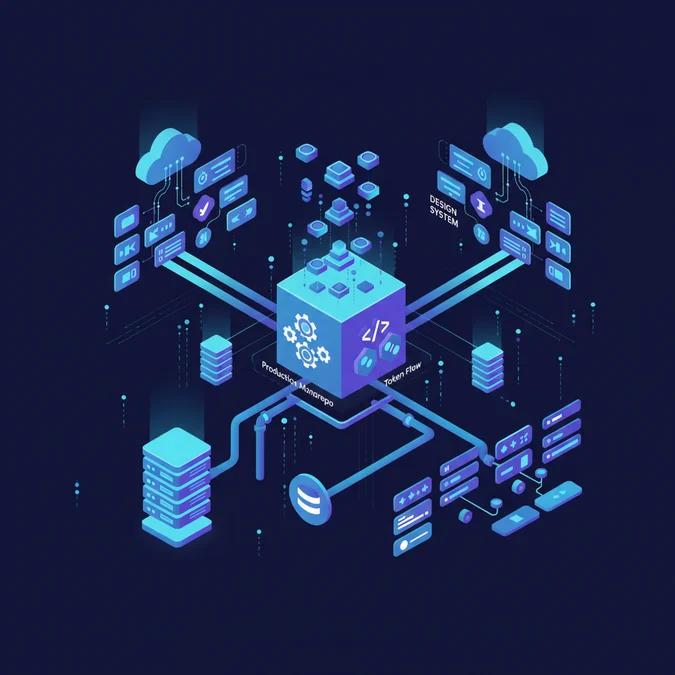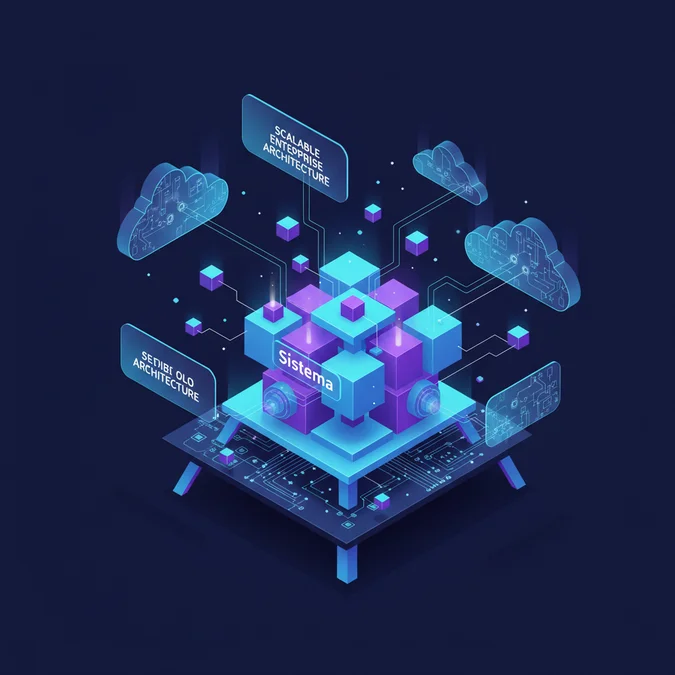

Engineering teams frequently reach a breaking point where tribal knowledge fails to scale. When design documentation relies on static Wikis or disconnected PDF exports, the gap between the intended UI architecture and the actual production implementation grows exponentially. This state of decay is not a failure of process, but a failure of infrastructure.
By 2026, the industry standard has shifted toward living documentation, where the architecture itself informs the documentation. This transition replaces manual audits with automated pipelines, ensuring that your component library, design tokens, and API schemas remain in perfect lockstep with your codebase.
The Anatomy of Modern Design Documentation
Modern design documentation must function as an extension of the codebase rather than a separate artifact. To achieve this, you must treat documentation as a product with its own versioning, lifecycle, and testing requirements.
Core Principle: If the documentation is not updated by the CI/CD pipeline, it is already obsolete.
A robust documentation framework requires the following pillars:
- Token-First Architecture: Design tokens must be the single source of truth for color, spacing, and typography.
- Automated Schema Extraction: Use JSDoc, TypeScript interfaces, or OpenAPI definitions to generate property tables automatically.
- Live Component Playgrounds: Embed interactive examples that run the same code as your production application.
Evaluating Design Documentation Software and Tooling Ecosystems
Selecting the right design documentation software depends on your team’s commitment to a docs-as-code workflow. The following matrix evaluates current market leaders based on their ability to handle automated synchronization.
| Tool | Integration Depth | Token Sync | Live Preview |
|---|---|---|---|
| Storybook | High | Native | Yes |
| Zeroheight | Medium | Plugin-based | Via Embed |
| Confluence | Low | Manual | No |
| Notion | Low | Manual | No |
For engineering-heavy organizations, Storybook remains the gold standard because it effectively treats UI components as first-class citizens within the development workflow.
Implementing Living Documentation via CI/CD Pipelines
To eliminate manual updates, link your documentation build process to your existing CI/CD pipeline. When a pull request merges, the documentation site should trigger a rebuild to capture the latest version of your design tokens.
# Example: GitHub Actions workflow snippet for documentation deployment
name: Deploy Docs
on: [push]
jobs:
 build-and-deploy:
 runs-on: ubuntu-latest
 steps:
 - uses: actions/checkout@v4
 - name: Sync Design Tokens
 run: npm run sync-tokens
 - name: Build Documentation
 run: npm run build-storybook
 - name: Deploy to Cloud
 run:/deploy-script.sh
This ensures that every commit to the main branch is reflected in your technical documentation, preventing the drift common in manual setups.
Managing Documentation Debt and Lifecycle Governance
Documentation rot is a preventable condition. By implementing a governance model, you can treat documentation debt with the same rigor as technical debt. Use a quarterly audit cycle to prune unused components and update deprecated patterns.
Maintenance Checklist:
- Monthly: Audit token references for orphan styles.
- Quarterly: Review component usage statistics to identify deprecated patterns.
- Bi-annually: Update automated dependency graphs for system architecture.
Frequently Asked Questions
What is the primary role of design documentation in 2026?
Design documentation acts as the definitive source of truth for architectural intent and UI patterns. In 2026, it is no longer static text but a living system that synchronizes design tokens and code definitions directly through CI/CD pipelines to ensure constant alignment with product development.
How do I choose the right design documentation software for my team?
Selecting design documentation software requires evaluating three factors: integration capabilities with your existing VCS, support for live code execution, and the ability to automate updates from design tokens. Teams should prioritize tools that treat documentation as code to minimize manual maintenance and prevent information decay.
Architecting for scale requires moving away from manual content creation toward automated documentation systems. By treating documentation as code, you eliminate the friction of maintenance and ensure your team has a source of truth that is as reliable as the application itself.
Start by identifying your most volatile design patterns and automating their documentation first. Incremental migration is the most effective path to a fully synchronized system.