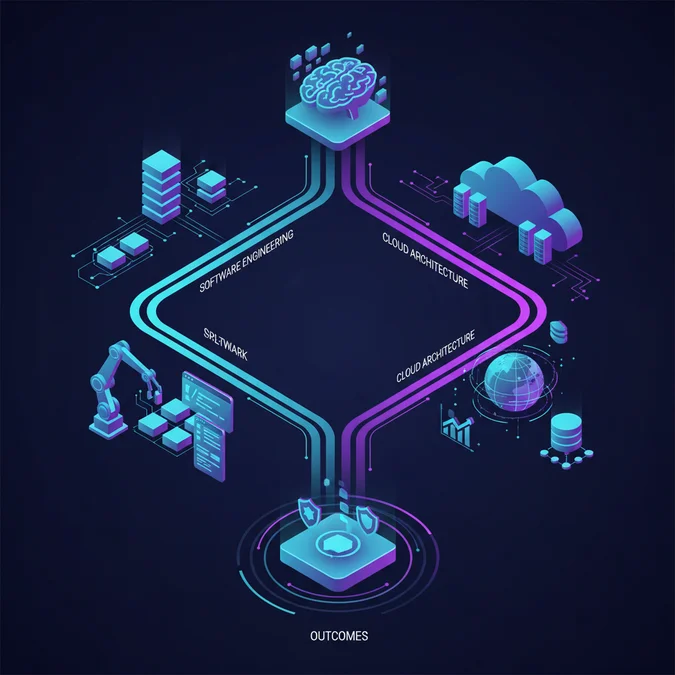

A computer science degree provides a robust theoretical and practical foundation, equipping graduates with critical problem-solving skills, algorithmic thinking, and deep understanding of computational principles essential for diverse and demanding software engineering roles. This foundational knowledge is highly valued across the industry, enabling engineers to design, build, and maintain complex software systems effectively.
Choosing the right educational path is a pivotal decision for aspiring software engineers. While many paths lead to a successful career in software development, a computer science degree remains a highly respected and frequently chosen route. This article dissects how a computer science curriculum directly translates into software engineering competencies, offering a strategic comparison with dedicated software engineering programs and actionable advice to optimize your academic journey.
We will explore the core concepts that bridge computer science and software engineering, detail the specific knowledge areas critical for industry success, and provide comprehensive guidance on program evaluation and career trajectory for graduates.
The Foundation: Intersecting Computer Science and Software Engineering
The relationship between computer science software engineering is symbiotic and fundamental. Computer science provides the theoretical bedrock, the deep understanding of computation, algorithms, data structures, and the mathematical principles that govern information processing. Software engineering, conversely, is the disciplined application of engineering principles to the design, development, operation, and maintenance of software. It focuses on the practical methodologies, tools, and processes required to build reliable, efficient, and scalable software systems.
Without a strong grasp of computer science fundamentals, software engineering often devolves into mere coding, lacking the rigor to tackle complex problems or innovate effectively. For instance, understanding algorithm complexity (Big O notation) from computer science is crucial for an engineer designing a high-performance search algorithm. Similarly, knowledge of operating systems from a computer science curriculum informs how software interacts with hardware resources, preventing bottlenecks and ensuring stability. This intersection ensures that software is not just functional, but also robust, secure, and performant, addressing both the ‘what’ and the ‘how’ of software creation.
The theoretical insights gained from computer science empower software engineers to make informed architectural decisions, debug intricate issues, and adapt to rapidly evolving technologies, making the two disciplines inextricably linked for professional practice.
Core Curriculum: What a Computer Science Degree Delivers for Software Engineering
A typical computer science degree for software engineering provides an intensive curriculum designed to cultivate analytical thinking and problem-solving skills, which are paramount in any software development role. Key areas of study directly applicable to software engineering include:
- Data Structures and Algorithms: Understanding and implementing efficient data structures (e.g., arrays, linked lists, trees, graphs, hash tables) and algorithms (e.g., sorting, searching, dynamic programming) is critical for writing performant and scalable code. This forms the backbone of optimizing software performance.
- Operating Systems: Knowledge of how operating systems manage processes, memory, and I/O helps engineers write efficient and robust applications that interact effectively with underlying hardware and system resources.
- Networking: A grasp of network protocols (TCP/IP, HTTP) and architectures is indispensable for developing distributed systems, web applications, and cloud-native software.
- Database Systems: Learning about relational and NoSQL databases, query languages (SQL), and database design principles is essential for managing and manipulating data, a core component of almost all modern software.
- Programming Paradigms and Languages: Exposure to various programming languages (e.g., Python, Java, C++, JavaScript) and paradigms (object-oriented, functional, imperative) fosters adaptability and broadens an engineer’s toolkit.
- Discrete Mathematics: This foundational course builds logical reasoning skills, crucial for algorithm design, formal verification, and understanding computational limits.
- Software Engineering Principles: Many modern computer science programs include courses on software development methodologies, version control, testing, and project management, bridging the gap between theory and practice.
These subjects collectively equip graduates with the intellectual tools to approach software challenges systematically, from low-level system programming to high-level application development.
Computer Science vs. Software Engineering Degrees: A Strategic Comparison
When considering a career in software, prospective students often weigh a computer and software engineering degree. While both lead to software development roles, their emphasis and curriculum structures differ. Understanding these distinctions is crucial for making an informed choice that aligns with individual career aspirations and learning styles.
| Feature | Computer Science (CS) Degree | Software Engineering (SE) Degree |
|---|---|---|
| Primary Focus | Theoretical foundations of computation, algorithms, data structures, mathematics, and logic. Deep understanding of ‘why’ things work. | Practical application of engineering principles to design, develop, test, deploy, and maintain software systems. Focus on ‘how’ to build robust software. |
| Curriculum Emphasis | Strong in discrete math, algorithms, theoretical computer science, operating systems, compilers, AI, machine learning. Less emphasis on project management. | Strong in software design patterns, project management, quality assurance, testing, requirements gathering, system architecture, team collaboration. |
| Problem-Solving Approach | Analytical, abstract, focused on optimizing algorithms and understanding computational complexity. | Systematic, process-oriented, focused on building reliable, maintainable, and scalable software solutions within constraints. |
| Typical Career Outcomes | Software Engineer (generalist/specialist), Research Scientist, Data Scientist, Machine Learning Engineer, Systems Architect. | Software Engineer, Quality Assurance Engineer, DevOps Engineer, Project Manager, Solutions Architect, Systems Analyst. |
| Strengths for SE Role | Exceptional problem-solving, deep algorithmic understanding, adaptability to new technologies, strong theoretical base for innovative solutions. | Proficiency in software development lifecycle, practical project experience, emphasis on team dynamics and industry best practices. |
| Overlap | Both degrees typically cover core programming, data structures, and basic software development. | Both degrees prepare graduates for entry-level software development positions. |
For individuals drawn to the foundational aspects of computing and seeking flexibility for roles in research, advanced algorithms, or machine learning, a computer science degree often provides a broader base. Conversely, those eager for immediate practical application, team-based project work, and a focus on the entire software development lifecycle may find a software engineering degree more directly aligned with their interests.
Optimizing Your Computer Science Degree for Software Engineering Success
While a computer science degree for software engineering provides an excellent foundation, proactive steps are essential to maximize its utility for a successful career. Merely completing coursework is insufficient; strategic engagement outside the classroom is critical.
Checklist for Optimization:
- Secure Multiple Internships: Aim for at least two to three internships with different companies or in varied domains (e.g., backend, frontend, mobile). Internships provide invaluable real-world experience, build your professional network, and often lead to full-time offers.
- Build a Strong Portfolio: Develop personal projects that showcase your skills and interests. This could include open-source contributions, a full-stack web application, a mobile app, or a machine learning project. Focus on quality, clean code, and documenting your process.
- Specialize with Electives: Choose elective courses that align with your desired software engineering specialization, such as advanced algorithms, distributed systems, cybersecurity, machine learning, or web development frameworks.
- Participate in Coding Competitions and Hackathons: These events hone your problem-solving skills under pressure, expose you to new technologies, and are excellent resume builders.
- Master Version Control (Git): Proficiency in Git is non-negotiable in professional software development. Use it consistently for all your projects.
- Practice Interview Skills: Regularly practice technical interview questions, especially those related to data structures and algorithms (e.g., LeetCode, HackerRank). Also, prepare for behavioral questions and system design interviews.
- Network Actively: Attend tech meetups, career fairs, and industry conferences. Connect with professionals on LinkedIn and seek mentorship opportunities.
- Contribute to Open Source: Find an open-source project that interests you and contribute. This demonstrates collaboration skills and practical coding ability to potential employers.
By actively pursuing these strategies, a computer science graduate significantly enhances their readiness and attractiveness to top-tier software engineering roles.
Career Paths and Industry Expectations for Computer Science Software Engineering Graduates
Graduates with a strong background in computer science software engineering are highly sought after across a vast spectrum of industries, from tech giants to innovative startups. The analytical and foundational skills acquired through a CS degree prepare individuals for diverse and challenging roles.
Industry expects computer science graduates to possess not only strong coding abilities but also a deep understanding of underlying computational principles. This includes efficient algorithm design, robust system architecture, and the capacity to learn and adapt to new paradigms quickly. Employers value problem-solvers who can translate complex requirements into scalable, maintainable software solutions.
Common career paths for computer science graduates entering software engineering include:
- Backend Engineer: Developing server-side logic, databases, APIs, and business processes. Requires strong knowledge of data structures, algorithms, and distributed systems.
- Frontend Engineer: Building user interfaces and ensuring a seamless user experience. Often involves expertise in web technologies (HTML, CSS, JavaScript, frameworks like React/Angular/Vue) and UI/UX principles.
- Full-Stack Engineer: Possessing skills in both frontend and backend development, enabling them to work across the entire application stack.
- DevOps Engineer: Focusing on automating software delivery, infrastructure management, and system reliability. Requires understanding of operating systems, networking, cloud platforms, and scripting.
- Machine Learning Engineer: Designing, building, and deploying machine learning models and systems. Demands strong mathematical foundations, statistical analysis, and programming skills.
- Embedded Systems Engineer: Developing software for specialized hardware, often found in IoT devices, automotive systems, or consumer electronics. Requires low-level programming expertise and understanding of hardware-software interaction.
- Cloud Engineer: Specializing in designing, deploying, and managing applications and infrastructure on cloud platforms (AWS, Azure, Google Cloud).
The versatility of a computer science degree allows graduates to pivot between these roles or specialize deeply, depending on their interests and industry demand.
Evaluating Programs: A Checklist for Aspiring Computer and Software Engineering Professionals
Choosing the right program is a critical step for aspiring computer and software engineering professionals. A thorough evaluation ensures the educational institution aligns with your career goals and provides the necessary resources for success. This checklist helps assess potential universities and degree programs.
Program Evaluation Checklist:
- Curriculum Depth and Breadth:
- Does the curriculum cover core CS fundamentals comprehensively (algorithms, data structures, operating systems, databases, networking)?
- Are there elective options for specialized software engineering tracks (e.g., AI/ML, cybersecurity, web development, distributed systems)?
- Is there a strong emphasis on practical project work and team-based development?
- Faculty Expertise and Research:
- Do faculty members have industry experience or active research in areas relevant to software engineering?
- Are there opportunities to engage in undergraduate research projects?
- Industry Connections and Career Services:
- Does the university have strong ties with tech companies for internships and job placements?
- What is the success rate of graduates in securing software engineering roles?
- Are there robust career services offering interview preparation, resume reviews, and networking events?
- Accreditation and Reputation:
- Is the program accredited by a recognized engineering or computing body (e.g., ABET in the US)?
- What is the overall reputation of the department and university in the tech industry?
- Resources and Facilities:
- Are there well-equipped computer labs, specialized research facilities, and access to necessary software tools?
- Are there active student organizations (e.g., ACM, IEEE chapters, coding clubs) that foster community and skill development?
- Alumni Network:
- Is there an active and supportive alumni network that can provide mentorship and career opportunities?
- Location and Cost:
- Does the university’s location offer proximity to tech hubs and internship opportunities?
- Is the tuition and overall cost of attendance justifiable given the program’s quality and your financial situation?
By systematically evaluating these factors, prospective students can select a program that best prepares them for the rigors and rewards of a software engineering career.
Frequently Asked Questions
Is a computer science degree essential for a software engineering career?
A computer science degree provides a strong theoretical foundation in algorithms, data structures, and system design, which are highly beneficial for software engineering. While not always strictly essential, it significantly enhances problem-solving skills and opens doors to diverse roles in the field, making it a preferred pathway for many.
What are the key differences between computer science and software engineering degrees?
Computer science focuses on the theoretical underpinnings of computation, algorithms, and data structures, exploring the ‘why’ behind technology. Software engineering degrees emphasize the practical application of engineering principles to design, develop, and maintain software systems, often including project management and team collaboration aspects, focusing on the ‘how’.
How does a computer science degree prepare you for software engineering roles?
A computer science degree equips individuals with critical thinking, problem-solving, and analytical skills. It covers core areas like programming languages, operating systems, networking, and discrete mathematics, all fundamental to building robust and efficient software solutions. This broad technical base is highly valued in various engineering domains.
A computer science degree serves as a powerful launching pad for a career in software engineering, providing the essential theoretical understanding and problem-solving methodologies required to excel. While distinct from a dedicated software engineering degree, its foundational strength in algorithms, data structures, and system design equips graduates with unparalleled adaptability and depth of knowledge.
By strategically optimizing their academic journey through internships, personal projects, and targeted electives, computer science graduates can carve out highly successful and impactful careers across the diverse landscape of software development. The choice of program and subsequent proactive engagement are the cornerstones of transforming a robust academic foundation into a thriving professional trajectory.
NR Studio builds custom web apps, mobile apps, SaaS platforms, and internal tools for growing businesses. If you’re working through a technical decision, feel free to reach out — no commitment required.