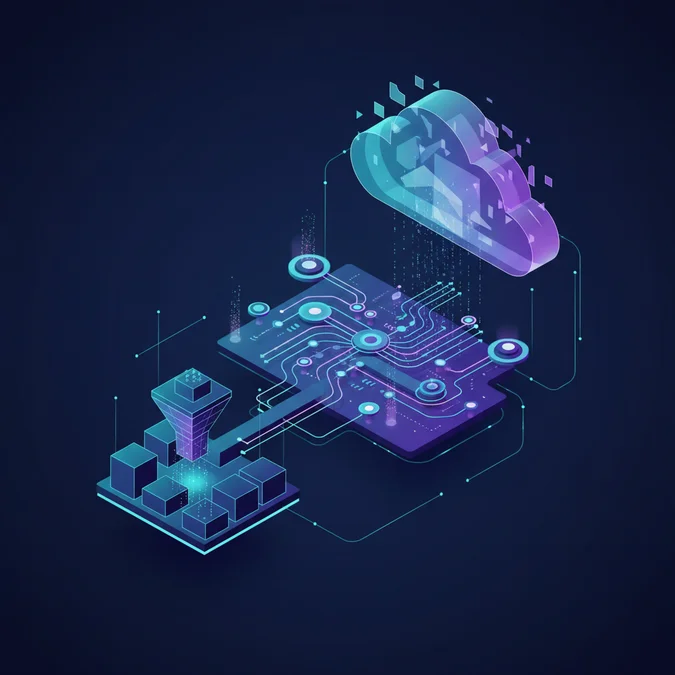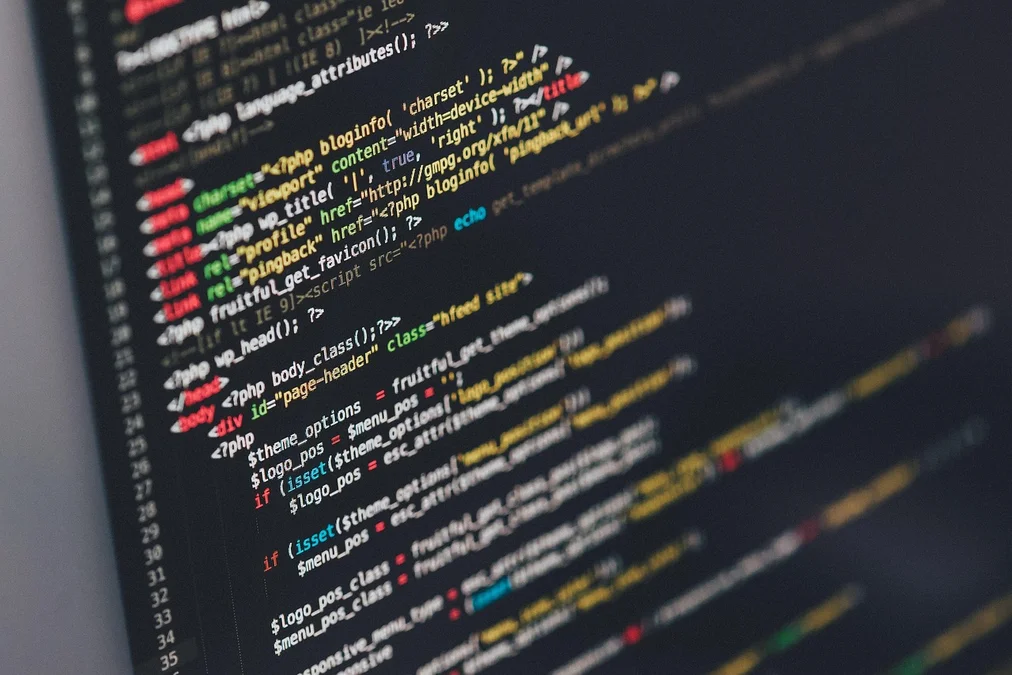

In 2026, the client experience journey is no longer a static marketing map. It is a high-fidelity telemetry pipeline. When friction occurs, it is rarely a failure of messaging, but rather a failure of technical orchestration between product state and user intent. Engineering teams must treat the user path as a state machine, where every interaction emits an event that dictates the subsequent delivery of value.
This guide moves beyond theoretical journey mapping. We focus on the implementation of event-driven architectures that capture, process, and act upon user data to bridge the gap between acquisition and long-term retention. By instrumenting your stack to recognize behavioral signals, you transform passive users into power users through automated, context-aware interventions.
Foundations of the Client Experience Journey Architecture
Architecting a robust client experience journey requires moving away from siloed spreadsheets and toward a unified event schema. The architecture must account for identity resolution across disparate platforms, ensuring that a user’s action in your product is linked to their session activity in your CRM or support portal.
Engineering Callout: Never rely on client-side cookies for journey tracking. Implement server-side event tracking to ensure data integrity across cross-domain sessions and mitigate the impact of browser-based privacy restrictions.
The foundation rests on three pillars: data ingestion, state management, and orchestration. By standardizing your event naming conventions, you allow downstream analytics tools to build accurate pathing models without requiring constant data cleaning.
Mapping the Customer Journey Lifecycle via Telemetry
The customer journey lifecycle is defined by the transition between distinct states, such as ‘Trial,’ ‘Active Adoption,’ ‘Power User,’ and ‘At Risk.’ Tracking these transitions requires a telemetry layer that triggers webhooks when a user crosses a predefined behavioral threshold.
| Lifecycle Stage | Trigger Event | Latency Goal |
|---|---|---|
| Trial | Signup/Email Verified | < 50ms |
| Active Adoption | First Feature Interaction | < 100ms |
| At Risk | Inactive for 14 days | < 500ms |
// Example: State Transition Logic
async function trackLifecycleTransition(userId, eventType) {
 try {
 const state = await determineCurrentState(userId);
 if (state === 'At Risk' && eventType === 'login') {
 await triggerRetentionWorkflow(userId);
 }
 await logEventToWarehouse(userId, eventType);
 } catch (err) {
 console.error('Telemetry ingestion failed:', err);
 }
}
Optimizing Post Sale Customer Journey Analytics
Most teams over-index on acquisition and ignore the post sale customer journey. Retention is a technical problem solved by identifying ‘time-to-value’ bottlenecks. Use the following checklist to audit your current post-sale technical stack.
- Event Schema Audit: Do all product events include a unique customer identifier?
- Sync Latency: Is the delay between product event and CRM update under 60 seconds?
- Trigger Validation: Are automated email/in-app messages tied to specific feature usage events rather than time-based intervals?
// Log usage for retention analytics
const recordFeatureUsage = (userId, featureId) => {
 const payload = { userId, featureId, timestamp: Date.now() };
 // Push to high-throughput queue (e.g. Kafka or SQS)
 return queueService.publish('usage_events', payload);
};
Engineering Customer Journey Content Delivery Systems
Serving relevant customer journey content requires a dynamic delivery engine. You must decouple your content repository from your product interface, allowing the application to pull documentation, video tutorials, or in-app guidance based on the user’s current ‘state’ variable.
| User State | Content Priority | Delivery Channel |
|---|---|---|
| Onboarding | Getting Started Guides | In-App Modal |
| Feature Gap | Advanced API Docs | Email/Slack |
| Renewal | Case Studies/ROI Data | Customer Success UI |
By treating content as an API-driven resource, you ensure that as the product evolves, the guidance provided to the user remains accurate, reducing the overhead of manual content maintenance.
Frequently Asked Questions
What is the primary difference between a standard client experience journey and a lifecycle approach?
A client experience journey focuses on isolated touchpoints and sentiment, whereas a customer journey lifecycle treats the user interaction as a continuous, state-based data stream. This allows engineering teams to programmatically trigger interventions based on specific product usage telemetry rather than static, time-based marketing assumptions.
How do you integrate content strategy into the post sale customer journey?
Integrate content by mapping specific product events to high-value documentation or onboarding resources. For the post sale customer journey, content should be delivered dynamically via your application based on feature adoption gaps, ensuring the user receives technical assistance exactly when their product usage patterns indicate a need.
The architecture of a scalable client experience journey relies on the seamless integration of telemetry and orchestration. By moving beyond static mapping to an event-driven lifecycle approach, engineering teams can proactively address friction points, thereby increasing long-term retention.
Review your event streams today. Are your triggers based on meaningful behavioral milestones or arbitrary time-based loops? Aligning your technical stack with the user’s actual product journey is the most effective way to drive consistent, data-backed growth.