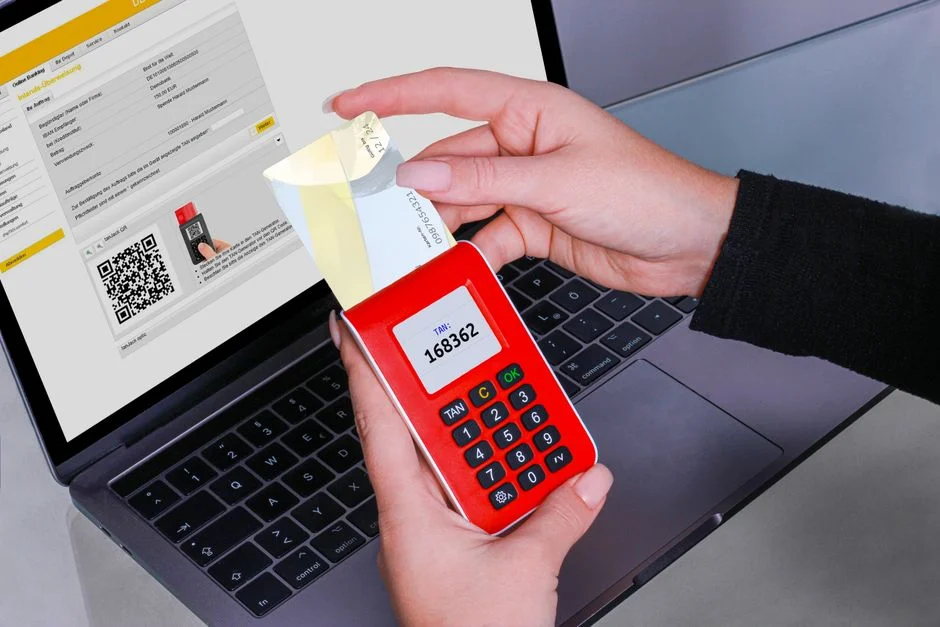

In the high-stakes environment of modern fintech, the authentication layer is not merely a gatekeeper; it is the primary defense against account takeover (ATO) attacks. As banking applications scale, the latency introduced by synchronous authentication checks often creates a significant bottleneck, particularly during peak transaction windows. When thousands of concurrent users attempt to access sensitive financial data simultaneously, the round-trip time for multi-factor authentication (MFA) verification can degrade the entire system’s responsiveness.
Designing an MFA architecture that balances uncompromising security with the performance requirements of a high-frequency banking platform requires moving beyond simple SMS-based verification. This article explores the architectural patterns necessary to implement hardened MFA, focusing on cryptographic standards, session management, and the integration of out-of-band verification workflows within a distributed microservices environment.
Threat Modeling and Attack Vectors
Before writing a single line of code, you must define the threat landscape. Banking applications are primary targets for credential stuffing, SIM swapping, and man-in-the-middle (MITM) attacks. Standard authentication flows are often insufficient because they assume the client device is inherently trusted.
- Credential Stuffing: Automated bots testing leaked credentials from other breaches.
- SIM Swapping: Interception of SMS-based OTPs, making legacy MFA insecure.
- Session Hijacking: Theft of session cookies bypassing authentication tokens.
Your architecture must treat the client environment as compromised by default. This necessitates the use of hardware-backed security modules (HSMs) and FIDO2/WebAuthn protocols to ensure that the private key used for authentication never leaves the secure enclave of the user’s device.
Implementing FIDO2 and WebAuthn Standards
The W3C WebAuthn standard is the gold standard for banking security. Unlike traditional passwords or SMS, WebAuthn relies on public-key cryptography. During registration, the banking app generates a key pair; the public key is sent to your server, while the private key remains on the user’s device, protected by biometric hardware (TouchID, FaceID, or TPMs).
// Simplified WebAuthn ceremony flow
async function authenticateUser() {
  const assertion = await navigator.credentials.get({
    publicKey: {
      challenge: new Uint8Array([...]),
      allowCredentials: [{ id: credentialId, type: 'public-key' }],
      userVerification: 'required'
    }
  });
  // Send assertion to server for cryptographic validation
}
By enforcing userVerification: 'required', you ensure the user must physically interact with the device to authorize the authentication ceremony, effectively mitigating remote automated attacks.
Microservices Authentication Orchestration
In a microservices architecture, authenticating at the API Gateway is insufficient for high-security banking operations. You must implement a distributed authentication service that issues scoped JSON Web Tokens (JWTs). These tokens should contain claims that represent the authentication strength achieved.
| Claim | Value | Meaning |
|---|---|---|
| amr | mfa, fido | Auth method reference: MFA via FIDO |
| acr | urn:banking:high | Auth context class: Transaction signing enabled |
Each downstream service must validate these claims. If a user attempts to perform a high-value transfer, the Transfer Service must inspect the acr claim; if the claim indicates only single-factor authentication, the service must trigger a re-authentication flow.
Handling Out-of-Band Verification Flows
For critical actions like wire transfers, relying solely on the primary session is a risk. Implement out-of-band (OOB) verification using push notifications with cryptographic signing. When a transfer is initiated, the banking server sends a payload to the user’s registered device via a secure channel (e.g., Firebase Cloud Messaging with payload encryption).
The user’s mobile app then signs this payload using the private key stored in the device’s secure enclave. The server verifies the signature against the stored public key. This ensures that even if the web session is hijacked, the attacker cannot approve a transaction without the physical device.
Securing the Authentication Backend
The backend responsible for MFA must be isolated. Use a dedicated authentication microservice that does not share a database with the core banking ledger. This limits the blast radius of a potential SQL injection or data breach.
Ensure that all MFA state transitions are logged to an immutable audit trail. Use a write-only log aggregator (e.g., Elasticsearch or Splunk) and enforce cryptographic hashing on log entries to prevent tampering by malicious insiders.
Managing Session Lifecycle and Revocation
Sessions in banking apps must be short-lived. Implement sliding expiration, but enforce a hard session timeout regardless of activity. When a user logs out or the session expires, the server must invalidate the token in a distributed cache like Redis.
To handle immediate revocation, use a blocklist pattern. When a user reports a lost device, the authentication service pushes the device’s unique identifier (JTI) to a global blocklist, which all microservices check before processing any request.
Database Hardening for Credential Metadata
Never store raw credentials or recovery codes. When storing public keys for WebAuthn, use a database with transparent data encryption (TDE) at rest. Further, implement application-level encryption for specific fields using a Key Management Service (KMS).
Rotate your master encryption keys (MEK) annually. The authentication database should use strict Role-Based Access Control (RBAC), ensuring that the application service account has only SELECT and INSERT permissions, with no ability to DROP or ALTER tables.
Rate Limiting and Anomaly Detection
Apply aggressive rate limiting on the /auth and /verify endpoints. Use a token bucket algorithm to prevent brute-force attacks on MFA codes. Furthermore, integrate a behavioral analytics engine to detect anomalies, such as:
- Sudden changes in geographic location (impossible travel).
- Login attempts from known TOR exit nodes or VPNs.
- Unusual device fingerprinting patterns.
If an anomaly is detected, the system should escalate the authentication requirement, forcing a step-up challenge even if the primary MFA was successful.
Handling MFA Recovery and Account Recovery
Account recovery is the weakest link in any MFA strategy. Avoid email-based password resets, which are susceptible to account takeover. Instead, implement a multi-step verification process that requires identity proofing, such as uploading government IDs or verifying through video calls.
For MFA device loss, provide pre-generated, one-time use recovery codes that are encrypted and stored offline. Instruct users to store these in a physical safe, not in a digital document.
Monitoring and Incident Response
Your monitoring system must alert on failed authentication spikes. A 5% increase in failed MFA attempts within a 10-minute window should automatically trigger a temporary lock on the affected user accounts and notify the security operations center (SOC).
Include telemetry in your logs to track the performance of the MFA service. If latency exceeds 200ms, investigate potential bottlenecks in the HSM or the database backend immediately to ensure the user experience does not suffer.
Compliance and Audit Readiness
Financial institutions are subject to rigorous standards such as PCI DSS and PSD2 (Strong Customer Authentication). Ensure that your MFA implementation fulfills the “two out of three” factor requirement: something you know (password), something you have (hardware token/phone), and something you are (biometrics).
Maintain comprehensive documentation of your authentication flows for auditors. Every change to the authentication pipeline must pass through a formal change management process, including a peer review by a senior security engineer.
Frequently Asked Questions
Is SMS-based MFA safe for banking applications?
No, SMS-based MFA is no longer considered secure for banking due to vulnerabilities like SIM swapping and SS7 interception. Modern banking standards require app-based push notifications or hardware-backed WebAuthn.
How do you minimize MFA latency in a high-traffic app?
Use asynchronous verification flows where possible and keep the authentication service within the same cloud region as the API gateway. Implement Redis-based caching for session validation to reduce database round-trips.
What is step-up authentication?
Step-up authentication is the practice of requesting additional verification only when a user attempts a high-risk action, such as a large wire transfer, even if they have already authenticated into the session.
Building MFA into a banking architecture is a continuous engineering process, not a one-time deployment. By prioritizing cryptographic standards like FIDO2, isolating authentication services, and implementing real-time anomaly detection, you significantly reduce the risk of account takeovers. The goal is to create a frictionless experience for the legitimate user while creating an insurmountable barrier for attackers.
Security is never finished; it is a cycle of hardening, monitoring, and adapting to new threat vectors. As your banking app scales, revisit these architectural decisions to ensure they remain resilient against evolving cyber threats.
NR Tech Studio builds custom web apps, mobile apps, SaaS platforms, and internal tools for growing businesses. If you’re working through a technical decision, feel free to reach out — no commitment required.