
The shift toward using generative models for UI construction has moved past the experimental phase. Engineering teams now face the challenge of integrating these systems into stable, high-scale production environments without sacrificing maintainability or security. Building frontend interfaces today is no longer just about writing code, but about orchestrating agentic workflows that transform design intent into verified, performant components.
This article moves beyond simple prompt engineering to provide a technical blueprint for teams looking to implement AI-driven frontend workflows. We examine the architectural trade-offs, security considerations, and integration patterns required to maintain enterprise-grade standards while utilizing the speed of AI-assisted development.
Architecting the Modern Build Frontend With AI Workflow
Transitioning to an AI-assisted workflow requires a fundamental change in how we perceive the development lifecycle. When you build frontend with ai, you are essentially defining a pipeline that treats model output as a draft that must undergo rigorous validation. The goal is to move from manual coding to a model where AI handles the repetitive boilerplate, while engineers focus on complex business logic and architectural integrity.
Architectural Note: The most effective AI frontend workflows operate as a feedback loop. The AI acts as the producer, and the CI/CD pipeline acts as the strict validator.
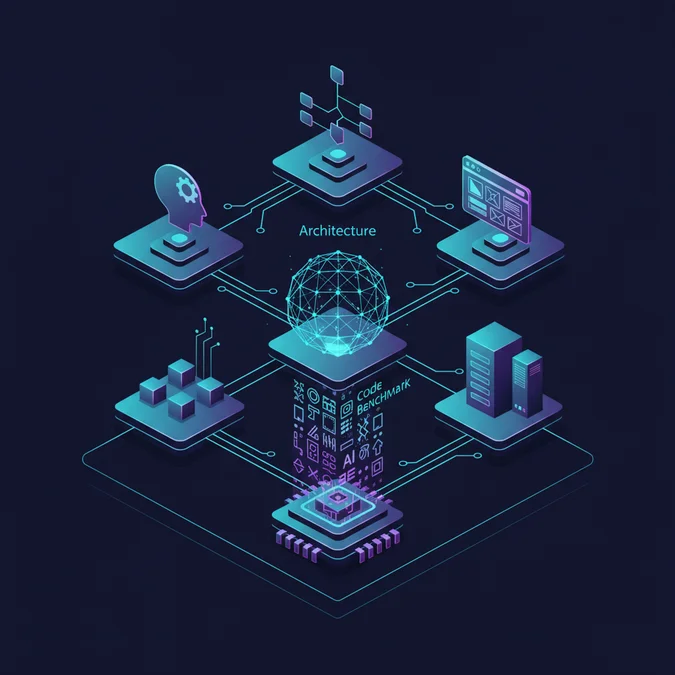
[Design System] -> [AI Frontend Agent] -> [Linting/Security Scan] -> [Human Review] -> [Production]By treating the ai frontend output as an untrusted dependency, you can safely integrate these tools into your existing monorepo or micro-frontend architecture without risking the stability of your production environment.
Evaluating the Best AI Frontend Generator Engines
Selecting the best ai frontend generator requires balancing output predictability with framework compatibility. Not all generators are equal; some focus on visual prototyping, while others specialize in generating clean, semantic React or Vue code that integrates directly with existing design systems.
| Generator | Framework Support | Output Quality | Security/Compliance |
|---|---|---|---|
| Agentic-UI v2 | React, Next.js | High | Enterprise-Ready |
| FlowGenerator | Vue, Svelte | Medium | Beta |
| Custom-LLM Wrappers | Framework Agnostic | Variable | Configurable |
The ideal ai frontend generator should support your internal component library, allowing the model to generate code using your existing design tokens rather than generic CSS classes that introduce technical debt.
Essential AI Tools for Frontend Development in 2026
Modern ai tools for frontend development have evolved into integrated environments that handle more than just component generation. They provide context-aware suggestions, state management boilerplate, and even automated accessibility testing.
- Component Orchestrators: Specialized tools that map Figma frames to your local component library.
- Automated Refactoring Agents: Tools that analyze existing code and suggest performance optimizations.
- Test Generators: AI agents that automatically write Playwright or Jest tests based on the generated UI components.
When adopting frontend ai tools, ensure they provide API support so you can integrate them into your existing build pipeline, rather than relying on isolated web-based editors.
Implementation Blueprint: Bridging AI Code to Production
Integrating AI-generated code requires a systematic approach to sanitization. Follow these steps to ensure the output meets your quality standards.
- Define the Prompt Context: Provide the AI with your project’s specific coding standards and existing component documentation.
- Automated Linting: Pipe all generated code through a strict ESLint and Prettier configuration to normalize formatting.
- Static Analysis: Run security scanners to identify potential vulnerabilities in the generated markup.
- Human-in-the-Loop Review: Mandate a peer review for any AI-generated logic that interacts with sensitive API endpoints.
// Example: Sanitizing AI-generated component input

function sanitizeComponent(rawCode) {

 const linted = runEslint(rawCode);

 if (!linted.isValid) throw new Error('Security or linting violation detected');

 return injectDesignTokens(linted.code);

}
Managing Technical Debt and Security in AI-Driven Builds
AI models are prone to hallucinations, which in a frontend context, manifests as bloated, non-performant, or insecure code. To mitigate this, your build process must treat AI output as dynamic input that requires strict validation.
Production Warning: Never deploy AI-generated code directly to production without passing it through your automated CI/CD pipeline. The risk of injected vulnerabilities or broken accessibility patterns is high when human oversight is bypassed.
Security teams should implement a ‘Zero Trust’ policy toward AI-generated assets, ensuring that all components are scanned for common vulnerabilities and checked against accessibility standards before reaching the main branch.
Frequently Asked Questions
What is the most reliable way to build frontend with ai today?
The most reliable approach is using agentic tools that allow human-in-the-loop verification. By combining AI generators for boilerplate and component structure with strict manual code reviews and automated CI/CD security scanning, developers can maintain high quality standards while accelerating the overall frontend development lifecycle.
How do I choose the best ai frontend generator for my team?
Select an ai frontend generator based on framework support, integration with your existing design system, and the ability to output clean, maintainable code rather than bloated markup. Priority should be given to tools offering API access for custom pipeline integration and enterprise security compliance features.
Are ai tools for frontend development safe for production?
Yes, but they require robust validation layers. When using ai tools for frontend development, treat all output as untrusted code. Implement mandatory linting, static analysis, and manual peer review processes to ensure that AI-generated components meet your organization’s security and performance benchmarks before deployment.
The integration of AI into frontend development is not a replacement for human engineering, but an evolution of the development workflow. By adopting an architectural approach that prioritizes validation, security, and integration, engineering teams can leverage AI to accelerate delivery while maintaining the rigorous standards expected in production environments.
As you scale your AI-assisted workflows, focus on building robust feedback loops and investing in internal tooling that allows your team to maintain full control over the generated code.